
Sustainable Construction: How Prefabrication Significantly Reduces Carbon Footprint and Waste
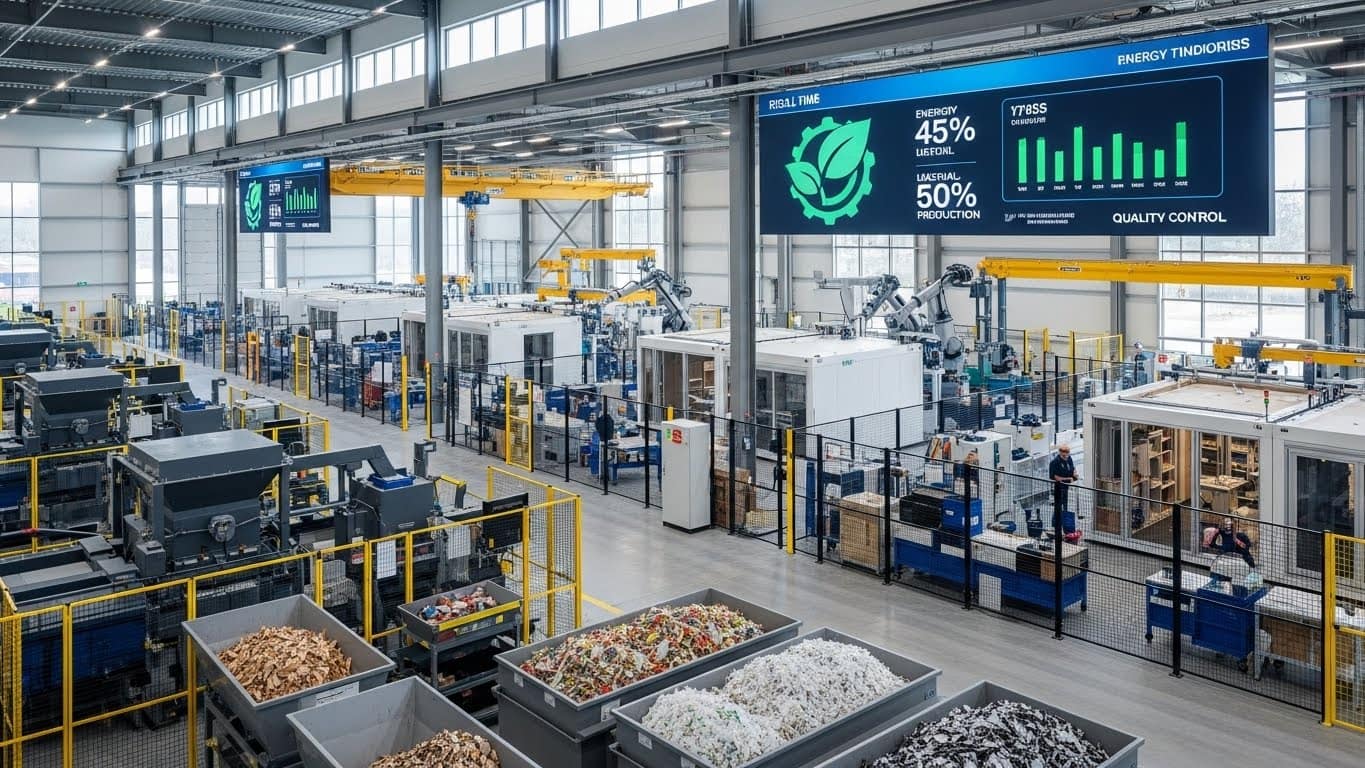
Sustainability has become one of the defining priorities of the global construction industry. As governments, developers, and operators establish ambitious net zero and circular economy targets, the environmental impact of traditional construction methods is increasingly scrutinized. Conventional, site based construction generates substantial material waste, produces high levels of carbon emissions through transportation and machinery use, and suffers from inconsistent quality that results in long term inefficiencies. Prefabrication, by contrast, introduces controlled industrial production, high material efficiency, digital traceability and optimized logistics, making it one of the most effective strategies for reducing the embodied and operational carbon footprint of the built environment.
Modern prefabrication systems extend far beyond early modular structures. Today’s off site manufacturing approach integrates advanced automation, DfMA (Design for Manufacture and Assembly), BIM driven planning, hybrid material systems and precision engineered components. These innovations collectively support dramatic reductions in waste, energy usage and lifetime environmental impact.
What Is Sustainable Prefabrication?
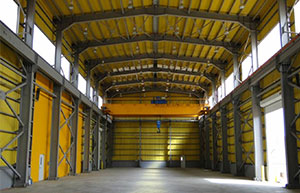
Sustainable prefabrication refers to the design and production of building components in factory environments where materials, energy consumption, assembly processes and logistics are optimized to minimize environmental load. In this model, structural frames, wall panels, bathroom pods, volumetric modules, technical containers, façade elements and mechanical assemblies are manufactured under controlled conditions that maximize efficiency and reduce waste.
Because prefabrication uses repeatable building platforms and standardized kits of parts, the environmental performance of each unit becomes highly predictable. Waste streams can be separated and recycled at near industrial recycling efficiency, while real time digital monitoring enables continuous improvement.
How Prefabrication Reduces Carbon Footprint
The carbon savings generated through prefabrication occur across every stage of the construction lifecycle, from material procurement to building operation.
Reduction in Embodied Carbon
Embodied carbon is associated with materials, manufacturing processes and transportation. Prefabrication reduces embodied carbon by:
• Lowering material overuse through precise CNC cutting and automated assembly
• Integrating lightweight, high performance steel and engineered timber systems
• Improving structural optimization with DfMA to reduce unnecessary mass
• Enabling low carbon material choices through consistent, testable factory processes
• Minimizing on site waste that would normally be landfilled
Prefabricated elements often achieve tighter tolerances and optimized structural profiles, lowering the overall volume of raw materials required.
Reduction in Transportation Emissions
Traditional construction requires continuous deliveries of materials, equipment and labour. Prefabrication reduces transport emissions by:
• Consolidating shipments into efficient module or panel loads
• Eliminating repeated deliveries of small materials and tools
• Reducing heavy machinery use on site
• Allowing construction teams to operate with smaller crews on remote sites
Flat pack and volumetric strategies both significantly reduce transportation frequency and associated carbon emissions.
Lower On Site Emissions
On site activities represent major sources of emissions and air quality concerns due to machinery, generators, curing processes and dust. Prefabrication minimizes these impacts by:
• Compressing schedule duration
• Reducing concrete works and wet trades
• Eliminating high energy curing processes at site
• Minimizing equipment idle time and noise pollution
Shorter project timelines translate directly to proportionally lower emissions.
Improved Operational Efficiency of the Finished Building
Sustainability does not end when the building is completed. Prefabrication improves long term environmental performance through:
• Superior airtightness and thermal continuity
• Higher quality insulation installation
• Reduced energy loss through precision joints and connections
• Factory installed, energy efficient HVAC and MEP systems
• Consistent building envelope performance
Operational carbon is often the largest emissions component over a building’s lifetime, meaning prefabrication’s precision yields significant long term savings.
How Prefabrication Reduces Waste
Traditional construction typically wastes 10 to 30 percent of materials on site due to breakage, offcuts, weather exposure, rework and inefficient handling. Prefabrication addresses these problems with industrial discipline.
Material Efficiency in Factories
Factory controlled processes allow:
• Accurate CNC cutting that minimizes offcuts
• Reuse of materials and scraps within production lines
• Closed loop recycling of metals, plastics and timber
• Lean manufacturing principles to eliminate inefficiencies
This level of material control is nearly impossible to achieve on open construction sites.
Reduced Rework and Defects
Rework is one of the largest sources of wasted materials, time and carbon. Prefabrication drastically reduces rework through:
• Digitally coordinated design eliminating clashes
• Factory quality assurance and testing
• Controlled environmental conditions
• Standardized assembly procedures
Fewer mistakes mean fewer materials discarded and fewer corrective operations.
Weather Protection
Weather is a major cause of damage and waste in traditional construction. Prefabricated components are produced indoors, avoiding:
• Moisture damage
• Warping and misalignment
• Freeze thaw effects
• Material degradation
The result is a cleaner, more controlled waste footprint.
Usage Areas Benefiting Most from Sustainable Prefabrication
Prefabrication offers environmental value across multiple sectors:
• Housing and residential developments
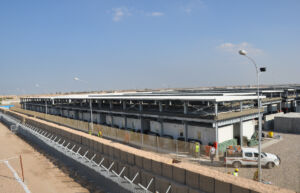
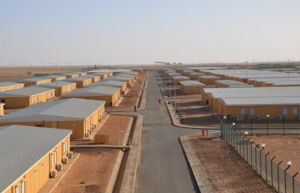
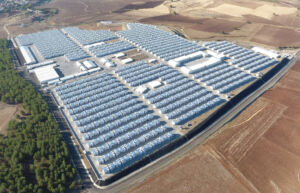
• Workforce camps and temporary cities
• Healthcare and emergency response facilities
• Educational buildings and public infrastructure
• Industrial and energy sector technical buildings
• Modular data centers and BESS enclosures
• Hospitality and mixed use buildings
Any project requiring speed, quality consistency or remote site deployment gains amplified sustainability benefits.
Dorçe’s Difference
Dorçe Prefabricated and Construction has integrated sustainable prefabrication principles across its entire operational model. With advanced modular manufacturing facilities, digital engineering workflows and strict environmental management systems, Dorçe ensures that every building component is produced with minimum waste and maximum energy efficiency.
Dorçe’s sustainability strengths include:
• High efficiency steel and panel production lines
• Industrial recycling of scrap metals, insulation and packaging
• BIM and DfMA driven optimization to reduce material usage
• Energy efficient production processes with controlled emissions
• Low carbon logistics planning for global shipping routes
• Modular systems engineered for long service life, reuse and redeployment
• Strong alignment with international sustainability standards and ESG frameworks
From large scale workforce cities to technical energy infrastructure, Dorçe’s prefabrication model delivers measurable reductions in carbon footprint and waste, enabling clients to meet both environmental and operational targets.
Prefabrication represents one of the most powerful tools available for sustainable construction today. By shifting from labour intensive, waste heavy site activities to precise industrial manufacturing, the construction industry can substantially reduce its environmental impact while improving building performance and accelerating delivery. As global demand for low carbon, circular and resilient infrastructure expands, prefabrication will continue to play a decisive role in shaping a sustainable future.