
72-Hour Deployment: Fast-Track Emergency Housing for Disaster Relief
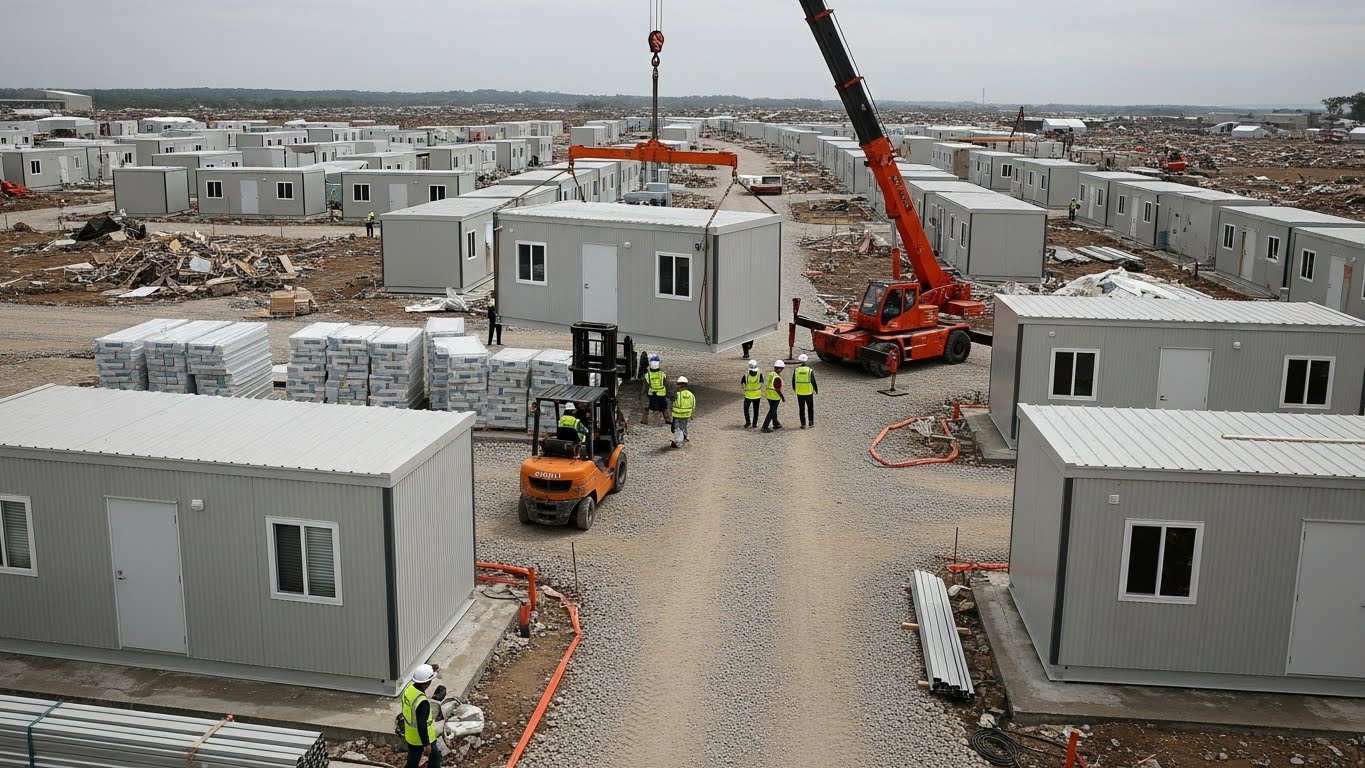
When disasters strike, the first seventy two hours are critical. Earthquakes, floods, storms, and conflicts can instantly displace thousands of people, leaving families exposed to weather, health risks, and insecurity. Fast track emergency housing designed for deployment within seventy two hours bridges the gap between immediate rescue operations and longer term recovery. By combining prefabricated modular systems with logistics driven planning, emergency housing can be delivered, installed, and occupied within days rather than weeks, providing protection, dignity, and stability at the most crucial moment.
Fast track emergency housing is not improvised shelter. It is an engineered response model where speed, reliability, and operational readiness are embedded into the design and delivery process. This approach allows humanitarian actors and authorities to act decisively when time has the highest value.
What Is 72-Hour Emergency Housing Deployment?
Seventy two hour emergency housing deployment refers to the rapid delivery and installation of prefabricated shelter systems that become operational within three days of arrival on site. These systems are manufactured in advance or produced on accelerated schedules, then transported using optimized logistics formats that allow immediate assembly with minimal site preparation.
The housing units are designed as plug ready solutions. Structural elements, insulation, doors, windows, and basic electrical provisions are integrated at the factory level. On site activities are limited to positioning, anchoring, and basic connections, allowing shelters to be occupied almost immediately. This model is particularly effective in disaster zones where infrastructure damage, workforce shortages, and safety risks limit conventional construction.
Advantages
- Fast track emergency housing offers several decisive advantages in disaster relief operations.
- Speed of protection is the primary benefit. Families receive enclosed, weather resistant shelter within days, reducing exposure to cold, heat, rain, and wind.
- Operational predictability is achieved through standardized systems. Units arrive ready for installation, minimizing uncertainty and delays during crisis response.
- Logistics efficiency enables high volume deployment. Flat pack and containerized formats maximize transport capacity and allow rapid movement through constrained routes.
- Quality and safety are ensured through factory controlled production. Consistent structural performance and insulation levels improve living conditions compared to improvised shelters.
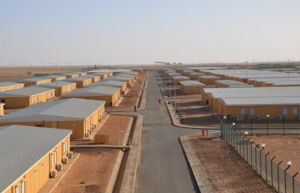
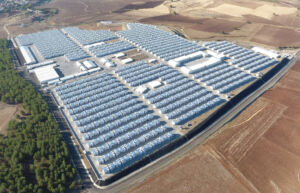
- Scalability allows emergency settlements to expand progressively. Initial shelter clusters can grow into organized camps as additional units and services arrive.
- Reduced on site labor lowers safety risks and accelerates deployment in unstable or hazardous environments.
Usage Areas
Seventy two hour emergency housing systems are used across a wide range of disaster scenarios.
- Earthquake and flood response housing
- Storm and cyclone emergency shelters
- Post fire temporary accommodation
- Conflict related displacement response
- Temporary housing for disaster relief workers
- Initial reception centers for displaced populations
These shelters can function independently or serve as the first phase of larger emergency settlements that later integrate sanitation, healthcare, and social facilities.
Dorçe’s Difference
Dorçe applies an integrated emergency response approach to seventy two hour housing deployment, combining modular engineering with logistics driven execution. With extensive experience in humanitarian, defense, and disaster response projects, Dorçe understands how critical early shelter delivery is for stabilizing affected communities.
Dorçe’s fast track emergency housing systems are engineered for immediate installation, durability, and climate performance. Units are produced with high quality insulation, robust structural frames, and factory integrated systems that reduce on site work to the absolute minimum. Deployment planning is aligned with transport constraints and access conditions, ensuring that shelters arrive ready to be activated.
By managing design, manufacturing, logistics, installation, and commissioning under a single coordinated model, Dorçe ensures reliability and accountability when time pressure is extreme. This turnkey capability allows emergency housing to move from factory to occupancy within seventy two hours, even in complex disaster environments.
In disaster relief, speed saves lives. Through fast track emergency housing solutions designed for seventy two hour deployment, Dorçe delivers safe, resilient, and rapidly deployable shelter systems that protect displaced populations at the moment they need it most, while laying the groundwork for structured recovery.