
Turnkey Emergency Settlements: From Logistics to Assembly
What are Turnkey Emergency Settlements?
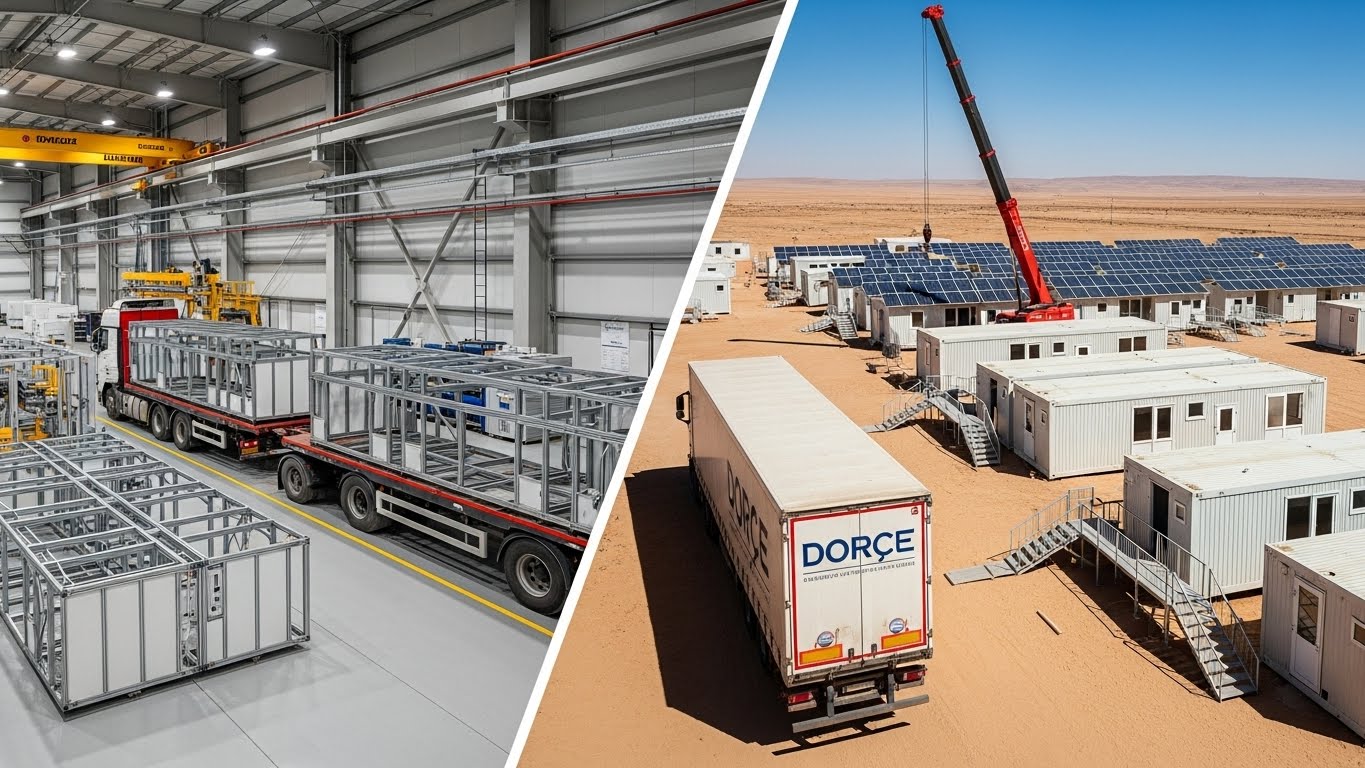
Turnkey emergency settlements refer to a comprehensive construction service model where a single contractor manages the entire lifecycle of a relief project, delivering a fully functional facility ready for immediate occupation. Unlike simple material supply, a turnkey solution encompasses engineering, manufacturing, packing, multimodal logistics, site preparation, installation, and commissioning. This approach ensures that vital components—such as accommodation units, water treatment systems, power generation, and security infrastructure—are integrated seamlessly. It transforms the chaotic requirements of a crisis zone into an organized, engineered response, providing not just shelter but a complete ecosystem for living.
Advantages of Integrated Logistics and Assembly
The primary advantage of a turnkey approach is the elimination of coordination gaps. In disaster zones, managing multiple subcontractors for transport, foundation, and assembly can lead to critical delays. A single-source provider streamlines communication and accountability. Furthermore, this method optimizes logistics; components are packed “smartly” at the factory to maximize shipping volume and simplify on-site distribution. This pre-planning reduces the carbon footprint and transportation costs significantly. Finally, the “plug-and-play” nature of modern turnkey settlements means that complex systems like hospitals or industrial kitchens can be operational within days of arrival, as they are pre-tested and engineered for rapid commissioning.
Usage Areas for Turnkey Settlements
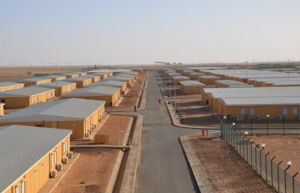
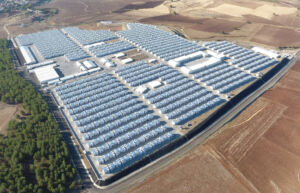
Turnkey settlements are essential in scenarios where local infrastructure is non-existent or overwhelmed. Primary usage areas include large-scale refugee camps that require sanitation and social facilities alongside housing. They are also widely used for military peacekeeping operating bases, where security and self-sufficiency are paramount. Additionally, these settlements serve as temporary towns for workforce accommodation in remote mining or energy projects, and as mobile field hospitals during pandemics or health crises, ensuring that medical staff have the infrastructure needed to save lives immediately.
Dorce’s Difference and Conclusion
Dorce Prefabrik distinguishes itself not merely as a construction firm, but as a technology company that manufactures buildings. Our difference lies in our capacity to control the entire supply chain. As a global EPC (Engineering, Procurement, and Construction) contractor, we possess the in-house logistical power to transport thousands of units to the most challenging geographies—from the deserts of the Middle East to the remote islands of the Pacific. We utilize Modern Methods of Construction (MMC) to pre-engineer every connection point, ensuring that assembly on-site is fast, error-free, and requires minimal heavy machinery. By combining advanced manufacturing technology with seasoned field expertise, Dorce delivers more than just buildings; we deliver the certainty and speed required to restore order and dignity in the aftermath of a crisis.