
Restoring Infrastructure: Temporary to Permanent Housing in War-Torn Areas
What Is Temporary to Permanent Housing?
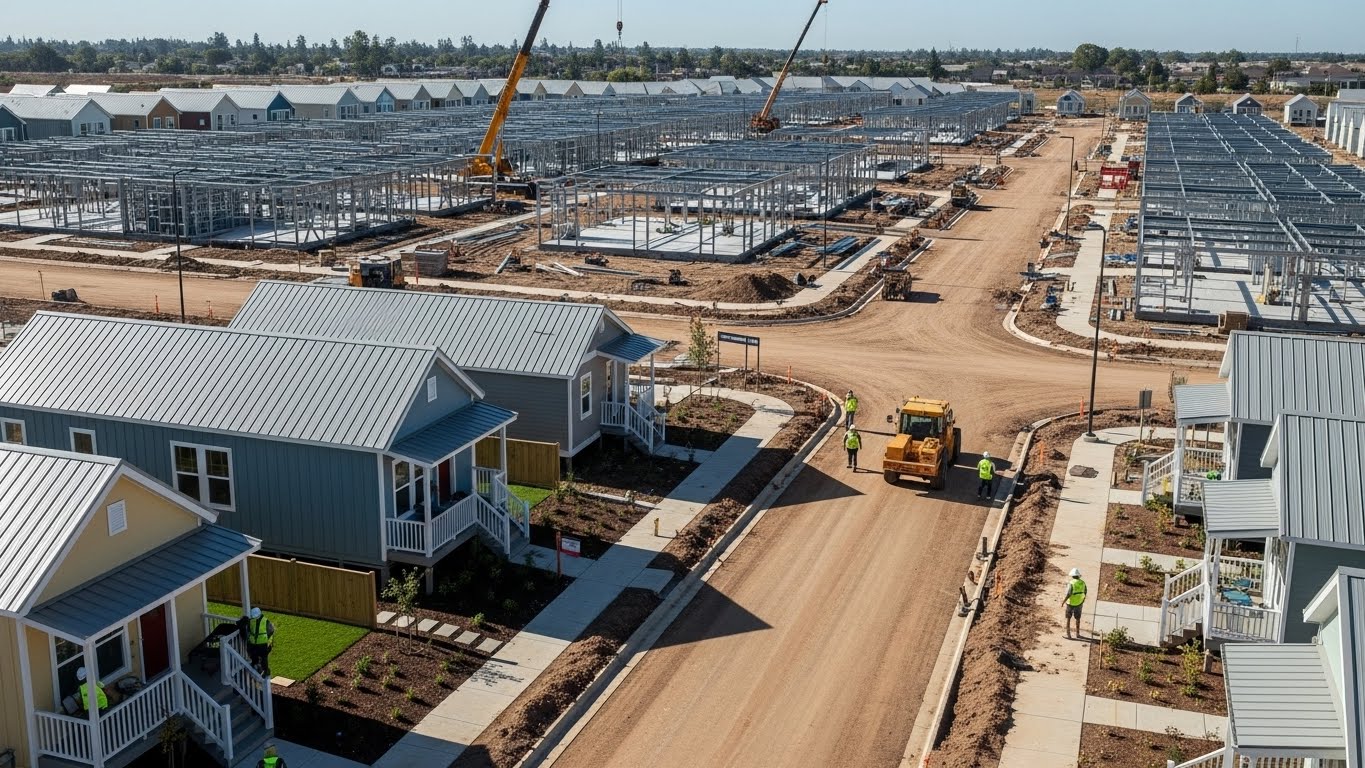
Temporary to permanent housing refers to construction systems designed to serve immediate shelter needs while being capable of long term use without structural replacement. These buildings are installed quickly to address urgent accommodation demands and later upgraded or integrated into permanent urban infrastructure.
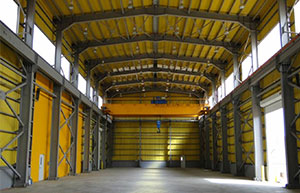
Prefabricated steel and modular housing systems are particularly suited to this approach. Manufactured in controlled factory environments, these buildings are designed to meet international structural and safety standards from the outset. This allows housing units to remain in service as permanent residences, rather than being dismantled or replaced once initial recovery phases are completed.
Advantages of Modular Housing in Infrastructure Restoration
Speed of deployment is one of the most important advantages. Modular housing units can be produced and assembled rapidly, enabling displaced populations to access safe living conditions in a short timeframe. While infrastructure restoration progresses, housing delivery can continue in parallel.
Structural durability is another key benefit. Steel based prefabricated systems provide high resistance to seismic activity, harsh weather conditions, and long term occupancy demands. These characteristics ensure that temporary housing units remain safe and functional as permanent homes.
Flexibility and adaptability further strengthen this approach. Modular housing can be expanded, reconfigured, or upgraded with additional insulation, finishes, and utilities. This allows settlements to evolve in line with infrastructure development and urban planning requirements.
Cost efficiency is also critical in large scale reconstruction programs. Standardized production, optimized material usage, and reduced on site labor help control costs while maintaining consistent quality across all housing units.
Usage Areas of Temporary to Permanent Housing Solutions
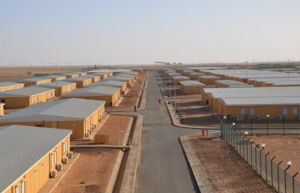
Temporary to permanent housing solutions are widely used in post conflict residential reconstruction programs. These systems provide immediate shelter while forming the foundation for long term neighborhoods and communities.
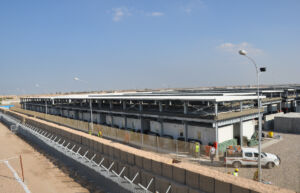
They are also applied in large scale infrastructure recovery projects where workforce accommodation is required during reconstruction phases. Once projects are completed, these buildings can be repurposed as permanent housing or community facilities.
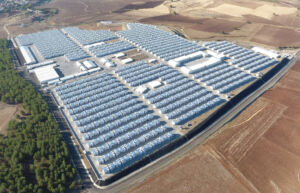
Public housing initiatives, urban regeneration projects, and regional development programs increasingly rely on prefabricated housing systems to restore infrastructure efficiently and sustainably.
Dorce’s Difference in Infrastructure Restoration Housing
Dorce Prefabricated Construction delivers housing solutions through a fully integrated Design Build and EPC approach. From engineering and manufacturing to logistics, installation, and commissioning, all stages are managed within a single coordinated framework.
Dorce designs modular housing systems with long term performance in mind. Buildings are engineered to international standards, produced in advanced manufacturing facilities, and adapted to local climatic and operational conditions. This ensures that temporary housing can transition seamlessly into permanent infrastructure.
With extensive international project experience, Dorce supports infrastructure restoration by delivering housing solutions that combine speed, durability, and adaptability. By enabling temporary to permanent housing transitions, Dorce Prefabricated Construction contributes to stable recovery and sustainable rebuilding in war-torn areas.