
World Bank Funded Projects: Compliance and Speed in Modular Construction
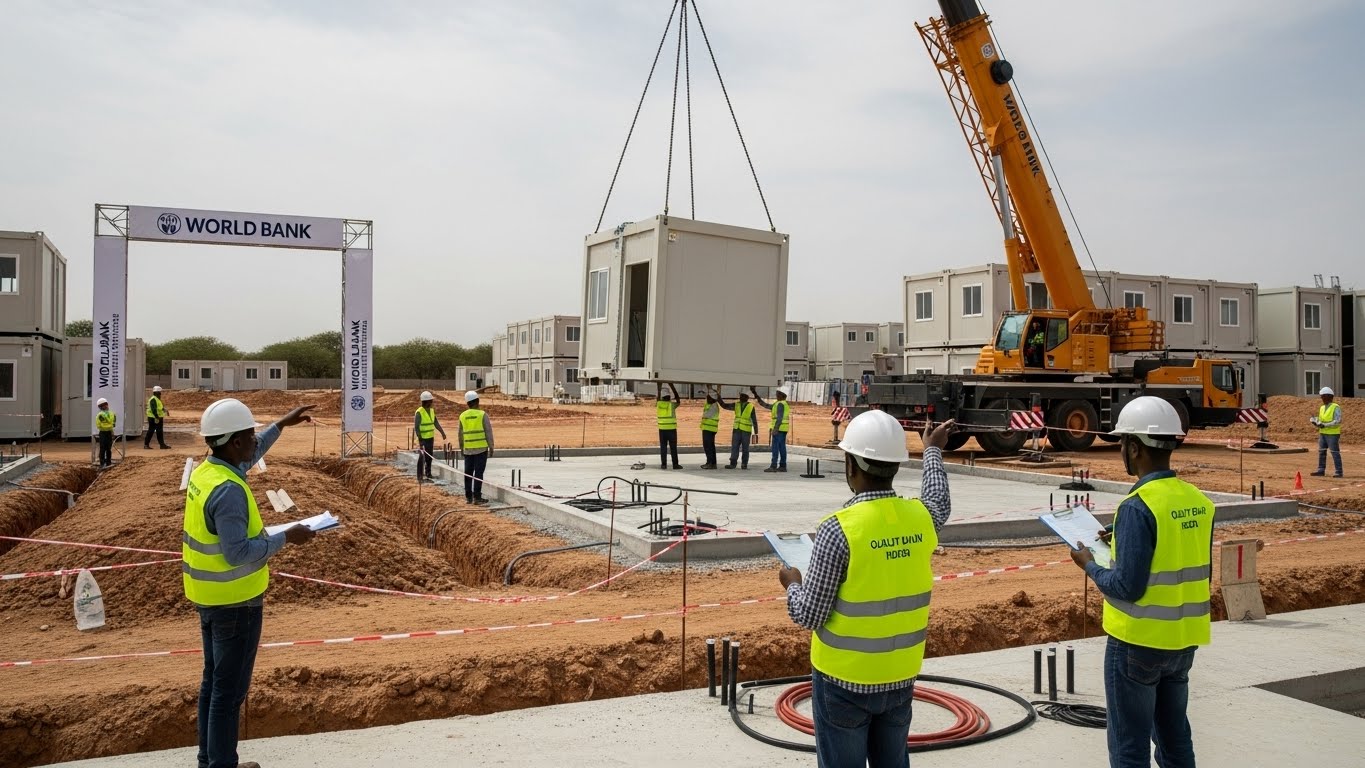
World Bank funded projects operate under some of the most rigorous technical, financial, and social compliance frameworks in the construction sector. These projects are typically delivered in fragile, post conflict, or infrastructure deficient regions where speed of execution is critical, but never at the expense of transparency, quality, or long term performance. Modular construction has become a preferred delivery method in this context, as it enables accelerated implementation while maintaining full compliance with international procurement, environmental, and technical standards.
What makes World Bank funded construction projects unique?
World Bank funded construction projects are governed by strict procurement rules, environmental and social safeguard policies, and detailed technical specifications. Contractors must demonstrate compliance with international standards related to quality management, environmental protection, occupational health and safety, financial transparency, and reporting.
In addition to compliance, these projects often face intense time pressure. Delays can impact public services, economic recovery, and social stability. This dual requirement of speed and compliance makes traditional construction methods difficult to manage, especially in regions with limited infrastructure or skilled labor availability.
Modular and prefabricated construction methods directly address this challenge by shifting production into controlled environments while reducing on site risks and uncertainties.
Advantages of modular construction in World Bank funded projects
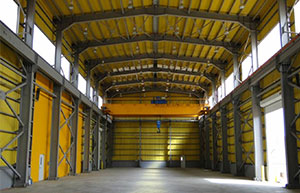
Speed of delivery is one of the most decisive advantages. Modular construction allows site preparation and building production to progress simultaneously. While foundations and infrastructure are prepared on site, building components are manufactured in factories, significantly shortening overall project timelines.
Compliance and quality assurance are strengthened through factory based production. Controlled manufacturing environments enable systematic inspections, material traceability, and documentation aligned with World Bank audit requirements. This level of control is difficult to achieve with purely site based construction.
Cost predictability is another key benefit. Standardized production processes reduce cost overruns and minimize variations. This is particularly important for World Bank funded projects, where budget discipline and financial accountability are mandatory.
Environmental and social compliance is easier to manage with modular systems. Reduced material waste, lower site disturbance, and optimized logistics contribute to better environmental performance. Safer working conditions and reduced on site labor intensity support occupational health and safety requirements.
Scalability allows projects to be expanded or replicated across multiple locations. This is especially valuable for housing, healthcare, education, and public service programs funded under regional or national development initiatives.
Typical applications in World Bank funded programs
Modular construction is increasingly used across a wide range of World Bank funded sectors.
Post disaster and post conflict housing programs
Healthcare facilities and modular hospitals
Educational buildings and school expansion projects
Public administration and service buildings
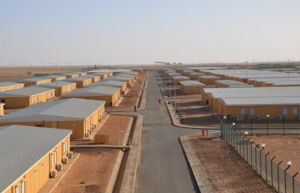
Temporary and permanent accommodation for displaced populations
Infrastructure support buildings for energy, water, and transport projects
In these applications, modular systems enable fast deployment while ensuring long term durability and operational efficiency.
Dorce’s approach to compliance driven modular delivery
Dorce approaches World Bank funded projects with a compliance first delivery model. From the earliest project stages, design and engineering processes are aligned with World Bank procurement guidelines, technical specifications, and environmental and social frameworks.
Factory based production enables continuous quality control, documentation, and traceability across all building components. Each stage of manufacturing and assembly is recorded and verified to support audits and reporting requirements. Logistics and installation processes are planned to minimize site risks and ensure schedule certainty.
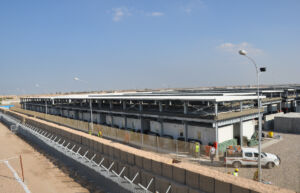
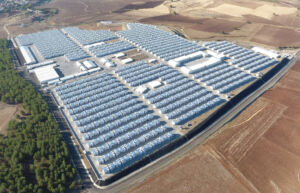
Dorce’s experience in delivering large scale modular settlements, healthcare facilities, and public infrastructure across diverse geographies enables efficient coordination with international consultants, government agencies, and funding institutions. This experience ensures that projects meet not only technical and contractual obligations, but also the broader development objectives of World Bank funded programs.
World Bank funded construction projects demand a balance between urgency and responsibility. Modular construction provides the structural discipline, speed, and transparency required to achieve this balance. Through its integrated modular solutions, Dorce supports development programs with compliant, efficient, and high performance building systems that deliver lasting value to communities and stakeholders.