
Permanent Housing Solutions for Internally Displaced Persons (IDPs) in Ukraine
Permanent Housing Solutions for Internally Displaced Persons (IDPs) in Ukraine
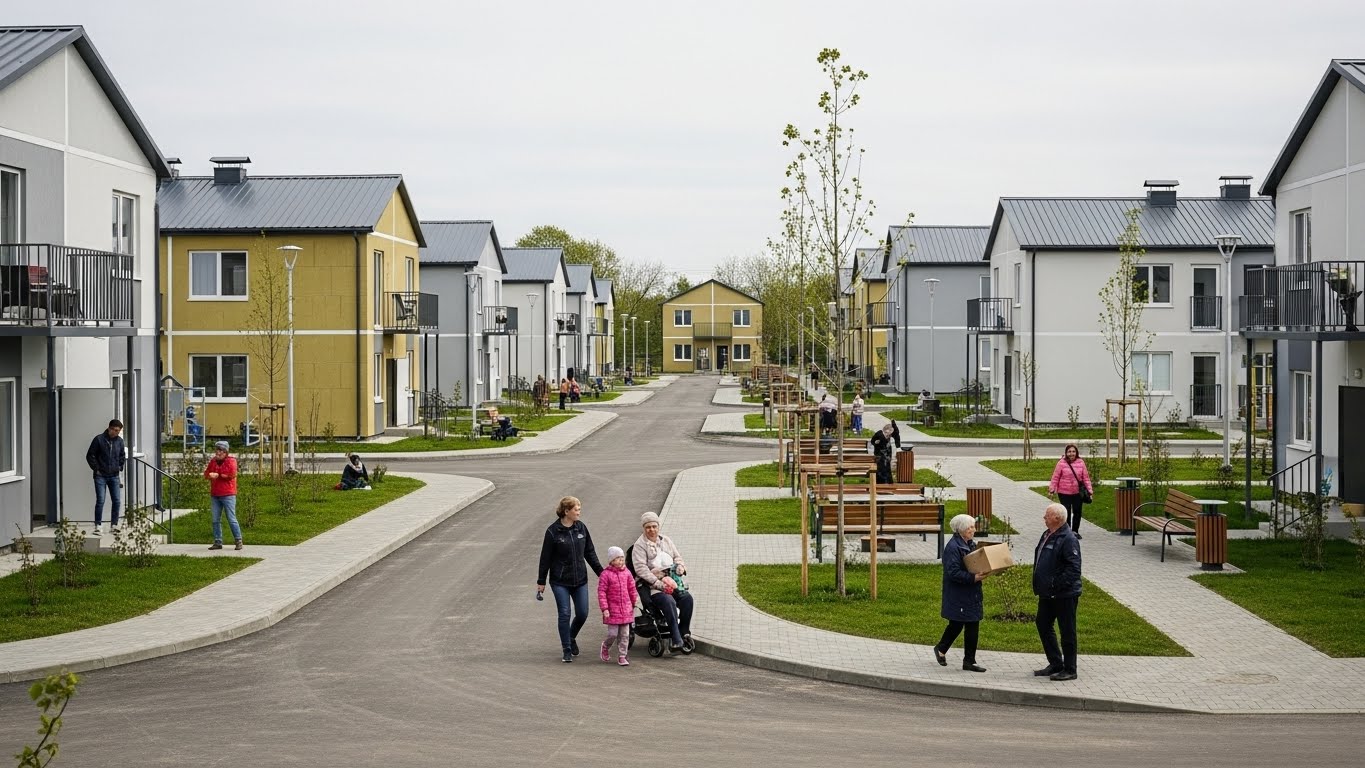
The displacement of millions of people within Ukraine has transformed housing from a short term emergency need into a long term structural challenge. Internally displaced persons require more than temporary shelters. They need safe, durable, and permanent homes that support family life, social integration, and economic recovery. Delivering permanent housing solutions at scale, under post conflict conditions and harsh climate constraints, demands construction systems that combine speed, quality, and long term performance. Modular and prefabricated housing has emerged as one of the most viable pathways to meet these requirements.
What defines permanent housing for internally displaced persons?
Permanent housing for internally displaced persons refers to residential solutions designed for long term occupancy, legal residency, and full integration into local communities. These homes must comply with national building codes, provide adequate thermal comfort, support access to utilities, and enable residents to rebuild stable daily lives.
In Ukraine, permanent IDP housing must address multiple realities simultaneously. Construction timelines must be short to respond to urgent demand. Buildings must perform efficiently during severe winters. Housing layouts must support families of different sizes while remaining adaptable for future community growth. Unlike temporary settlements, permanent housing becomes part of the national housing stock and must be built accordingly.
Advantages
Long term safety and durability are essential. Modular and prefabricated housing systems are engineered with structural steel or light gauge steel frames designed for decades of use, ensuring resistance to snow loads, wind forces, and daily wear.
Energy efficiency reduces operating costs for residents and public authorities. High performance insulation, airtight building envelopes, and efficient heating systems significantly lower energy consumption, which is critical in regions facing energy supply constraints.
Speed of delivery accelerates resettlement. Off site production allows housing units to be manufactured while land development and infrastructure works are underway, enabling faster occupancy compared to traditional construction.
Quality consistency improves living standards. Factory controlled manufacturing ensures uniform thermal performance, acoustic comfort, and finish quality across large housing developments, reducing maintenance needs over time.
Scalability supports phased development. Housing projects can expand gradually as funding becomes available and population needs evolve, without disrupting existing residents.
Community integration is enhanced through flexible layouts. Modular housing can be configured as apartment buildings, row houses, or neighborhood clusters that align with urban planning and local context.
Usage areas
Permanent modular housing solutions for internally displaced persons are applicable across different settlement models in Ukraine.
Urban housing developments supporting displaced families
Small town and regional housing projects near employment zones
Residential complexes linked to social services and education facilities
Mixed use neighborhoods integrating housing with community infrastructure
Reconstruction driven housing programs replacing destroyed residential stock
In each scenario, permanence, comfort, and social integration are as important as construction speed.
Dorce’s approach
Dorce delivers permanent housing solutions for internally displaced persons through an integrated, standards driven methodology. Housing systems are engineered to comply with national regulations and international performance benchmarks, ensuring long term safety and usability.
Off site manufacturing enables precise installation of insulation, windows, and structural components under controlled conditions. Heating, ventilation, and electrical systems are integrated during production to reduce on site work and ensure reliable operation from the first day of occupancy. Structural designs are adapted to local climate conditions, including prolonged winter exposure.
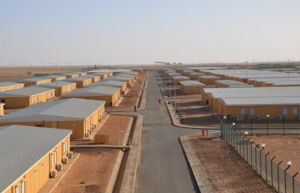
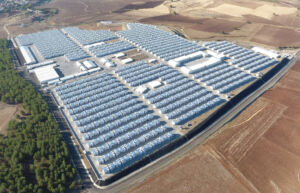
Dorce approaches housing not as isolated units, but as part of complete residential environments. Site planning considers access roads, utilities, green areas, and future expansion. Modular construction allows housing projects to scale efficiently while maintaining consistent quality and predictable delivery timelines.
Permanent housing is a cornerstone of recovery for internally displaced populations. It restores stability, dignity, and a sense of belonging for families who have lost their homes. Through modular and prefabricated construction expertise, Dorce supports Ukraine’s long term recovery by delivering permanent housing solutions that are fast to build, energy efficient, and designed to serve communities for generations.