
Man Camp Construction Services
Man Camp Construction Services
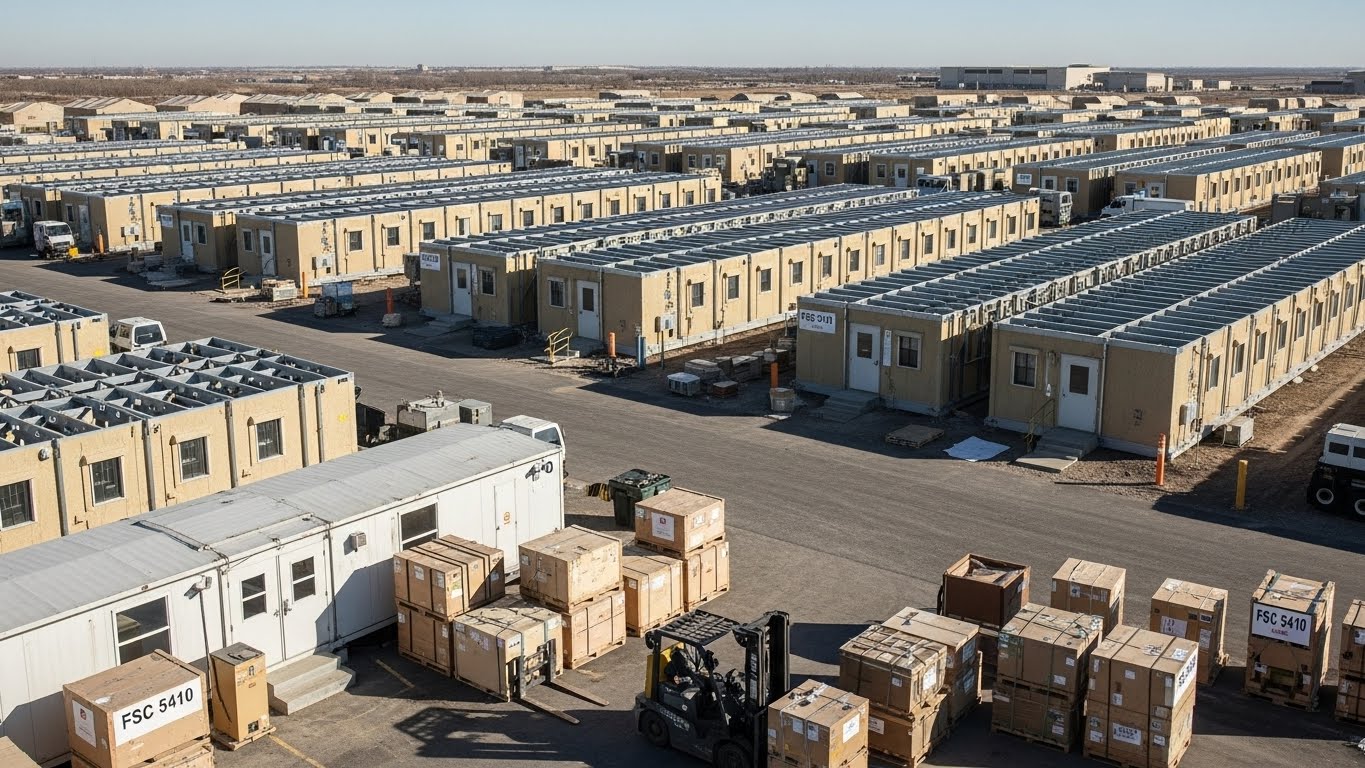
Man camps are no longer simple accommodation clusters placed near remote worksites. In today’s energy, mining, infrastructure, and large-scale construction projects, man camps function as fully operational living environments that directly affect productivity, safety, workforce retention, and project continuity. Man camp construction services therefore require an integrated delivery model that combines engineering, logistics, life-support infrastructure, and operational planning under strict time and site constraints.
What are man camp construction services?
Man camp construction services refer to the end-to-end delivery of workforce accommodation facilities designed for remote or temporary project locations. These services typically cover planning, design, off-site production, logistics, installation, commissioning, and in many cases operational support.
A modern man camp is not limited to sleeping quarters. It includes a complete ecosystem of facilities that support daily life, health, safety, and morale for hundreds or thousands of workers operating far from permanent settlements. Man camp construction is therefore closer to building a small, self-sufficient town than a conventional housing project.
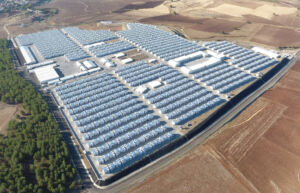
Typical capacity ranges vary widely, from small 100-person camps for early-stage exploration to mega camps housing 5,000 to 15,000 workers for LNG, mining, oil and gas, or linear infrastructure projects.
Core components of a modern man camp
Man camp construction services are defined by how well these components are integrated rather than by any single building type.
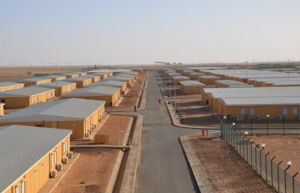
Accommodation units form the backbone of the camp. These may be modular dormitories, container-based rooms, or volumetric living units, often designed with single or double occupancy, integrated bathrooms, and climate-specific insulation packages.
Food service infrastructure is critical. Central kitchens, dining halls, cold storage units, and waste handling systems must support high daily throughput while maintaining strict hygiene standards. In large camps, kitchens often operate 24 hours per day across multiple shifts.
WASH infrastructure includes toilets, showers, laundries, wastewater treatment systems, and potable water networks. These systems must be designed for peak usage patterns rather than average demand to avoid operational failure.
Medical and safety facilities typically include clinics, first aid stations, isolation rooms, and emergency response areas. In remote projects, on-site medical capability directly reduces downtime and evacuation risk.
Recreation and welfare facilities support workforce morale and long-term retention. Gyms, TV rooms, internet lounges, prayer rooms, and outdoor recreation areas are increasingly standard, especially in long-duration projects.
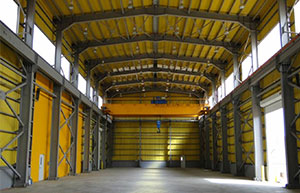
Technical and operational buildings include power generation units, electrical distribution rooms, water treatment modules, fuel storage, maintenance workshops, warehouses, and site offices.
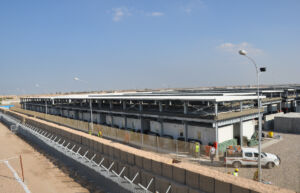
Internal infrastructure such as roads, drainage, lighting, fencing, access control, and fire safety zones determines whether the camp operates safely and efficiently under continuous use.
Advantages of modular and prefabricated man camp construction
Speed of deployment is one of the most decisive advantages. Modular and prefabricated systems allow accommodation units and service buildings to be manufactured while site grading and utility corridors are prepared. This parallel workflow can reduce overall delivery timelines by months compared to traditional construction.
Logistics predictability is essential in remote locations. Flat-pack and modular formats optimize transport efficiency, allowing more usable space to be delivered per shipment. This is especially important where access roads, ports, or border crossings are limited.
Quality consistency improves workforce comfort and reduces maintenance burden. Factory-controlled production ensures uniform insulation, airtightness, acoustic performance, and finish quality across thousands of rooms.
Scalability supports phased project execution. Man camps can expand or contract in line with workforce size, allowing operators to control capital expenditure and adapt to changing project schedules.
Durability is critical in harsh environments. Engineered steel systems perform reliably under extreme temperatures, high winds, dust, humidity, or heavy usage, extending service life and reducing lifecycle cost.
Health and safety performance improves through standardized layouts, controlled circulation, and integrated fire and emergency systems. This directly supports project HSE targets.
Typical use cases by sector
In oil and gas projects, man camps often support long-duration construction and operations in deserts, arctic zones, or offshore-adjacent sites. LNG projects in particular require large-capacity camps with high-quality accommodation and extensive welfare facilities due to multi-year project timelines.
Mining projects rely on man camps in geographically isolated areas where daily commuting is impossible. Camps must operate year-round and often integrate with rotational workforce schedules.
Infrastructure and EPC projects such as pipelines, railways, highways, and power plants use man camps as mobile or semi-permanent bases that shift as construction progresses along a corridor.
Renewable energy projects, including wind and solar farms, increasingly use modular man camps during peak construction phases, particularly in rural or undeveloped regions.
Defense and security-related projects may require higher levels of access control, durability, and autonomy, including hardened structures and independent utilities.
Logistics and planning considerations
Man camp construction is fundamentally logistics-driven. Site access, distance from supply hubs, climate conditions, and local labor availability all influence system selection.
Transport planning determines whether flat-pack systems, containerized units, or volumetric modules are most appropriate. Handling capacity on site influences crane requirements and installation sequencing.
Utility independence is often essential. Many man camps must operate with standalone power generation, water treatment, and wastewater management systems due to lack of local infrastructure.
Phasing strategy is critical. Early works camps may require only essential accommodation and kitchens, while later phases expand into full-scale settlements with recreation and medical facilities.
Decommissioning and relocation planning is increasingly important. Modular systems allow camps to be dismantled, relocated, or repurposed after project completion, reducing environmental impact and residual liability.
Dorce’s approach
Dorce delivers man camp construction services as integrated workforce infrastructure rather than isolated buildings. Each project begins with a capacity and operational analysis that defines accommodation standards, service ratios, climate requirements, and logistics constraints.
Modular accommodation units, WASH blocks, kitchens, clinics, and technical buildings are engineered as compatible systems, allowing synchronized delivery and commissioning. Off-site manufacturing ensures consistent quality and traceability, while transport formats are selected to maximize logistics efficiency.
Dorce plans man camps with full life-cycle perspective, covering rapid mobilization, stable long-term operation, and eventual demobilization or reuse. This approach has been applied across energy, mining, infrastructure, and industrial projects in challenging geographies, supporting safe operations and workforce well-being at scale.
Man camps are no longer temporary side facilities. They are mission-critical infrastructure that directly influences project success. Through integrated design, modular construction expertise, and logistics-led execution, man camp construction services can deliver safe, efficient, and resilient living environments even in the most remote and demanding project locations.