


Nato Procurement Logistics
NATO procurement logistics is a highly structured, multi-layered system designed to support alliance-wide readiness, interoperability, and sustained operations across peacetime, crisis response, and high-intensity conflict scenarios. Unlike commercial or single-nation defense procurement, NATO logistics operates within a framework of multinational governance, standardized requirements, and complex funding mechanisms. For suppliers, EPC contractors, modular infrastructure providers, and logistics partners, understanding how NATO procurement logistics functions is essential to accessing alliance-funded projects and long-term framework agreements.
What is NATO procurement logistics?
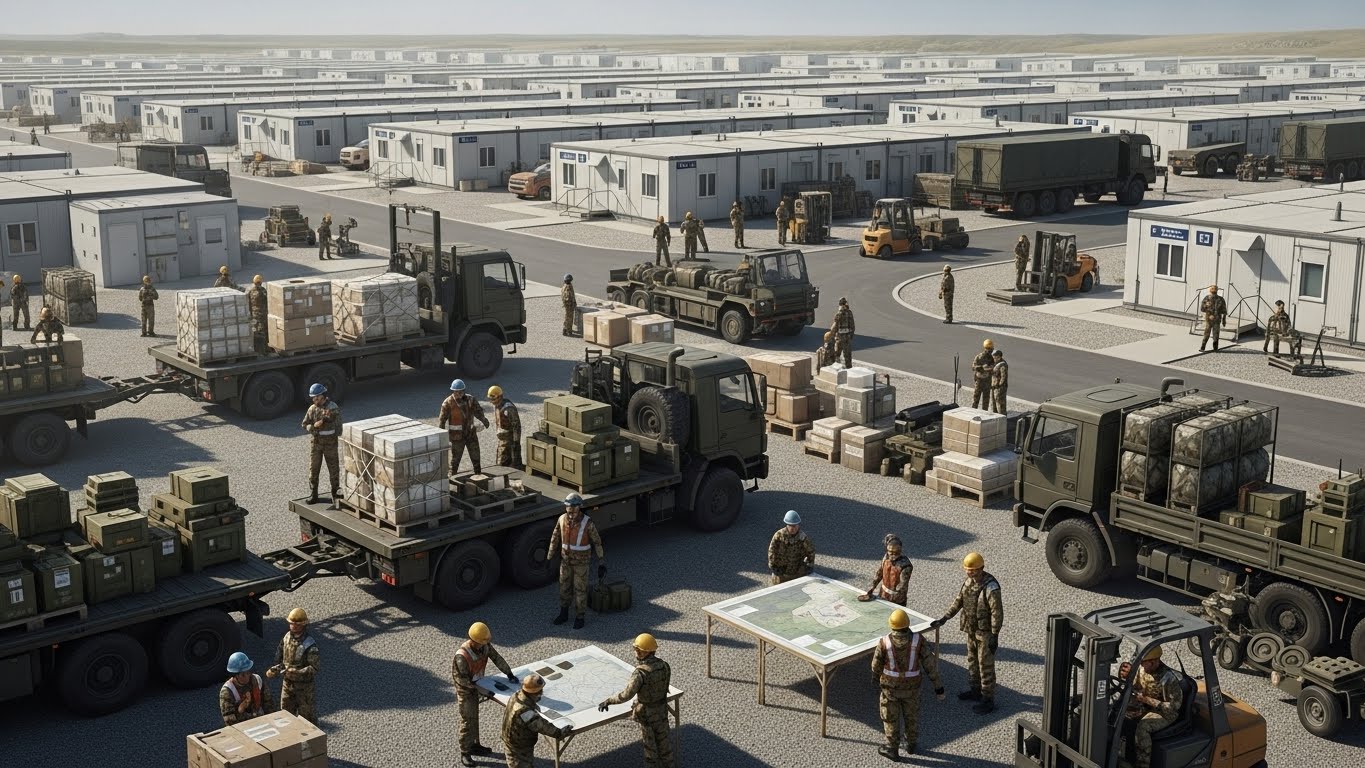
NATO procurement logistics refers to the processes through which the Alliance plans, sources, acquires, transports, installs, and sustains equipment, infrastructure, and services required for collective defense and operations. This includes not only weapons systems, but also non-weapon critical infrastructure such as camps, shelters, fuel systems, medical facilities, communications buildings, and life-support services.
Key characteristics of NATO procurement logistics include:
- Multinational funding and governance structures
• Standardization across member nations to ensure interoperability
• Emphasis on readiness, deployability, and sustainment
• Strong reliance on framework contracts and long-term supplier qualification
• Integration of civilian industry into military logistics chains
NATO procurement logistics is coordinated through NATO agencies rather than individual national ministries, which fundamentally changes how suppliers must position themselves.
Core NATO procurement and logistics entities
NATO logistics and procurement activities are primarily managed through specialized agencies.
- NATO Support and Procurement Agency (NSPA) acts as the central procurement, logistics, and lifecycle management body for NATO
• NATO Communications and Information Agency (NCIA) manages procurement related to communications, IT, cyber, and command systems
• Strategic commands such as SHAPE define operational requirements that translate into procurement needs
• National Support Elements interface between NATO agencies and national industries
NSPA is the most relevant entity for infrastructure, camp systems, fuel, medical support, and deployable assets. It manages multinational procurement on behalf of NATO members and partners.
How NATO Procurement Logistics Differs From National Defense Procurement
NATO procurement logistics differs fundamentally from single-country defense procurement in several ways.
- Requirements are driven by alliance-wide operational needs rather than national doctrine
• Technical specifications prioritize interoperability and standardization over bespoke solutions
• Funding may come from common-funded NATO budgets or multinational cost-sharing mechanisms
• Procurement timelines are often longer due to multinational approval processes
• Supplier eligibility and compliance requirements are stricter and more standardized
This means that technically capable suppliers can still fail to qualify if they do not align with NATO’s procedural and compliance framework.
Types Of Assets Procured Through NATO Logistics Channels
NATO procurement logistics covers a broad range of asset categories beyond traditional military hardware.
- Deployable camps including accommodation, WASH, kitchens, clinics, and command facilities
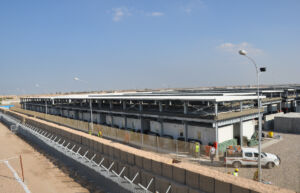
• Prefabricated and modular buildings for bases, training areas, and forward deployments
• Fuel storage, distribution, and energy systems
• Medical infrastructure including Role 1 and Role 2 facilities
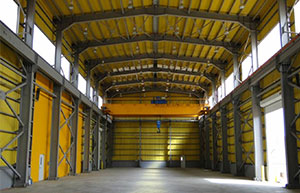
• Warehousing, maintenance, and logistics support buildings
• Transportation, handling equipment, and logistics services
• Lifecycle support including maintenance, spare parts, and upgrades
For many operations, especially rapid deployments, modular and prefabricated infrastructure plays a central role due to speed and repeatability.
Procurement models used by NATO
NATO procurement logistics relies on several contracting models.
- International Competitive Bidding for major acquisitions
• Basic Ordering Agreements and framework contracts for recurring needs
• Indefinite delivery arrangements allowing rapid task orders
• Multinational pooled procurement on behalf of multiple member states
• Urgent Operational Requirements procedures for crisis situations
Framework agreements are particularly important. Once a supplier is qualified and contracted, NATO can place repeated orders without re-tendering, making framework access strategically valuable.
Compliance And Qualification Requirements
NATO procurement logistics imposes stringent compliance requirements on suppliers and subcontractors.
- Eligibility based on nationality rules linked to NATO member or partner status
• Robust financial transparency and auditability
• Quality management systems aligned with ISO standards
• Strong HSE and environmental compliance
• Information security and data protection measures
• Proven capacity to operate in sensitive or high-risk environments
For infrastructure and modular systems, documentation, traceability, and repeatable performance are often more important than lowest price.
Logistics And Deployment Expectations
NATO places exceptional emphasis on logistics engineering and deployability.
- Assets must be transport-optimized for road, rail, sea, and in some cases airlift
• Packaging, dimensions, and weights are scrutinized during evaluation
• Installation and commissioning timelines must be predictable
• Systems must integrate with existing NATO infrastructure and standards
• Sustainment and maintenance planning is required from day one
Suppliers are evaluated not only on what they deliver, but on how reliably they can deliver it under operational constraints.
Common challenges for industry suppliers
Many capable companies struggle to access NATO procurement logistics opportunities due to avoidable issues.
- Lack of familiarity with NSPA procedures and vendor registration requirements
• Treating NATO tenders like commercial bids instead of alliance-level programs
• Insufficient documentation and standardization
• Underestimating the importance of lifecycle support and sustainment
• Weak logistics and deployment planning in proposals
Success requires long-term positioning rather than opportunistic bidding.
Strategic relevance for modular and infrastructure providers
For modular construction and camp infrastructure providers, NATO procurement logistics represents a major opportunity area.
- NATO operations increasingly rely on rapidly deployable, relocatable infrastructure
• Modular systems support readiness, scalability, and multinational use
• Standardized solutions reduce integration risk across forces
• Lifecycle cost and redeployability align with NATO budget discipline
Suppliers capable of delivering turnkey infrastructure systems with strong logistics logic are well positioned within NATO procurement frameworks.
Dorce’s Alignment With NATO Procurement Logistics
Dorce operates with an understanding that NATO procurement logistics is system-driven rather than product-driven. Infrastructure solutions are engineered to meet deployability, standardization, and lifecycle expectations commonly required in NATO-funded projects.
Modular accommodation units, WASH blocks, kitchens, clinics, and technical buildings are designed as interoperable systems rather than isolated structures. Off-site manufacturing supports quality consistency and traceability, while logistics planning ensures compatibility with constrained transport and rapid deployment scenarios.
With experience in military camps, defense infrastructure, and large-scale workforce accommodation in challenging environments, Dorce aligns its delivery model with the operational and logistical realities that define NATO procurement logistics. This positioning enables reliable support to alliance operations where readiness, durability, and predictability are mission-critical.