
Prefabricated Building
What is..?
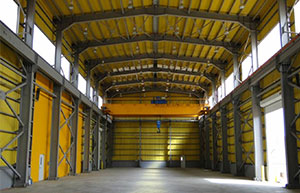
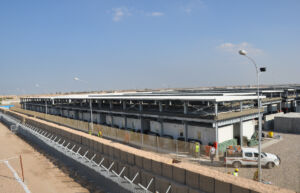
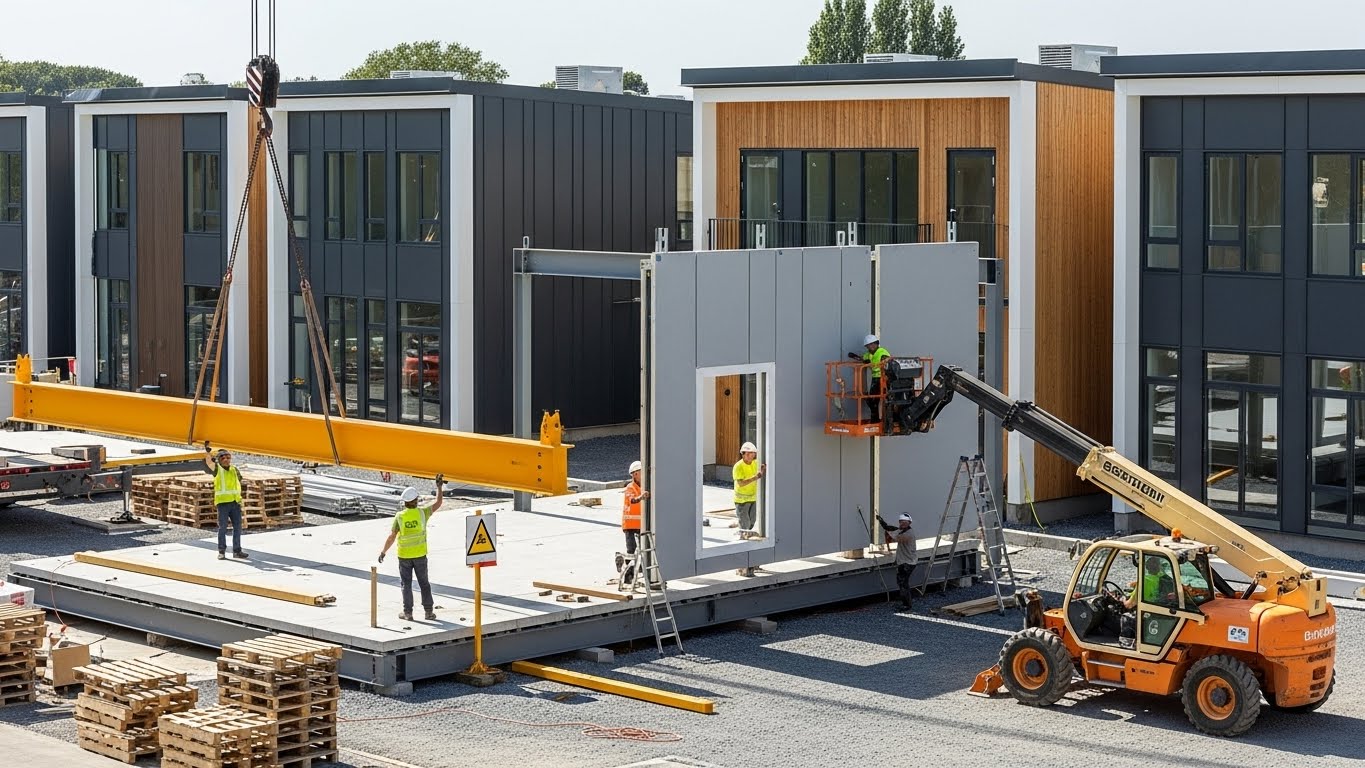
A prefabricated building is a structure that is designed, engineered and manufactured in factory controlled environments, then transported to the project site for rapid installation. Instead of building everything on site, structural frames, wall panels, floors, roofs and interior systems are produced as pre finished components or modules. These elements are then assembled to create complete, high quality buildings that comply with international safety, structural and performance standards.
Prefabricated buildings can be temporary or permanent and are used across a wide range of sectors where speed, quality consistency and cost efficiency are essential.
Advantages
Prefabricated buildings offer major time savings because production takes place off site in parallel with foundation and site preparation. This shortens delivery schedules and minimizes disruptions in sensitive or remote environments. Factory production ensures precision, repeatable quality and strong control over materials, workmanship and inspections.
These buildings are highly durable, engineered for seismic, wind and environmental loads and designed for long term performance. Sustainability is improved through optimized material use, reduced waste and lower site disturbance.
Flexibility is another key strength. Prefabricated buildings can be expanded, relocated, reconfigured or repurposed depending on operational requirements. Predictable budgeting, improved health and safety and reliable delivery performance make prefabricated building systems ideal for both public and private sector projects.
Usage Areas
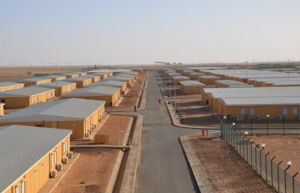
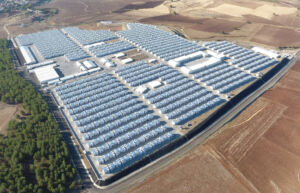
Prefabricated buildings are widely used for worker accommodation camps, offices, schools, clinics and hospitals, military and defense facilities, logistics hubs, industrial sites, humanitarian settlements, social infrastructure and emergency housing.
They are particularly valuable in harsh climates, conflict zones, disaster recovery operations, remote locations and fast track projects where traditional construction is difficult, slow or unsafe. Governments, NGOs, EPC contractors and global developers rely on prefabricated buildings for both short term and permanent facilities.
Dorce’s Difference/Conclusion
Dorce designs and delivers prefabricated buildings with full turnkey capability, covering design, structural engineering, manufacturing, logistics, installation and commissioning within a single coordinated delivery model. All buildings are produced using certified materials and audited quality systems to ensure structural safety, comfort and long term durability.
With extensive international experience and high capacity off site manufacturing, Dorce adapts prefabricated building systems to local regulations, climate conditions and sector specific requirements while maintaining schedule certainty and cost efficiency.
By combining industrialized construction with advanced engineering expertise, Dorce helps clients build faster, safer and more sustainably through modern prefabricated building solutions.