
Site Preparation for Contract Area 106 & 07: Essential Infrastructure Guide
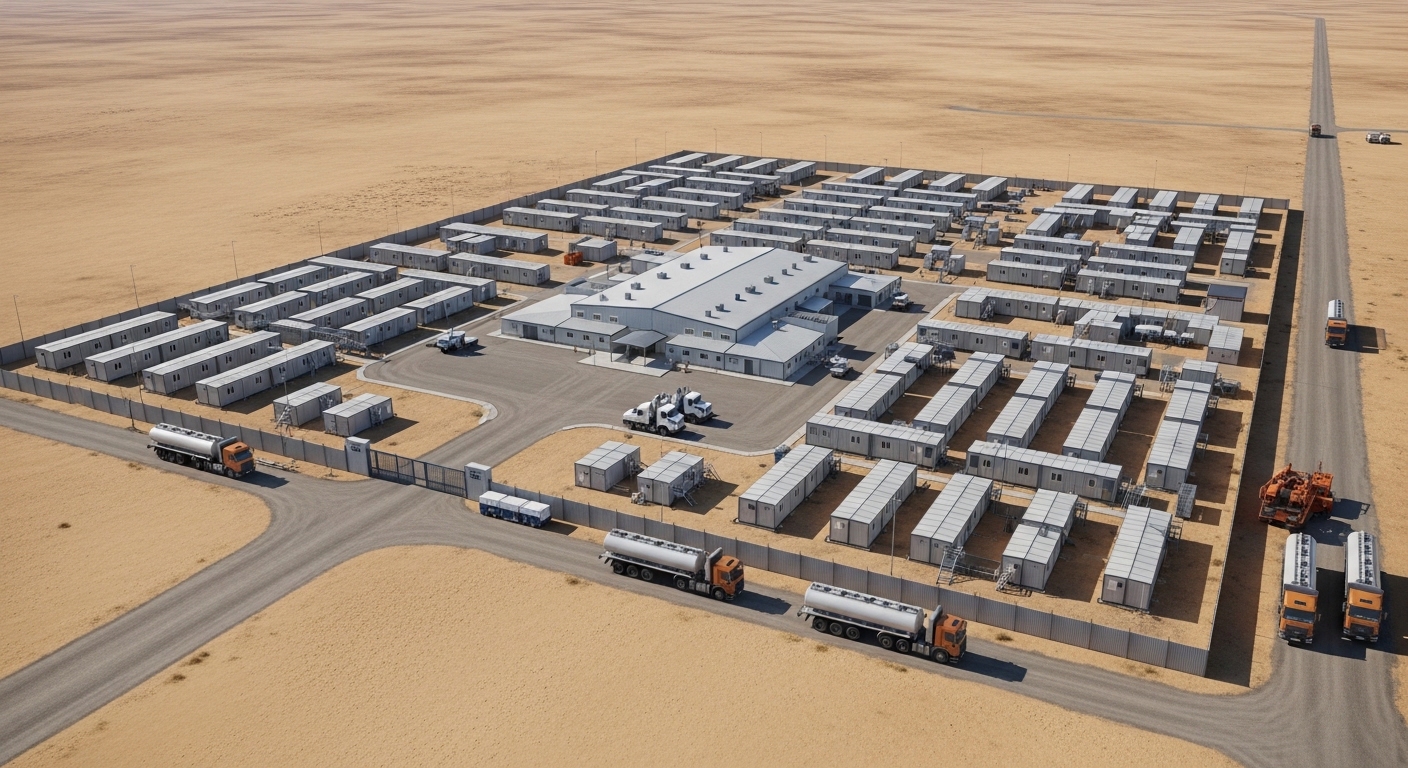
Contract Area 106 and 07 represent critical upstream zones within Libya’s oil and gas portfolio, often associated with NOC Libya tenders and international joint venture operators. In such environments, site preparation is not a preliminary formality but a decisive operational phase that determines whether drilling, exploration, and production schedules remain on track. For offshore and onshore interfaces connected to the Sirte Basin and adjacent blocks, infrastructure readiness directly impacts safety, logistics, and cost control.
For Turkish contractors in Libya and ENR Top 250 contractors operating under Turnkey EPC frameworks, structured site preparation integrates modular construction, prefabricated buildings, workforce housing, and blast-resistant infrastructure into a cohesive deployment strategy.
Understanding Contract Area 106 & 07 Operational Context
Contract Area 106 & 07 typically involve:
• Exploration drilling campaigns
• Seismic survey operations
• Early production facilities
• Temporary site facilities for engineering and drilling teams
• Workforce housing and Life Support Areas
These zones may be partially remote, requiring integration with the Tripoli logistics base while ensuring self-sufficient operations in desert conditions.
Site preparation must account for:
• Geotechnical variability
• Sand and dust exposure
• Temperature extremes
• Security planning
• Supply chain reliability
Phase 1: Geotechnical Survey and Ground Stabilization
Before modular construction or oil field accommodation installation begins, geotechnical assessment is mandatory.
Key technical steps include:
• Soil bearing capacity analysis
• Compaction testing
• Sand migration risk evaluation
• Flood channel mapping
• Foundation depth determination
For modular construction systems, especially prefabricated buildings and blast-resistant containers, foundation strategy must align with rapid mobilization requirements.
Typical solutions:
• Compacted gravel platforms
• Reinforced concrete pad foundations
• Precast concrete blocks for container modules
• Elevated steel skid foundations for desert airflow
Ground stabilization ensures long-term structural integrity while minimizing rework during future expansion phases.
Phase 2: Access Roads and Logistics Corridors
Contract Area 106 & 07 depend heavily on secure and reliable access routes linking remote zones to Tripoli logistics base and intermediate staging hubs.
Essential components:
• Compacted desert access roads
• Reinforced convoy turning areas
• Equipment laydown zones
• Heavy vehicle parking zones
• Emergency evacuation access corridors
Proper road engineering reduces:
• Vehicle downtime
• Fuel inefficiencies
• Convoy vulnerability
• Maintenance disruptions
For oil field accommodation and man camps, logistics planning must anticipate high-frequency supply movements.
Phase 3: Utilities Backbone Installation
Before workforce housing or Life Support Areas are installed, utility corridors must be established.
Core infrastructure includes:
• Temporary power generation units
• Underground or overhead power distribution
• Water storage tanks and pumping systems
• Wastewater collection and septic treatment
• Drainage management systems
Turnkey EPC models integrate utility backbone installation with modular construction timelines to reduce sequencing delays.
For remote desert areas, redundancy is critical:
• Backup generator systems
• Dual water supply strategies
• Redundant communication lines
• Emergency lighting systems
Phase 4: Camp Zoning and Master Planning
Strategic zoning separates operational and residential functions to enhance safety and efficiency.
Typical zoning strategy:
• Drilling and process zones
• Heavy equipment maintenance areas
• Blast-resistant control rooms
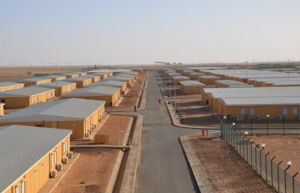
• Workforce housing clusters
• Dining and recreation facilities
• Medical and emergency response units
Effective layout reduces cross-traffic risk and improves emergency response times.
Man camps and LSAs must maintain:
• Minimum safety distances from hazardous operations
• Secure perimeter fencing
• Controlled entry checkpoints
• Fire separation compliance
Phase 5: Modular Construction Deployment
Once ground preparation and utilities are in place, modular construction systems are mobilized.
Prefabricated buildings offer several advantages:
• Factory-controlled production
• Reduced on-site labor exposure
• Short installation timelines
• Predictable structural performance
For Contract Area 106 & 07, typical modular components include:
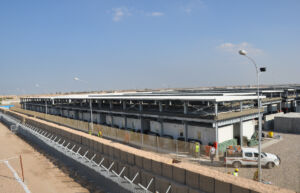
• Workforce housing units
• Administrative offices
• Medical clinics
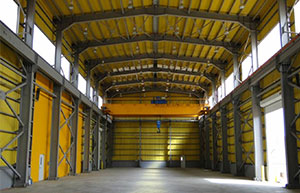
• Workshops and storage units
• Dining facilities
• Sanitation blocks
Blast-resistant containers may be deployed for:
• Control rooms
• Communication hubs
• Critical technical equipment
Rapid mobilization aligns drilling and exploration schedules with infrastructure readiness.
Phase 6: Safety and Compliance Integration
Oil field operations under NOC Libya tenders require strict compliance with international HSE standards.
Site preparation integrates:
• Fire detection and suppression systems
• Emergency assembly points
• Spill containment zones
• Hazardous material storage separation
• Dust mitigation systems
Compliance readiness is particularly important for international operators working alongside ENR Top 250 contractors.
Phase 7: Expansion and Scalability Planning
Contract Area 106 & 07 operations often evolve from exploration to production phases. Infrastructure must be scalable.
Scalable design principles:
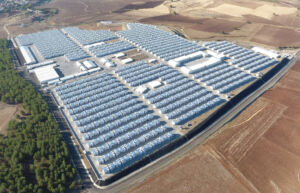
• Expandable modular accommodation clusters
• Pre-planned utility capacity upgrades
• Flexible LSA layouts
• Additional storage and maintenance modules
Modular construction enables phased expansion without major operational disruption.
Logistics Synchronization with Tripoli Base
Tripoli logistics base serves as the primary staging and consolidation hub for:
• Prefabricated building modules
• Electrical and mechanical systems
• Workforce mobilization
• Spare parts and consumables
Integrated logistics planning ensures:
• Sequential material arrival
• Reduced storage congestion
• Optimized convoy scheduling
• Improved security coordination
This synchronization minimizes downtime and prevents bottlenecks in desert operations.
Role of Turkish Contractors and Dorçe Prefabrik Capabilities
Turkish contractors in Libya bring deep regional experience and established logistics frameworks. Dorçe Prefabrik supports Contract Area 106 & 07 developments through:
• Design and engineering of man camps and LSAs
• Modular construction for oil field accommodation
• Turnkey EPC delivery models
• Rapid mobilization systems
• Blast-resistant container solutions
• Integrated site infrastructure planning
Dorçe’s off-site manufacturing capacity allows large volumes of prefabricated buildings to be staged efficiently before inland transport.
Conclusion: Site Preparation as a Strategic Foundation
For Contract Area 106 & 07, site preparation is not simply a preliminary activity. It is the structural backbone of exploration and production success. By integrating geotechnical planning, logistics corridors, modular construction, utility backbone installation, and compliance systems under a unified strategy, operators significantly reduce operational risk.
In Libya’s energy landscape, where remote oil fields connect to Tripoli logistics base and inland basins, essential infrastructure planning determines project resilience. Through modular construction expertise, Turnkey EPC integration, and scalable Life Support Areas, companies such as Dorçe Prefabrik help transform complex desert contract areas into stable, operationally efficient energy hubs.
Tags
Tags