
Streamlining Workforce Logistics for the Alaska LNG Pipeline: A Turnkey Approach
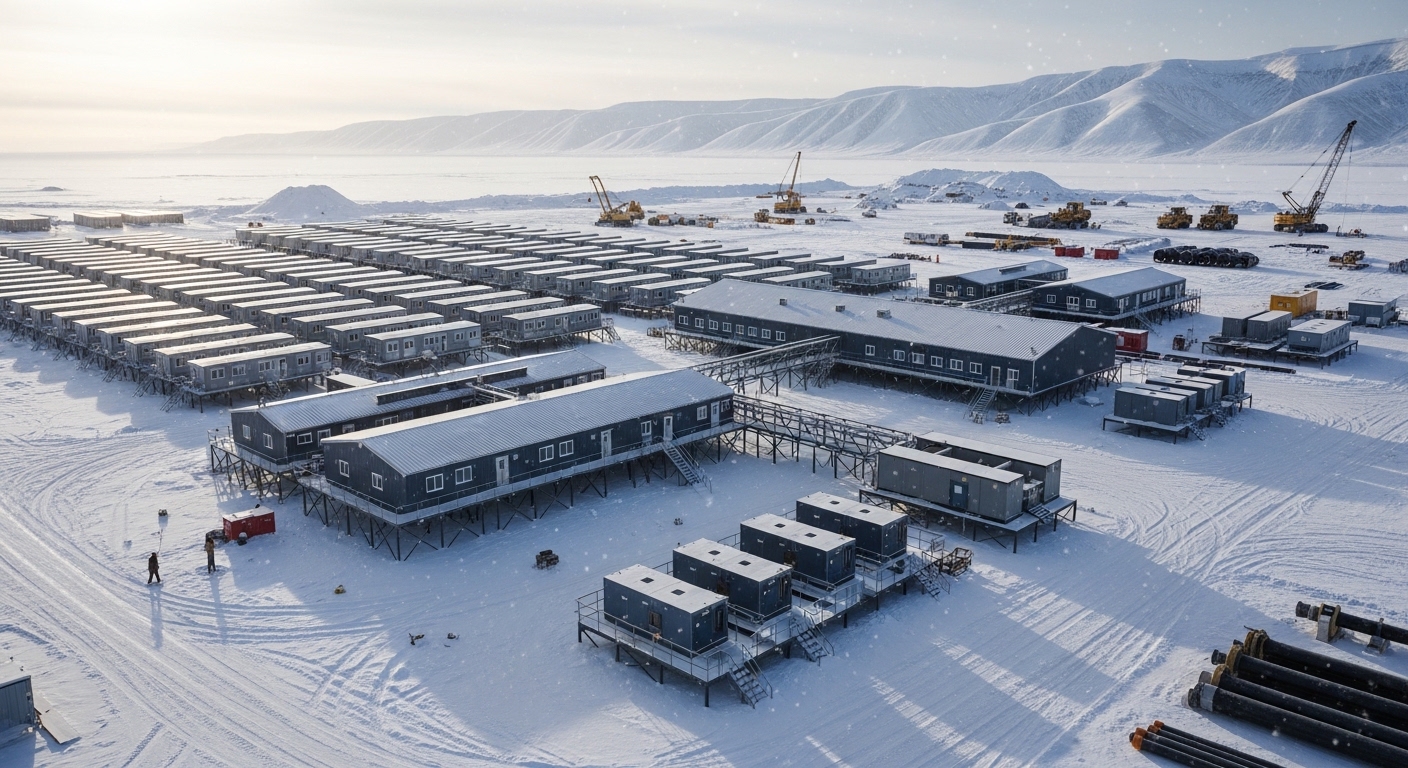
The Alaska LNG Pipeline represents one of the most complex workforce mobilization challenges in modern energy infrastructure. Stretching across approximately 800 miles from the North Slope gas fields to southern liquefaction facilities, the project requires thousands of workers operating simultaneously across remote construction spreads. Managing workforce logistics at this scale is not simply a housing challenge. It is an integrated system involving accommodation, transportation, utilities, supply chains, safety, and operational coordination.
In remote Arctic environments where temperatures can fall below −40°C and construction windows are limited, efficient workforce logistics becomes a decisive factor in maintaining project schedules. Turnkey modular infrastructure solutions provide a framework that allows energy developers and EPC contractors to streamline workforce accommodation and life support systems across the entire pipeline corridor.
The Workforce Scale of the Alaska LNG Project
Major pipeline construction projects rely on large rotating workforces consisting of multiple technical disciplines. For the Alaska LNG pipeline, thousands of personnel may be deployed across several construction spreads simultaneously.
Typical workforce categories include:
• Pipeline welding and installation crews
• Heavy equipment operators and earthmoving teams
• Inspection and quality assurance personnel
• Mechanical and electrical technicians
• Environmental monitoring teams
• Camp operations and catering staff
• Logistics coordinators and supply chain personnel
• Engineering and project management teams
At peak construction phases, a single spread can accommodate hundreds or even thousands of workers, requiring multiple workforce camps along the pipeline route.
The Logistics Complexity of Remote Pipeline Projects
Logistics for remote Arctic projects differ significantly from conventional construction sites. Workforce accommodation must function as a fully independent operational base.
Key logistical challenges include:
• Limited transportation infrastructure
• Seasonal access roads and transport routes
• Permafrost ground conditions
• Long distances between settlements
• Extreme winter weather conditions
• Strict environmental protection requirements
These factors make it difficult to rely on traditional construction methods for workforce accommodation.
Turnkey Camp Systems as a Logistics Strategy
A turnkey approach integrates design, engineering, production, transportation, installation, and commissioning into a single coordinated delivery system.
For workforce logistics, this means that accommodation infrastructure, utilities, and support facilities are delivered as a unified solution rather than fragmented construction packages.
Key components of turnkey workforce camps include:
• Worker accommodation modules
• Dining halls and kitchen facilities
• Medical and emergency treatment units
• Recreation and fitness facilities
• Laundry and sanitation buildings
• Administrative and control offices
• Workshops and maintenance buildings
• Power generation and utility systems
By delivering these elements as an integrated package, the project can reduce coordination delays and accelerate operational readiness.
Modular Construction for Remote Camp Deployment
Modular construction allows workforce housing and support facilities to be manufactured in controlled factory environments before being transported to remote locations.
This approach provides several advantages:
• Reduced on-site construction time
• Improved quality control during fabrication
• Faster installation once modules arrive on site
• Lower exposure to harsh weather conditions
• Predictable project scheduling
For large pipeline projects, modular systems allow multiple camps to be produced simultaneously while civil infrastructure is prepared in the field.
Camp Planning for Large Workforce Populations
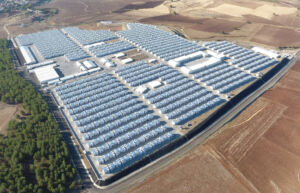
Effective workforce logistics requires careful camp master planning. Large workforce camps must balance operational efficiency with worker comfort and safety.
Important planning considerations include:
• Efficient building layouts and circulation routes
• Separation of residential and industrial zones
• Safe evacuation routes and emergency muster areas
• Centralized service facilities such as dining halls and recreation spaces
• Integrated snow management and maintenance access
Well-planned camps reduce daily travel time between facilities and support smoother operations.
Utility Infrastructure and Self-Sufficiency
Remote pipeline camps must operate independently of municipal infrastructure.
Typical utility systems include:
• Diesel or hybrid power generation systems
• District heating systems for Arctic climates
• Water treatment and potable water storage
• Wastewater treatment and sanitation systems
• Fire protection infrastructure
• Telecommunications and satellite connectivity
Prefabricated utility modules allow these systems to be installed rapidly and integrated with camp infrastructure.
Transportation and Supply Chain Coordination
Workforce logistics for the Alaska LNG project involves multiple transportation modes.
Modules and materials may be transported through:
• Ocean shipping to coastal ports
• Rail systems where available
• Long-distance trucking routes
• Seasonal ice roads or specialized transport corridors
Prefabricated modular buildings reduce the number of shipments compared to traditional construction by delivering completed structural units rather than individual building materials.
Workforce Well-Being and Operational Productivity
Remote energy projects depend heavily on workforce performance and safety. Comfortable living conditions directly influence morale, retention, and productivity.
Modern workforce camps therefore incorporate:
• Comfortable dormitory accommodation
• Heated indoor circulation corridors
• Fitness and recreation facilities
• Reliable internet and communication services
• Medical care and emergency response capability
Providing a safe and comfortable living environment supports long-term workforce stability.
Phased Deployment for Construction Spreads
Pipeline construction typically progresses along multiple spreads simultaneously. Workforce camp capacity must therefore expand and relocate as construction progresses.
Modular construction supports phased deployment strategies such as:
• Early survey and engineering camps
• Medium-capacity camps for initial construction phases
• Full-scale camps for peak workforce demand
• Relocation or demobilization once a spread is completed
This flexibility helps project developers optimize costs and adapt infrastructure to changing workforce needs.
Dorçe Prefabrik Capabilities in Large Workforce Logistics
Dorçe Prefabrik specializes in delivering integrated workforce accommodation systems through modular and prefabricated construction technologies. With decades of experience supporting energy, mining, and infrastructure projects in remote environments, Dorçe combines engineering expertise with industrialized manufacturing and global logistics coordination.
Key capabilities include:
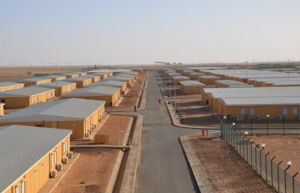
• Large-scale modular workforce housing systems
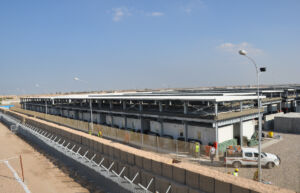
• Integrated Life Support Areas including dining, medical, recreation, and service facilities
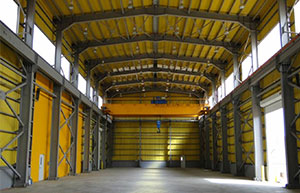
• Prefabricated steel structures engineered for extreme climates
• Off-site manufacturing enabling rapid mobilization
• Turnkey EPC delivery from design through installation and commissioning
These capabilities allow Dorçe to support complex energy infrastructure developments where workforce logistics, environmental challenges, and project scale intersect.
Dorçe-related conclusion
Managing workforce logistics for large infrastructure projects such as the Alaska LNG Pipeline requires more than traditional construction planning. It requires an integrated system capable of delivering accommodation, utilities, and support services rapidly and reliably across remote environments. Modular construction and turnkey delivery models provide the flexibility and scalability needed for such projects. Through its expertise in prefabricated modular camps, Life Support Areas, and remote infrastructure systems, Dorçe Prefabrik supports energy developers by delivering workforce accommodation solutions that streamline logistics, improve operational efficiency, and maintain project momentum in challenging environments.
Tags
Tags