
Streamlining Workforce Logistics for the Alaska LNG Pipeline: A Turnkey Approach
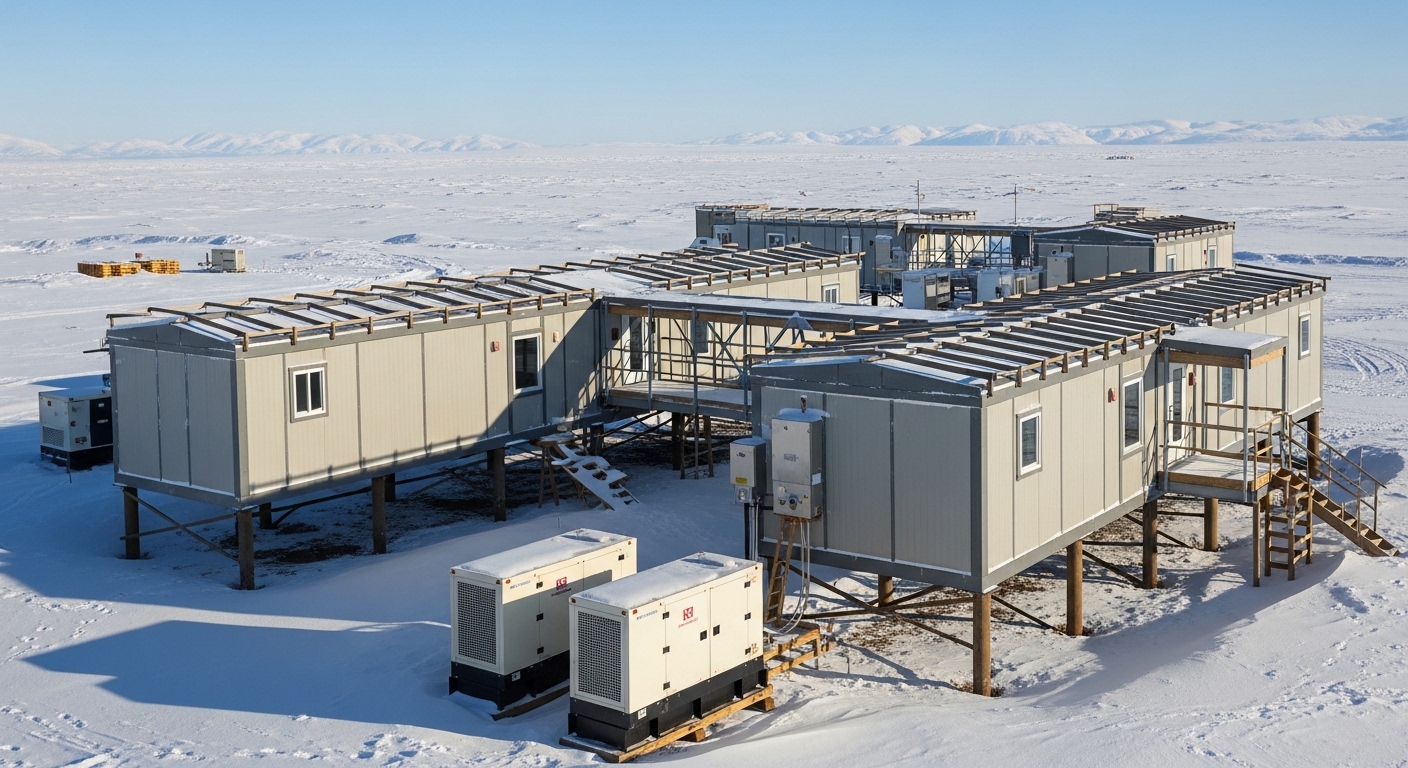
The North Slope of Alaska is one of the most demanding environments in the global energy sector. Temperatures frequently fall below −40°C, wind chill can push perceived temperatures even lower, and infrastructure must withstand extreme snow loads, ice accumulation, and permafrost ground conditions. For oil and gas developments across the North Slope, workforce accommodation must therefore be engineered far beyond conventional building standards.
Arctic-grade modular housing has emerged as the most reliable solution for delivering durable, energy-efficient, and rapidly deployable living infrastructure in such conditions. Through prefabricated modular construction, energy operators can deploy scalable accommodation systems that meet strict structural and environmental requirements while maintaining worker safety and operational continuity.
Environmental Conditions on Alaska’s North Slope
Infrastructure on the North Slope must endure a combination of extreme environmental pressures rarely found elsewhere.
Key environmental challenges include:
• Winter temperatures reaching −40°C or lower
• Continuous wind exposure across open tundra landscapes
• Heavy snow accumulation and drifting
• Ice formation on structural surfaces
• Permafrost soil conditions limiting foundation options
• Long periods of darkness during winter months
These conditions require specialized building systems that maintain structural integrity and interior thermal comfort.
Structural Engineering for Arctic Conditions
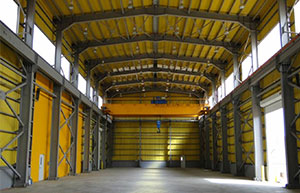
Arctic-grade modular housing relies on reinforced steel structural systems capable of handling extreme loads.
Key structural considerations include:
• High snow load roof design
• Wind-resistant structural framing
• Reinforced steel modular frames
• High-strength connection systems between modules
• Structural flexibility to handle temperature-related expansion and contraction
Prefabricated steel modular structures provide the strength necessary for Arctic climates while allowing rapid assembly on remote sites.
Foundations for Permafrost Terrain
One of the most critical engineering challenges on the North Slope is building on permafrost. Traditional foundations can cause ground thawing, leading to structural instability.
Modular housing systems often use:
• Elevated pile foundations
• Adjustable steel support structures
• Thermal isolation between building and ground
• Ventilated under-floor spaces to prevent heat transfer
Elevated structures prevent heat from the building from melting the frozen soil below.
High-Performance Insulation Systems
Thermal efficiency is essential for maintaining interior comfort and reducing energy consumption in extreme cold.
Arctic modular buildings typically incorporate:
• Thick insulated sandwich panels
• Multi-layer vapor barrier systems
• Triple-glazed windows with thermal breaks
• Insulated steel doors designed for low-temperature environments
• Continuous insulation across structural connections
These features significantly reduce heat loss and improve building energy efficiency.
Heating Systems for Arctic Workforce Housing
Unlike temperate climates, Arctic housing relies primarily on heating systems rather than cooling infrastructure.
Typical heating solutions include:
• Centralized boiler systems
• Hydronic heating distribution
• High-efficiency heat exchangers
• Backup heating redundancy for emergency situations
• Integrated building automation systems
Heating systems must be designed to operate reliably even during prolonged extreme cold.
Modular Construction Advantages in Arctic Projects
Traditional construction in Arctic environments faces severe limitations due to weather conditions and short construction seasons. Modular construction addresses these challenges by relocating most building activities to controlled factory environments.
Advantages include:
• Reduced on-site labor exposure to extreme weather
• Faster installation once modules arrive on site
• Improved quality control during fabrication
• Parallel construction scheduling between factory and site preparation
• Reduced project delays caused by seasonal weather windows
These advantages are particularly valuable for remote oil and gas projects where infrastructure must be operational quickly.
Logistics and Transport to Remote Locations
Transporting construction materials to Alaska’s North Slope requires careful logistical planning. Modular construction simplifies this process by consolidating building components into complete structural units.
Transportation routes may involve:
• Ocean freight to northern ports
• Rail transportation where available
• Long-distance trucking routes
• Specialized heavy transport for oversized modules
By delivering pre-assembled building units, modular systems reduce the number of shipments required for camp construction.
Workforce Camps as Arctic Micro-Cities
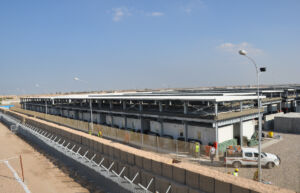
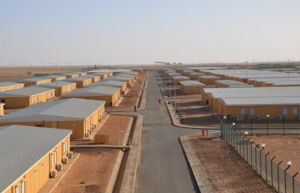
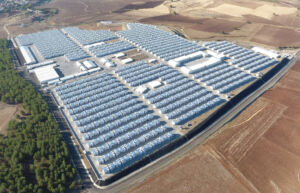
Large oil and gas projects on the North Slope often require accommodation for hundreds or thousands of workers. Workforce housing must therefore be integrated into larger camp systems.
These camps typically include:
• Dormitory accommodation buildings
• Dining halls and industrial kitchens
• Recreation and fitness facilities
• Medical clinics and emergency care units
• Laundry and sanitation buildings
• Administrative offices and meeting spaces
• Utility infrastructure such as power plants and water treatment systems
The result is a fully self-contained operational base capable of supporting long-term remote operations.
Energy Efficiency and Sustainability
Energy consumption is a critical concern in Arctic camps where fuel must often be transported over long distances.
Energy-efficient building design helps reduce operational costs through:
• High-performance building envelopes
• Reduced heating demand
• Smart energy monitoring systems
• Efficient mechanical systems
• Integration with renewable energy technologies where feasible
Reducing energy consumption also lowers environmental impact in fragile Arctic ecosystems.
Safety and Habitability Standards
Arctic housing must also meet strict safety and habitability standards to protect workers in remote environments.
Key considerations include:
• Fire protection and emergency evacuation planning
• Redundant heating and power systems
• Indoor air quality management
• Secure building connections during extreme winds
• Structural resilience against snow accumulation
Ensuring safe living conditions is essential for maintaining workforce health and productivity.
Dorçe Prefabrik Capabilities in Extreme Climate Modular Housing
Dorçe Prefabrik has extensive experience delivering modular and prefabricated construction solutions for energy, mining, and infrastructure projects in challenging environments. The company integrates engineering, manufacturing, and logistics expertise to deliver workforce accommodation systems that perform reliably under extreme conditions.
Key capabilities include:
• Arctic and extreme climate modular building engineering
• Scalable workforce housing systems for large energy projects
• Integrated Life Support Areas including dining, medical, and recreation facilities
• Prefabricated steel modular structures with high insulation performance
• Off-site manufacturing enabling rapid deployment
• Turnkey EPC delivery from design to commissioning
Through industrialized construction methods, Dorçe can deliver durable housing systems that support large-scale energy developments in remote regions.
Dorçe-related conclusion
The North Slope presents one of the most demanding construction environments in the world, where infrastructure must withstand extreme cold, heavy snow loads, and permafrost terrain. Arctic-grade modular housing provides a practical and reliable solution by combining structural resilience with energy-efficient building design. Through modular construction and integrated project delivery, Dorçe Prefabrik supports energy operators by delivering scalable workforce accommodation systems capable of meeting the strict performance standards required for Arctic oil and gas operations.
Tags
Tags