
Remote Mining Camps in Alaska: Modular Construction for Isolated Exploration Sites
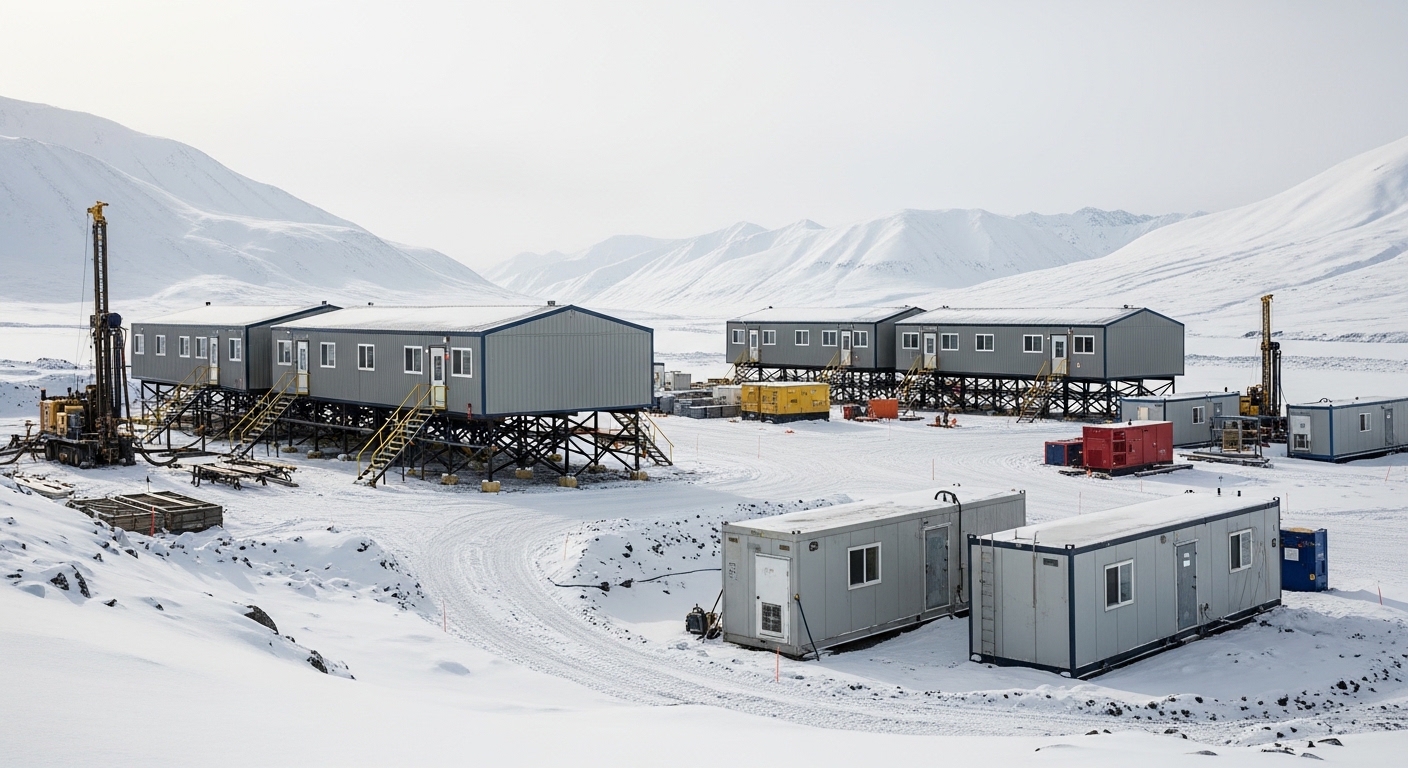
Alaska hosts some of the most resource-rich mining regions in the world, yet many of these deposits are located in extremely remote and environmentally challenging locations. Exploration and early-stage mining operations often take place far from established towns, road networks, or utilities. In such conditions, workforce accommodation and operational infrastructure must be deployed rapidly, operate independently, and withstand extreme environmental conditions.
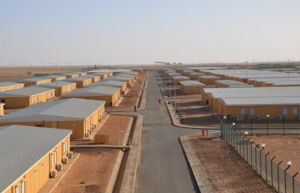
Modular construction has become one of the most effective methods for building remote mining camps in Alaska. Prefabricated modular buildings allow mining companies to establish safe, efficient, and scalable operational bases in isolated exploration sites while minimizing environmental impact and construction timelines.
The Operational Realities of Remote Mining Exploration
Mining exploration projects typically begin in locations with minimal infrastructure. Geologists, drilling crews, engineers, and logistics personnel must operate in temporary camps that support continuous fieldwork.
A typical exploration camp must accommodate:
• Geological survey teams
• Drilling crews and technicians
• Environmental monitoring personnel
• Maintenance and mechanical staff
• Logistics coordinators and supply personnel
• Camp operations staff including catering and medical support
These camps must function as fully independent operational bases capable of supporting remote teams for extended periods.
Challenges of Isolated Mining Locations in Alaska
Mining camps in Alaska often face some of the most demanding operating conditions in the mining industry.
Key challenges include:
• Extreme winter temperatures
• Permafrost ground conditions
• Limited road access or seasonal transport routes
• High wind and snow loads
• Remote supply chain logistics
• Strict environmental protection regulations
Traditional construction approaches struggle in such environments due to weather delays, labor shortages, and transportation difficulties.
Modular Construction as a Strategic Solution
Prefabricated modular construction shifts most building activity from the remote project site to controlled factory environments. This approach significantly reduces the time and labor required for on-site construction.
Key advantages include:
• Faster installation in remote locations
• Reduced exposure of workers to harsh weather conditions
• Improved construction quality and consistency
• Reduced material waste and environmental disturbance
• Simplified transportation and logistics
For mining exploration projects where timelines are critical, modular systems enable rapid camp deployment and faster operational readiness.
Scalable Camp Infrastructure for Exploration Projects
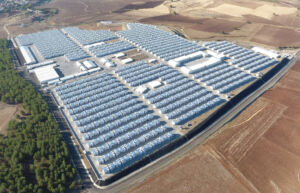
Mining exploration projects often begin with small teams but can expand rapidly if promising deposits are discovered. Camp infrastructure must therefore be scalable.
Modular camps can support phased expansion such as:
• Initial scout camps for geological surveys
• Medium-scale camps for drilling operations
• Larger workforce camps for early-stage mine development
• Expanded accommodation for full-scale mining operations
This flexibility allows infrastructure to grow alongside project needs without requiring complete reconstruction.
Structural Design for Arctic and Sub-Arctic Conditions
Mining camps in Alaska must withstand harsh climatic conditions. Structural design plays a critical role in ensuring durability and safety.
Key design considerations include:
• Reinforced steel structural frames
• High snow load roof systems
• Wind-resistant building envelopes
• Elevated foundations protecting permafrost
• High-performance insulation systems
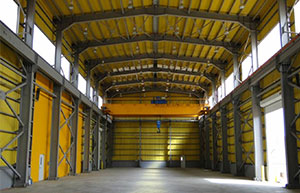
Prefabricated steel modular structures provide both strength and flexibility while allowing rapid assembly in remote environments.
Utility Systems for Self-Sufficient Camps
Remote mining camps must operate independently from municipal infrastructure. Utility systems are therefore integrated into camp design.
Essential systems typically include:
• Diesel generator power plants
• Central heating systems for cold climates
• Water purification and storage systems
• Wastewater treatment facilities
• Fire protection infrastructure
• Satellite communication and data networks
Modular utility units allow these systems to be delivered as pre-engineered packages that can be installed quickly.
Logistics and Transportation Strategy
Transporting materials and equipment to remote mining sites in Alaska requires careful planning. Modular construction reduces logistical complexity by delivering completed building units rather than individual construction materials.
Transport methods may include:
• Marine shipping to coastal ports
• Rail transport where available
• Long-distance trucking routes
• Air transport for urgent equipment and personnel
By reducing the number of individual shipments required, modular construction improves supply chain efficiency.
Worker Safety and Living Conditions
Mining camps must provide safe and comfortable living conditions to support workforce productivity in isolated environments.
Modern modular camps often include:
• Dormitory-style accommodation buildings
• Dining facilities and industrial kitchens
• Recreation and relaxation areas
• Medical clinics and first-aid stations
• Laundry and hygiene facilities
• Reliable communication systems
Comfortable living conditions help maintain worker morale and support long-term project operations.
Environmental Responsibility
Mining projects in Alaska operate under strict environmental regulations designed to protect fragile ecosystems. Modular construction supports environmental compliance through several mechanisms.
Benefits include:
• Reduced ground disturbance during construction
• Less construction waste compared to traditional building methods
• Relocatable infrastructure that can be removed after project completion
• Improved energy efficiency through insulated building systems
These factors help mining companies minimize environmental impact while maintaining operational efficiency.
Dorçe Prefabrik Capabilities for Remote Mining Infrastructure
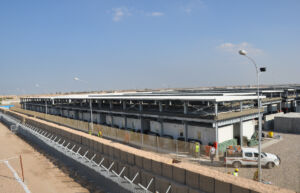
Dorçe Prefabrik specializes in delivering modular and prefabricated construction systems for large-scale industrial and energy projects in remote environments. The company integrates engineering, manufacturing, logistics planning, and installation into a coordinated project delivery model.
Key capabilities include:
• Modular workforce accommodation camps
• Integrated Life Support Areas including dining, medical, and recreation facilities
• Prefabricated steel structures designed for extreme climates
• Off-site manufacturing enabling rapid project mobilization
• Turnkey EPC delivery from design through commissioning
These capabilities allow Dorçe to support complex mining exploration projects where logistics, climate conditions, and workforce requirements intersect.
Dorçe-related conclusion
Remote mining operations in Alaska require infrastructure that can be deployed quickly, operate reliably in extreme climates, and expand as exploration progresses. Modular construction offers a practical solution by relocating construction activities to controlled factory environments while enabling rapid installation at isolated sites. Through integrated design, engineering, manufacturing, and logistics coordination, Dorçe Prefabrik provides scalable modular camp solutions that support mining exploration projects, ensuring safe workforce accommodation and efficient operations in some of the most challenging environments on earth.
Tags
Tags