
Top 10 Considerations for Modular Construction in Sub-Arctic Remote Environments
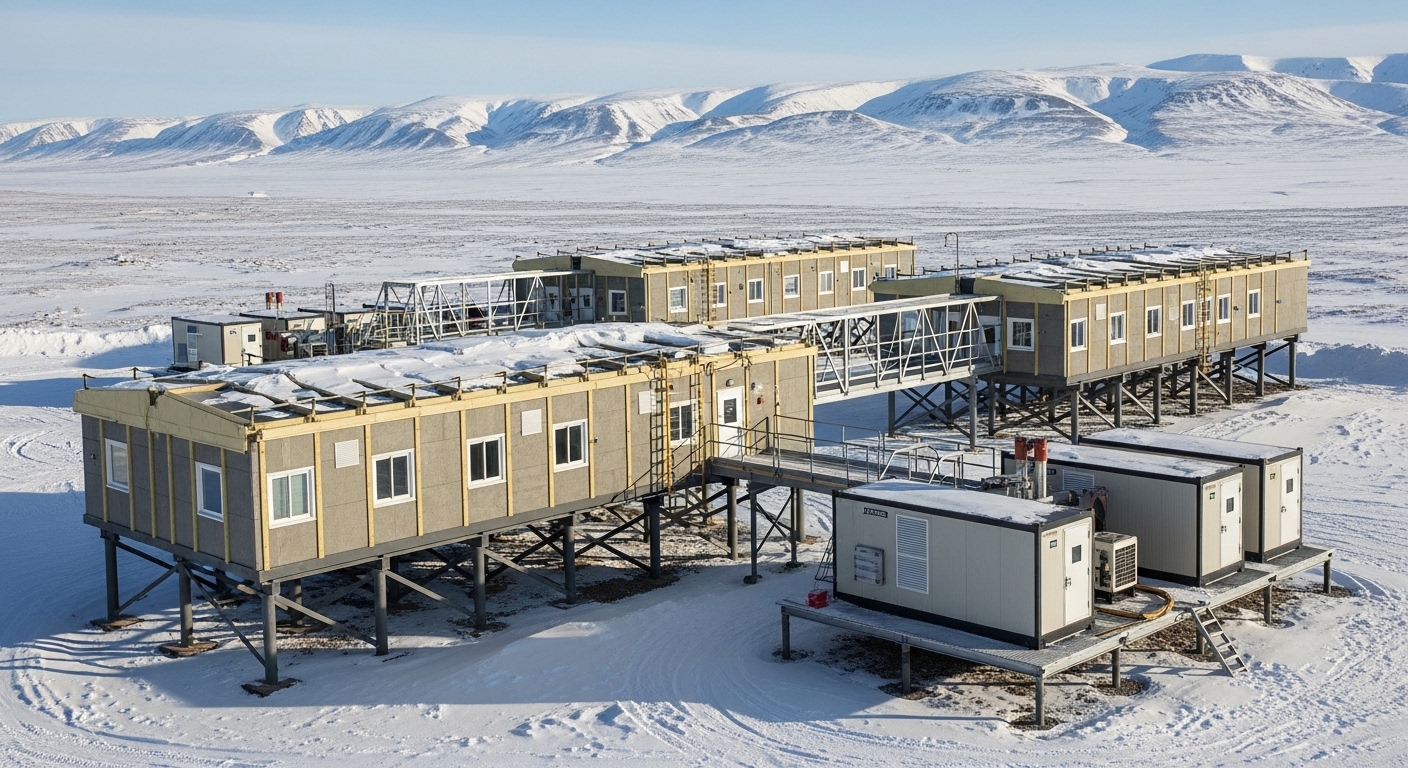
Sub-Arctic regions present a unique set of engineering, logistical, and operational challenges for infrastructure development. Areas such as northern Alaska, northern Canada, Siberia, and parts of Scandinavia experience extreme cold, limited infrastructure access, seasonal construction windows, and highly sensitive ecosystems. For projects in mining, oil and gas, telecommunications, and scientific research, infrastructure must be reliable, rapidly deployable, and capable of functioning independently.
Modular construction has become one of the most effective solutions for these environments because it allows buildings to be manufactured off-site and installed quickly in remote locations. However, successful deployment requires careful planning and engineering tailored to Sub-Arctic conditions. Below are the ten most important considerations when designing and deploying modular infrastructure in remote cold-climate environments.
1. Structural Engineering for Extreme Climate Loads
Sub-Arctic structures must be engineered to withstand heavy snow loads, strong winds, and thermal stresses caused by large temperature fluctuations.
Key design factors include:
• Reinforced steel structural systems
• Roof designs capable of shedding snow effectively
• Structural joints designed for thermal expansion and contraction
• Wind load resistance suitable for open tundra landscapes
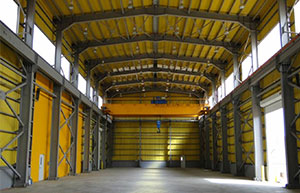
Prefabricated steel modular buildings provide strong structural performance while maintaining flexibility for rapid assembly.
2. Permafrost and Foundation Design
Many Sub-Arctic regions contain permafrost soils that remain frozen year-round. Conventional foundations can cause thawing, which leads to ground instability.
Common foundation solutions include:
• Elevated pile foundations
• Adjustable steel support frames
• Thermally isolated foundation systems
• Ventilated crawl spaces preventing ground warming
Elevating buildings above the ground allows cold air circulation and helps maintain permafrost stability.
3. High-Performance Thermal Insulation
Energy efficiency is essential because heating systems must operate continuously in cold climates.
Effective insulation systems typically include:
• Insulated sandwich panel walls
• Multi-layer vapor barriers
• High-performance insulation materials
• Airtight building envelopes
These features reduce heat loss and improve energy efficiency, which is critical when fuel must be transported long distances.
4. Reliable Heating Systems
Heating systems must operate reliably in extreme cold and often require redundancy to ensure continuous operation.
Typical heating solutions include:
• Hydronic heating systems
• High-efficiency boilers
• Backup heating units
• Smart building automation systems
Redundant heating infrastructure protects workers and prevents operational disruptions.
5. Logistics and Transportation Planning
Remote Sub-Arctic sites often have limited transportation routes and seasonal access windows. Logistics planning must account for long-distance shipping and restricted delivery schedules.
Transport strategies may involve:
• Marine shipping to regional ports
• Rail transportation where available
• Long-distance trucking along remote highways
• Air transport for urgent equipment and personnel
Modular construction reduces logistics complexity by delivering pre-assembled building units instead of individual materials.
6. Construction Season Limitations
In Sub-Arctic environments, construction seasons are often limited to short summer windows. Traditional building methods may not be able to complete projects before winter returns.
Modular construction addresses this issue by:
• Shifting most construction activities to factory environments
• Allowing parallel work between site preparation and module production
• Enabling rapid installation once modules arrive on site
This approach significantly reduces exposure to seasonal delays.
7. Self-Sufficient Utility Infrastructure
Remote camps often operate without access to municipal utilities. Infrastructure must therefore be capable of supporting independent operations.
Key utility systems include:
• Diesel or hybrid power generation systems
• Water purification and storage facilities
• Wastewater treatment systems
• Fire protection infrastructure
• Satellite communications and internet connectivity
Prefabricated utility modules allow these systems to be installed quickly.
8. Worker Safety and Living Conditions
Personnel working in remote environments must have safe and comfortable living conditions. Workforce well-being directly affects productivity and retention.
Modern modular camps often include:
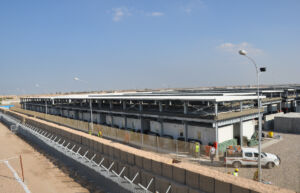
• Dormitory accommodation buildings
• Dining facilities and kitchens
• Recreation and relaxation spaces
• Medical clinics and emergency care units
• Reliable communication systems
Comfortable living conditions help support long-term operations in isolated regions.
9. Environmental Protection and Regulatory Compliance
Sub-Arctic ecosystems are extremely sensitive to environmental disturbance. Infrastructure must comply with strict environmental regulations.
Sustainable construction practices include:
• Minimizing ground disturbance
• Reducing construction waste
• Using relocatable infrastructure systems
• Improving energy efficiency to reduce fuel consumption
Modular construction is particularly suited for these requirements because it reduces on-site activity and allows structures to be relocated after project completion.
10. Scalability and Flexibility
Many Sub-Arctic projects begin with small exploration teams but may expand into large industrial operations. Infrastructure must therefore be scalable.
Modular construction supports phased expansion through:
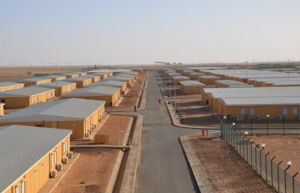
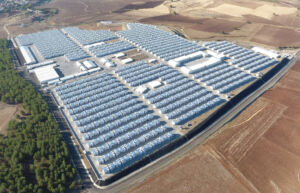
• Expandable camp layouts
• Additional accommodation modules
• Relocatable utility infrastructure
• Flexible building configurations
This scalability allows infrastructure to grow alongside project needs.
Dorçe-related conclusion
Infrastructure development in Sub-Arctic environments requires engineering solutions that address extreme climate conditions, logistical constraints, and environmental protection requirements. Modular construction provides a highly effective approach by enabling rapid deployment, energy-efficient building systems, and scalable infrastructure. Through integrated design, engineering, manufacturing, and logistics coordination, Dorçe Prefabrik delivers modular solutions capable of supporting mining, energy, and infrastructure projects operating in remote Sub-Arctic regions, ensuring reliable workforce accommodation and operational continuity in challenging environments.
Tags
Tags