
Overcoming Logistics Hurdles in Alaska: The Modular Advantage for Infrastructure Development
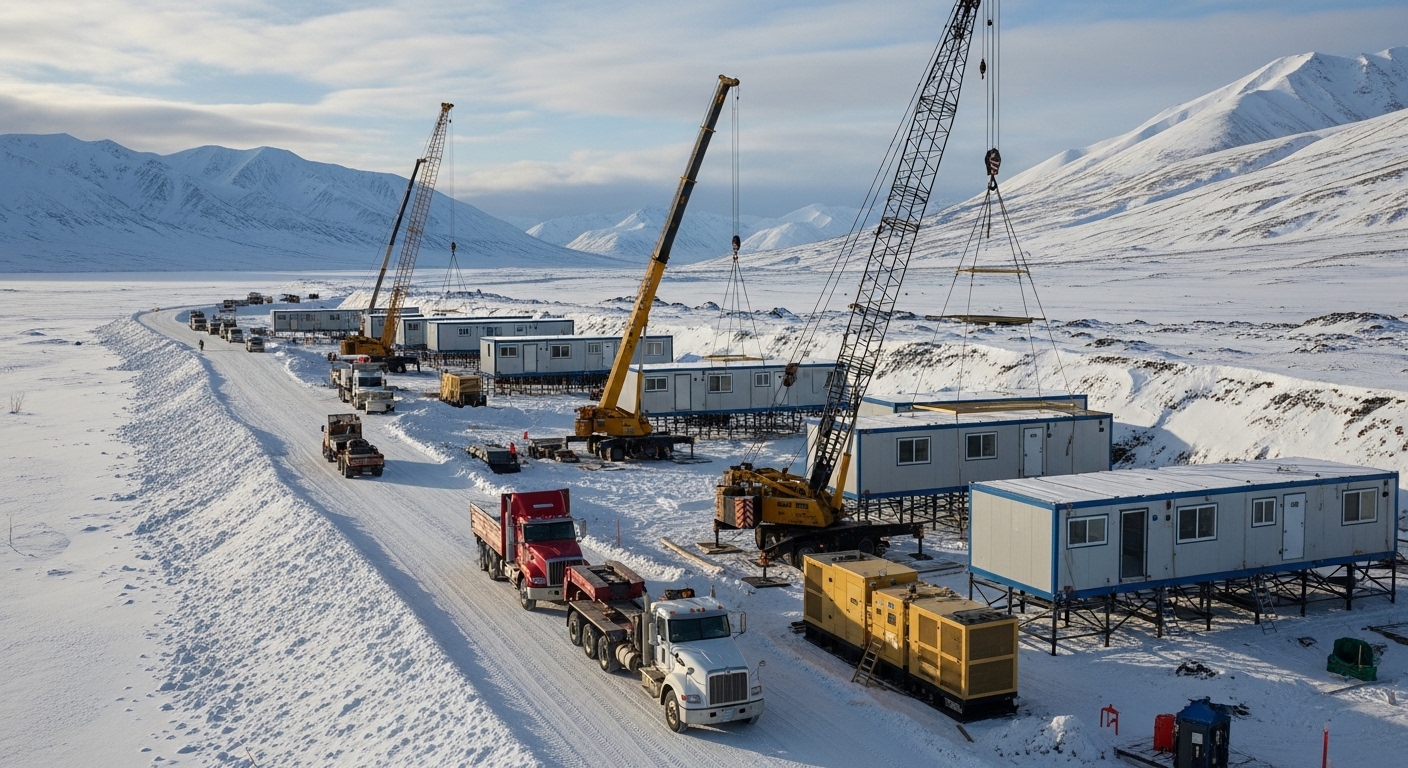
Infrastructure development in Alaska faces logistical challenges unlike those encountered in most other regions of the world. Large distances between settlements, limited transportation networks, extreme weather conditions, and seasonal accessibility create significant barriers to conventional construction methods. For industries such as oil and gas, mining, telecommunications, and transportation infrastructure, overcoming these logistical hurdles is essential to maintaining project schedules and controlling costs.
Modular construction provides a powerful solution for addressing these challenges. By shifting much of the construction process to controlled factory environments and transporting finished building modules to remote sites, developers can dramatically improve project efficiency, reduce risk, and accelerate infrastructure deployment in Alaska’s remote regions.
The Unique Logistics Landscape of Alaska
Alaska’s geography presents complex logistical constraints for infrastructure projects. Vast distances and limited road networks often separate project sites from manufacturing centers and supply hubs.
Major logistical challenges include:
• Limited highway and rail infrastructure
• Long distances between population centers
• Remote project sites accessible only by air or seasonal roads
• Harsh winter conditions affecting transport routes
• High costs associated with transporting construction materials
These challenges increase both the time and cost required for conventional construction.
Transportation Constraints and Seasonal Access
Many infrastructure projects in Alaska must rely on seasonal transportation routes. Winter ice roads, river barges, and specialized heavy transport corridors are often used to move equipment and materials to remote areas.
Transportation methods may include:
• Ocean shipping to Alaska’s coastal ports
• Rail transport where available
• Long-distance trucking across limited highway networks
• Air transport for urgent materials and personnel
Because of these constraints, careful logistics planning is essential to ensure that construction materials arrive at the correct time.
Modular Construction and Logistics Efficiency
Modular construction significantly simplifies logistics by reducing the number of individual materials that must be transported to a project site. Instead of shipping thousands of separate components, prefabricated modules are delivered as complete structural units.
Advantages include:
• Fewer shipments required for building construction
• Reduced on-site labor requirements
• Simplified logistics coordination
• Faster installation once modules arrive on site
• Improved construction quality through factory fabrication
These advantages make modular construction particularly valuable for remote infrastructure projects.
Off-Site Manufacturing and Parallel Construction
One of the greatest benefits of modular construction is the ability to perform building fabrication off-site while site preparation activities are underway.
This parallel construction process allows:
• Foundation and site grading work to proceed simultaneously with building fabrication
• Reduced project timelines
• Greater schedule predictability
• Reduced exposure to weather delays
In remote environments where construction seasons may be limited, this time-saving advantage can be critical.
Workforce Accommodation for Remote Projects
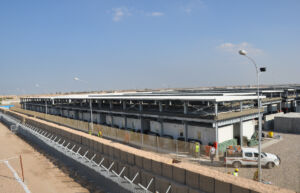
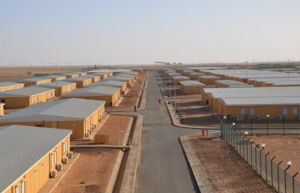
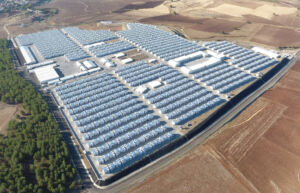
Large infrastructure projects often require workforce accommodation camps to house workers in remote areas. Modular construction provides an efficient solution for building these camps quickly.
Typical modular camp facilities include:
• Worker dormitory buildings
• Dining halls and kitchens
• Recreation facilities and fitness centers
• Medical clinics and emergency care units
• Laundry and sanitation buildings
• Administrative offices and meeting spaces
By delivering these facilities as prefabricated modules, camps can become operational much faster.
Structural Design for Extreme Climate Conditions
Infrastructure in Alaska must be designed to withstand harsh environmental conditions including extreme cold, high winds, and heavy snow loads.
Key structural considerations include:
• Reinforced steel modular structures
• High snow load roof systems
• Wind-resistant structural frames
• High-performance thermal insulation
• Elevated foundations for permafrost protection
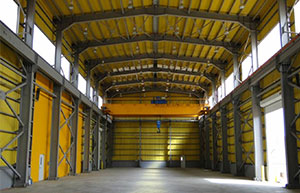
Prefabricated steel modular buildings provide the durability required for such environments while maintaining flexibility for transport and installation.
Utility Systems for Self-Sufficient Camps
Remote infrastructure projects require utility systems capable of operating independently from municipal networks.
Modular utility infrastructure often includes:
• Diesel or hybrid power generation systems
• Central heating systems for cold climates
• Water purification and storage systems
• Wastewater treatment facilities
• Fire protection infrastructure
• Communications and data systems
These systems can be delivered as prefabricated units that integrate easily with camp infrastructure.
Environmental Considerations
Alaska’s ecosystems are extremely sensitive, and infrastructure development must minimize environmental impact. Modular construction supports environmental protection through:
• Reduced ground disturbance during installation
• Lower construction waste
• Energy-efficient building envelopes
• Relocatable infrastructure that can be removed after project completion
These advantages help developers meet regulatory requirements while protecting natural habitats.
Cost Efficiency and Risk Reduction
Logistics challenges often drive project costs in remote regions. Modular construction helps control costs by reducing logistical complexity and construction time.
Financial benefits include:
• Reduced labor costs on site
• Lower transportation costs due to consolidated shipments
• Shorter construction schedules
• Reduced exposure to weather-related delays
Improved schedule certainty also reduces the financial risks associated with large infrastructure projects.
Dorçe Prefabrik Capabilities for Remote Infrastructure
Dorçe Prefabrik specializes in modular and prefabricated construction solutions designed for remote industrial environments. The company combines engineering expertise, industrial manufacturing capacity, and global logistics coordination to support infrastructure development in challenging locations.
Key capabilities include:
• Modular workforce accommodation camps
• Integrated Life Support Areas including dining, medical, and recreation facilities
• Prefabricated steel structures engineered for extreme climates
• Off-site manufacturing enabling rapid project mobilization
• Turnkey EPC delivery from design through installation and commissioning
These capabilities allow Dorçe to support energy, mining, and infrastructure projects requiring reliable construction solutions in remote environments.
Dorçe-related conclusion
Infrastructure development in Alaska requires construction approaches capable of overcoming significant logistical challenges. Modular construction offers a strategic advantage by shifting building fabrication to controlled factory environments and enabling rapid installation in remote locations. Through advanced prefabricated modular construction and integrated project delivery, Dorçe Prefabrik provides infrastructure solutions that reduce logistical complexity, accelerate project timelines, and support reliable operations across Alaska’s most challenging environments.
Tags
Tags