
Modular Steel vs. Traditional Construction: Solving the Workforce Housing Shortage in Alaska
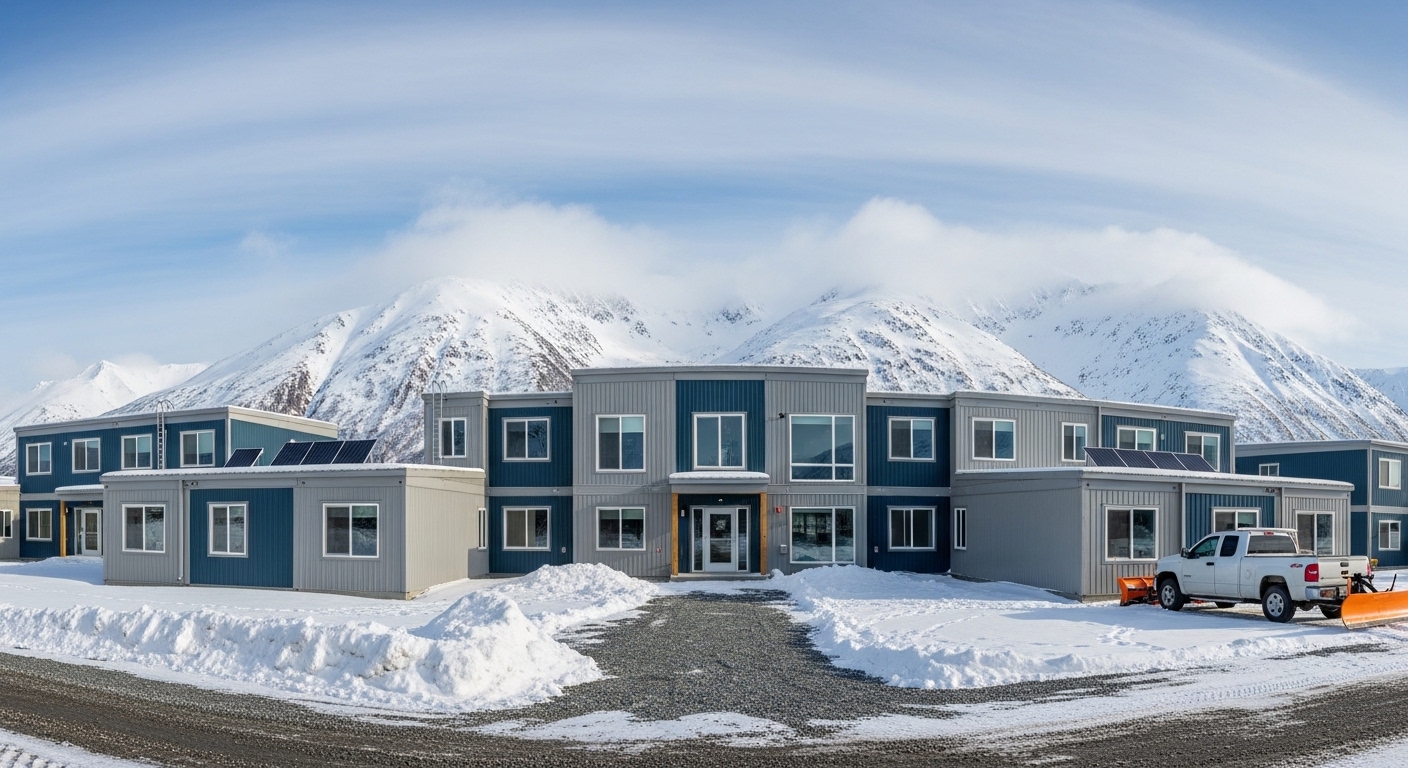
Alaska’s rapid expansion in energy, mining, infrastructure, and resource development projects has created a growing demand for workforce accommodation across the state. Remote operations on the North Slope, emerging mining districts, pipeline developments, and exploration projects require reliable housing for thousands of workers. However, traditional construction methods often struggle to keep pace with this demand due to logistical challenges, extreme weather conditions, and limited construction seasons.
Modular steel construction has emerged as one of the most effective solutions to address Alaska’s workforce housing shortage. By combining prefabricated building systems with industrialized manufacturing processes, modular steel buildings provide faster delivery timelines, improved durability, and greater scalability compared to traditional construction approaches.
The Workforce Housing Challenge in Alaska
Workforce housing shortages in Alaska stem from a combination of geographic and economic factors. Many resource development projects take place in remote regions far from established communities, requiring companies to build dedicated accommodation infrastructure.
Key drivers of housing demand include:
• Oil and gas developments on the North Slope
• Expansion of gold and copper mining operations
• Pipeline and energy infrastructure projects
• Infrastructure upgrades in remote communities
• Seasonal workforce fluctuations
Meeting this demand requires construction systems that can be deployed quickly and expanded as project needs evolve.
Limitations of Traditional Construction
Traditional construction methods rely heavily on on-site labor, extensive material deliveries, and long construction timelines. In Alaska’s remote environments, these requirements can create significant delays.
Challenges associated with traditional construction include:
• Limited construction seasons due to harsh winter weather
• High labor costs in remote locations
• Long transportation distances for building materials
• Increased risk of weather-related delays
• Higher levels of construction waste
These factors often make conventional building methods slow and expensive for remote workforce housing projects.
The Advantages of Modular Steel Construction
Modular steel construction addresses many of the challenges associated with traditional building methods by shifting most construction activities to controlled factory environments.
Key advantages include:
• Faster project completion timelines
• Reduced on-site labor requirements
• Improved construction quality and consistency
• Greater predictability in project schedules
• Lower exposure to weather-related delays
Prefabricated steel modules can be manufactured simultaneously with site preparation work, allowing projects to progress more efficiently.
Speed of Deployment
One of the most important benefits of modular construction is speed. Workforce housing must often be deployed quickly to support project mobilization.
Modular steel buildings enable:
• Rapid production of accommodation units in factories
• Faster transportation and installation on site
• Parallel construction processes between factory and project site
This accelerated timeline allows workforce camps to become operational significantly sooner than traditional buildings.
Structural Durability in Extreme Conditions
Alaska’s harsh climate requires buildings capable of withstanding extreme environmental conditions. Steel modular structures provide superior durability compared to many traditional building materials.
Structural benefits include:
• High resistance to heavy snow loads
• Wind-resistant steel structural frames
• Durable exterior cladding systems
• Long service life in extreme climates
These features make modular steel buildings well suited for Arctic and Sub-Arctic environments.
Energy Efficiency and Thermal Performance
Heating costs represent a major operational expense in Alaska. Energy-efficient building systems are essential for reducing fuel consumption and maintaining comfortable indoor environments.
Modular steel buildings incorporate advanced insulation systems such as:
• Insulated sandwich panel wall systems
• High-performance thermal insulation materials
• Airtight construction techniques
• Energy-efficient windows and doors
These systems improve thermal performance and reduce energy consumption in remote camps.
Logistics Advantages in Remote Regions
Transportation logistics are a major factor in construction projects across Alaska. Delivering traditional construction materials to remote sites often requires numerous shipments.
Modular construction simplifies logistics through:
• Consolidated transport of completed modules
• Reduced number of deliveries to the project site
• Simplified construction staging
• Faster installation once modules arrive
This logistical efficiency helps reduce both project costs and environmental impact.
Scalability for Growing Workforce Needs
Resource development projects often experience rapid workforce expansion as they move from exploration to construction and production phases. Modular construction provides a scalable housing solution that can grow alongside project demand.
Expandable modular camps allow for:
• Additional accommodation modules to be installed as needed
• Expansion of dining, recreation, and medical facilities
• Flexible camp layouts adaptable to workforce size
This scalability allows companies to manage workforce growth without rebuilding infrastructure.
Environmental and Sustainability Benefits
Sustainability is an important consideration for projects operating in Alaska’s sensitive ecosystems. Modular construction offers several environmental advantages compared to traditional building methods.
Environmental benefits include:
• Reduced construction waste
• Less ground disturbance during installation
• Improved energy efficiency
• Relocatable infrastructure that can be reused at other sites
These features help companies meet environmental regulations and sustainability goals.
Dorçe Prefabrik Capabilities in Workforce Housing Solutions
Dorçe Prefabrik specializes in delivering modular steel construction solutions for large industrial and infrastructure projects. With decades of experience in remote and challenging environments, Dorçe combines engineering expertise, industrial manufacturing capacity, and global logistics capabilities.
Core capabilities include:
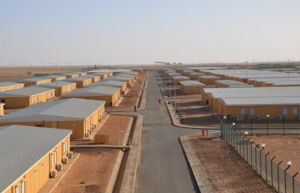
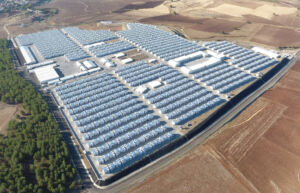
• Modular workforce accommodation camps
• Integrated Life Support Areas including dining, medical, and recreation facilities
• Prefabricated steel modular structures designed for extreme climates
• Off-site manufacturing enabling rapid project mobilization
• Turnkey EPC delivery from design through installation and commissioning
These capabilities allow Dorçe to support projects requiring large-scale workforce housing solutions in remote environments.
Addressing Alaska’s workforce housing shortage requires construction solutions capable of overcoming logistical constraints, extreme climate conditions, and rapidly changing workforce demands. Modular steel construction provides a practical alternative to traditional building methods by enabling faster deployment, improved durability, and greater scalability. Through advanced prefabricated modular construction and integrated project delivery, Dorçe Prefabrik delivers workforce accommodation systems that support energy, mining, and infrastructure projects while ensuring reliable housing solutions in Alaska’s most challenging environments.
Tags
Tags