
Energy-Efficient Modular Camps: Integrating Microgrids and ESG for Alaska Projects
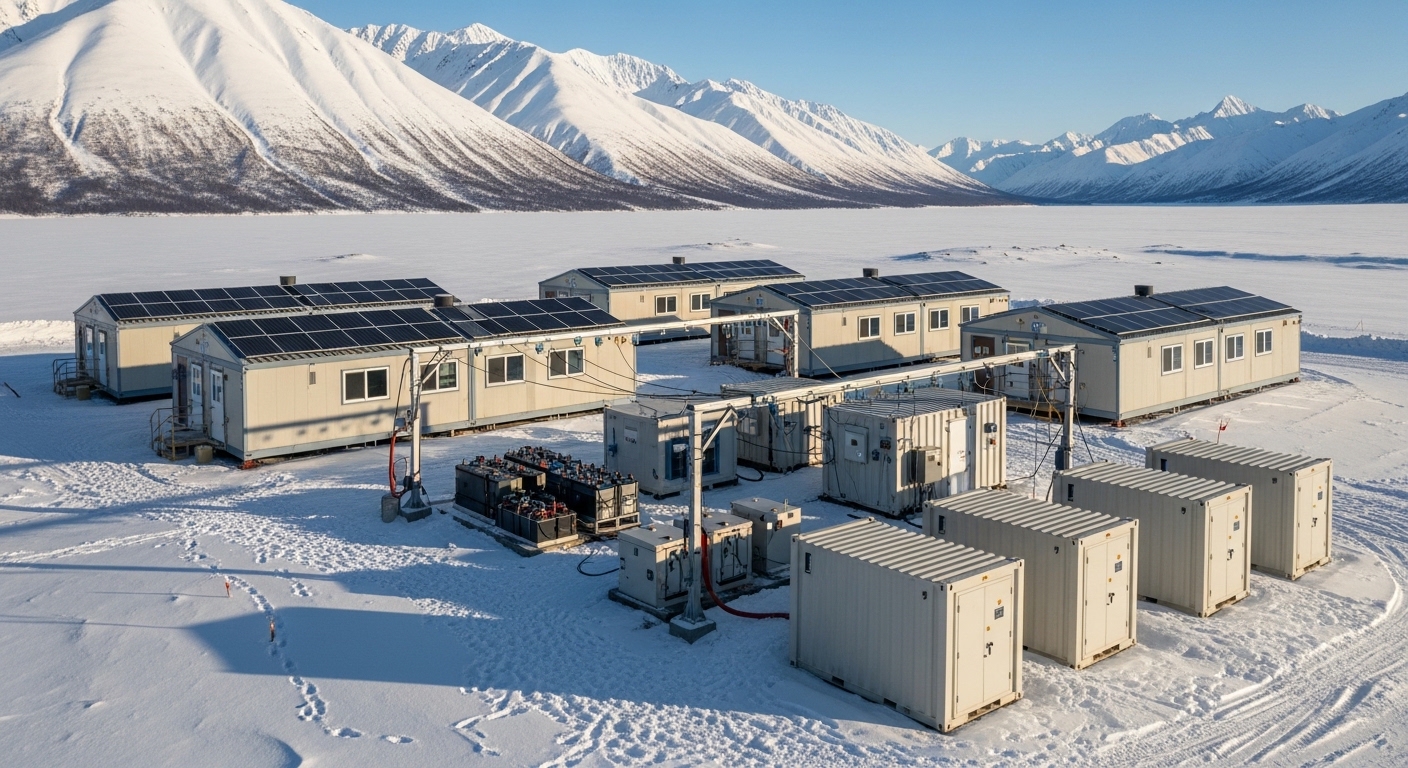
Alaska’s remote energy, mining, pipeline, and infrastructure developments require workforce accommodation systems that do more than provide shelter. In isolated project zones where diesel dependency, harsh climate, and long supply chains drive both cost and environmental exposure, camp infrastructure must be designed as an operational energy system. This is why energy-efficient modular camps are becoming increasingly important for Alaska projects. By combining prefabricated modular construction with microgrids, intelligent load management, and ESG-aligned planning, project developers can reduce fuel consumption, improve resilience, and strengthen long-term project performance.
In remote Alaska, camp design is no longer only about speed of installation. It is about how efficiently the camp performs over time.
Why Energy Efficiency Matters in Alaska Camps
Remote camps in Alaska often function as self-contained settlements. They must support accommodation, dining, sanitation, medical services, recreation, communications, and technical operations without relying on municipal infrastructure.
This means camps typically require:
• Continuous electricity generation
• Reliable heating in extreme cold
• Water treatment and pumping systems
• Wastewater management
• Communications and IT systems
• Lighting and safety systems
In many cases, a large share of camp operating cost is tied directly to energy use. Every reduction in power demand lowers fuel transport frequency, generator run hours, maintenance requirements, and emissions.
The Limits of Diesel-Only Camp Infrastructure
Diesel generation remains common in remote Alaska, but diesel-only systems create several operational challenges.
Key issues include:
• High fuel transport costs
• Increased weather-related delivery risk
• Greater maintenance burden on generators
• Carbon-intensive operations
• Noise and local air quality concerns
• Exposure to fuel price volatility
For camps that operate through long winters and across large workforce populations, diesel dependency can become a major operational constraint rather than a stable utility solution.
Modular Construction as the Foundation of Energy Performance
Energy-efficient camp strategy begins with the building itself. Prefabricated modular buildings are particularly effective because they are produced in controlled environments with higher precision and more consistent quality than traditional site-built structures.
This supports:
• Better insulation continuity
• Improved airtightness
• Lower thermal bridging
• Faster installation with fewer field errors
• Better repeatability across large camp populations
In Alaska, where heating demand dominates energy use, envelope performance is critical. A poorly insulated camp will consume excessive fuel regardless of how advanced the power system is.
High-Performance Building Envelope Design
For Arctic and Sub-Arctic camps, the building envelope is the first energy system. High-performance modular camps typically incorporate:
• Insulated sandwich panel wall systems
• Reinforced, highly insulated roof assemblies
• Triple-glazed windows with thermal breaks
• Airtight door systems
• Vapor control layers suited to cold climates
These features reduce heating demand, stabilize indoor temperature, and improve worker comfort, especially during prolonged winter operations.
What a Microgrid Means in a Remote Camp
A microgrid is a localized energy system that can generate, distribute, manage, and optimize power within the camp. In remote Alaska, this often means integrating several technologies rather than relying on a single generator source.
A camp microgrid may include:
• Diesel generator sets
• Solar photovoltaic systems
• Battery energy storage systems
• Intelligent switchgear and controls
• Load management software
• Backup redundancy logic
The goal is not necessarily to eliminate diesel entirely. The goal is to reduce waste, smooth peak loads, improve resilience, and create a more efficient energy profile.
The Role of Battery Energy Storage
Battery energy storage systems are especially valuable in modular camps because they improve overall energy stability.
Benefits include:
• Reduced generator cycling
• Better peak demand management
• Improved integration of solar energy
• Lower fuel consumption during low-load periods
• Increased resilience during transient outages
In practical terms, battery storage allows the camp to operate more intelligently. Instead of running multiple generators inefficiently, the system can balance loads and optimize output according to real demand.
Solar Integration in Alaska Projects
Solar energy in Alaska may appear counterintuitive due to long winters, but seasonal integration can still provide substantial value, especially during extended daylight periods and summer construction phases.
Solar can support:
• Daytime load reduction
• Battery charging
• Office and accommodation auxiliary systems
• Reduced generator dependence during peak daylight windows
Even partial renewable integration improves fuel efficiency and supports ESG targets, particularly when deployed as part of a larger hybrid microgrid strategy.
Heating Strategy and Thermal Load Management
In Alaska camps, heating is often the dominant energy load. Sustainable camp design must therefore address not only electricity generation, but also heat efficiency.
Effective strategies include:
• Zoned heating controls
• Heat recovery ventilation systems
• High-efficiency boiler or hydronic systems
• Occupancy-based control logic
• Reduced heat loss through compact modular layouts
When buildings are engineered properly, the heating system becomes smaller, more reliable, and less expensive to operate.
ESG Considerations in Remote Camp Planning
ESG in remote camp infrastructure is not just about reporting language. It directly influences how camps are designed, operated, and perceived by investors, regulators, partners, and surrounding communities.
Environmental priorities
• Lower fuel consumption and emissions
• Reduced construction waste through off-site manufacturing
• Reduced land disturbance through modular installation
• More efficient water and waste systems
• Potential integration of renewable energy sources
Social priorities
• Better indoor comfort and living standards
• Improved air quality and thermal stability
• Safer and healthier workforce accommodation
• Recreation, medical, and welfare facilities that support well-being
Governance priorities
• Transparent energy performance tracking
• Better documentation and traceability
• Integrated compliance through turnkey delivery
• Stronger lifecycle planning and asset management
This makes modular camps an important platform for practical ESG implementation rather than a theoretical sustainability exercise.
Why Turnkey Delivery Matters for Microgrid Camps
Energy-efficient camps only perform well when building systems, utilities, and controls are designed together. A fragmented procurement model often leads to poor integration between the accommodation units, utility modules, and energy systems.
A turnkey approach helps align:
• Building envelope performance
• Mechanical and electrical loads
• Generator sizing
• Battery storage logic
• Solar integration
• Utility distribution and commissioning
For large remote camps, this coordination reduces energy waste and improves speed to operation.
Scalability for Different Project Phases
Alaska projects rarely stay the same size throughout their lifecycle. Exploration camps may begin with 50 people and later grow into construction or operations camps for hundreds or thousands.
A scalable modular system allows:
• Additional accommodation blocks
• Expansion of dining and welfare facilities
• Integration of larger power and storage systems
• Phased utility growth without redesigning the entire camp
This is particularly important when project financing and workforce demand evolve in stages.
Dorçe Prefabrik Capabilities in Energy-Efficient Camp Systems
Dorçe Prefabrik approaches modular camps as integrated infrastructure rather than isolated buildings. For remote and energy-intensive environments, this means designing accommodation, utilities, and support facilities as one coordinated system.
Relevant capabilities include:
• High-performance prefabricated modular accommodation for extreme climates
• Integrated Life Support Areas including dining, recreation, medical, and hygiene buildings
• Utility modules compatible with hybrid energy systems
• Camp layouts optimized for phased expansion
• Turnkey EPC coordination from design to installation
• Off-site production that supports quality, speed, and lower field risk
This integrated model supports projects seeking both operational efficiency and stronger ESG performance in remote regions.
For Alaska’s remote energy, mining, and infrastructure projects, camp performance is increasingly defined by energy efficiency as much as by speed of deployment. Modular construction creates the right platform for this shift by improving building envelope quality, reducing on-site waste, and enabling fast integration of microgrids, battery storage, and renewable support systems. Through a coordinated approach to prefabricated accommodation, utility infrastructure, and turnkey delivery, Dorçe Prefabrik helps project developers build modular camps that are more resilient, more efficient, and better aligned with modern ESG expectations in demanding Arctic and Sub-Arctic environments.
Tags
Tags