
How Modular Construction Supports ConocoPhillips’ Willow Project Infrastructure
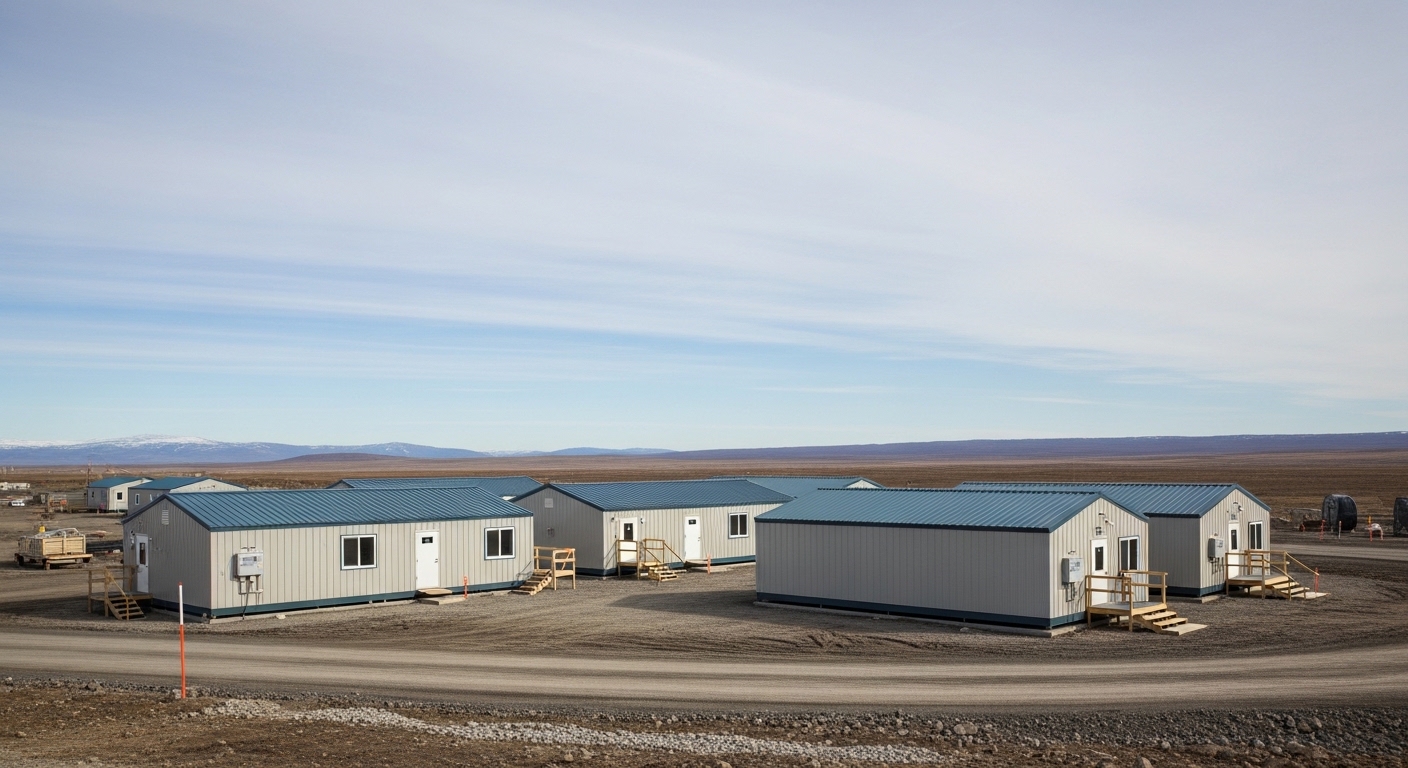
Large-scale oil developments in Arctic environments demand infrastructure that can be deployed quickly, perform reliably in extreme conditions, and scale with project needs. On Alaska’s North Slope, the Willow Project led by ConocoPhillips represents one of the most significant new oil developments in the United States. The project requires extensive infrastructure including drilling pads, processing facilities, transportation networks, and workforce accommodation systems capable of supporting thousands of personnel during construction and operational phases.
Because construction seasons in the Arctic are limited and logistics are complex, modular construction has become a critical strategy for supporting infrastructure deployment. Prefabricated modular systems enable faster mobilization, reduce on-site construction risks, and provide scalable infrastructure solutions that align with the demanding timelines of large oil field developments such as Willow.
What is Modular Construction in Arctic Energy Infrastructure
Modular construction refers to a building approach in which major structural components are manufactured in controlled factory environments and then transported to the project site for assembly. Instead of constructing facilities entirely on-site, prefabricated modules arrive ready for installation, significantly reducing field construction activities.
In Arctic energy projects, modular construction is widely used to deliver a range of infrastructure elements.
Typical modular infrastructure components include:
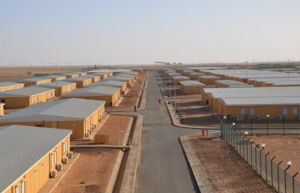
• Workforce accommodation buildings
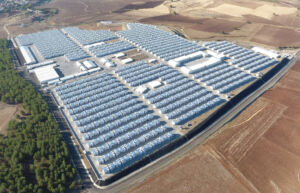
• Life Support Areas supporting large workforce populations
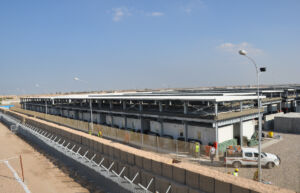
• Administrative and operational office facilities
• Dining halls and catering buildings
• Medical clinics and emergency response units
• Utility modules for power generation and water systems
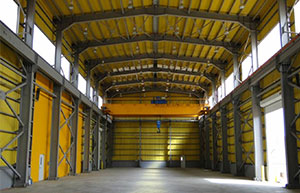
• Technical equipment shelters and storage units
These facilities often operate as fully integrated settlements that support remote industrial operations.
Advantages
Modular construction offers several key advantages for complex oil field developments operating in remote Arctic environments.
• Accelerated infrastructure deployment
Factory-based manufacturing allows buildings to be produced simultaneously with site preparation activities. This parallel workflow significantly reduces the time required to establish operational infrastructure.
• Reduced construction risk in harsh climates
Arctic weather conditions can disrupt traditional construction activities. Prefabrication shifts much of the construction work away from weather-sensitive field environments.
• Improved quality and structural performance
Controlled manufacturing environments enable precise fabrication and consistent quality control, which is especially important for buildings exposed to extreme cold, snow loads, and high winds.
• Logistical efficiency
Prefabricated modules consolidate building components into transportable units, simplifying transportation planning and reducing the number of shipments required for remote construction sites.
• Scalability for large workforce populations
Modular systems allow accommodation capacity and support facilities to expand as project workforce requirements change throughout construction and operational phases.
These advantages make modular construction a practical and reliable solution for energy infrastructure projects operating under strict timelines and environmental constraints.
Usage Areas
Modular construction supports multiple aspects of infrastructure development for large oil field projects such as the Willow development on Alaska’s North Slope.
Key applications include:
• Workforce housing settlements supporting construction crews
• Life Support Areas providing dining, recreation, and medical services
• Administrative and project management offices
• Utility and power generation buildings
• Technical equipment shelters and storage units
• Remote monitoring and communications facilities
Because these facilities must operate reliably in isolated environments, modular systems provide both the durability and flexibility required for long-term operations.
Dorçe Prefabrik has extensive experience delivering modular construction solutions for large-scale industrial projects in remote environments. Through advanced prefabricated steel building technologies, integrated engineering capabilities, and turnkey EPC delivery, Dorçe develops modular infrastructure systems that support energy, mining, and infrastructure developments worldwide. By combining factory-based production with efficient logistics planning and rapid installation methods, Dorçe enables large industrial projects to establish reliable workforce accommodation and support infrastructure even in challenging Arctic conditions.
Tags
Tags