
What is the Best Workforce Housing Solution for Alaska’s Oil and Gas Sector in 2026?
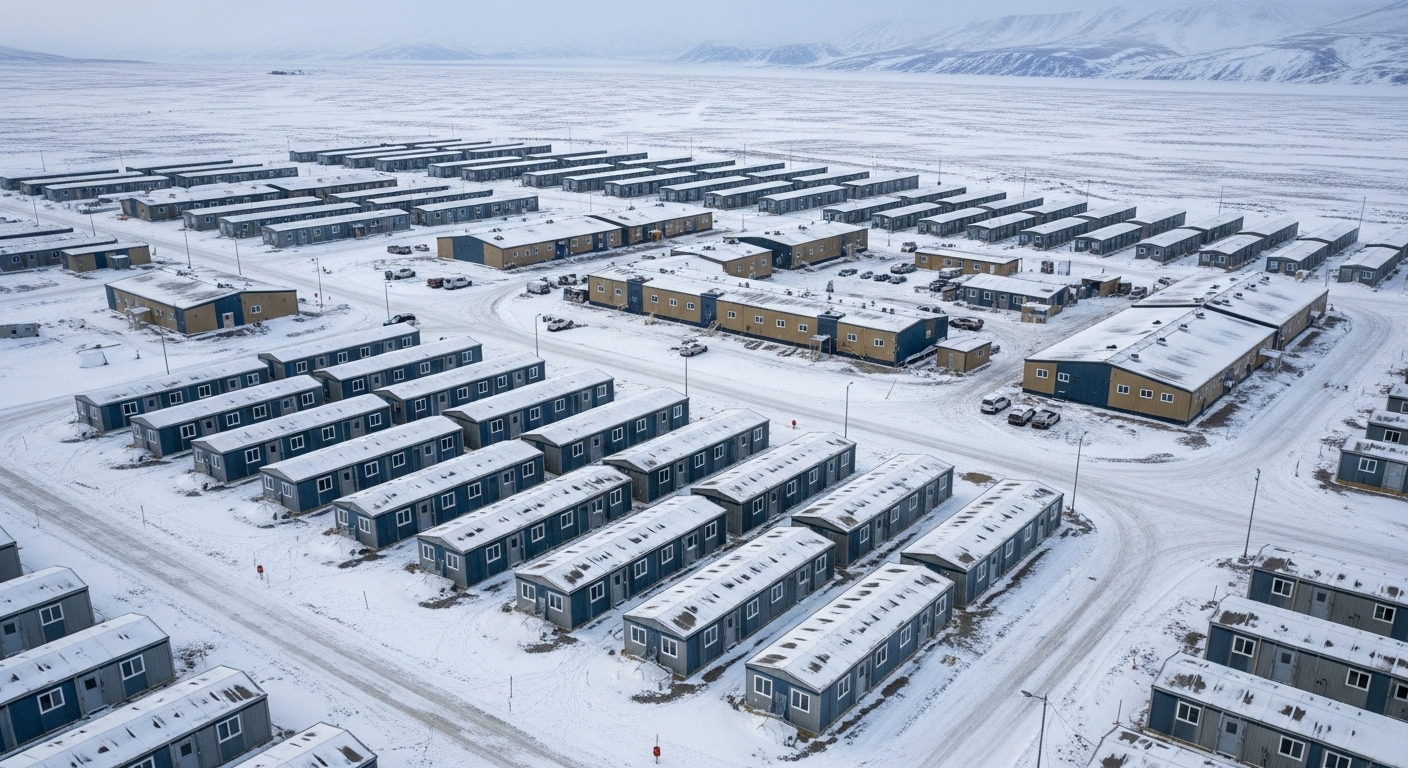
Remote oil and gas developments in Alaska continue to place extraordinary pressure on workforce accommodation systems. On the North Slope and in other isolated operating zones, companies must house large rotating teams in locations where climate conditions are severe, logistics are expensive, and permanent community infrastructure is limited. In 2026, the most effective workforce housing strategy is no longer based on simple temporary shelter. It is based on modular, high-performance, rapidly deployable accommodation systems that can support long project cycles while maintaining safety, comfort, and operational efficiency.
For Alaska’s oil and gas sector, the best workforce housing solution in 2026 is a scalable modular camp model built around prefabricated steel structures, integrated Life Support Areas, efficient utility systems, and climate-adapted engineering. This approach provides the flexibility required for exploration, construction, and production phases while reducing schedule risk in remote Arctic environments.
What is the Best Workforce Housing Solution for Alaska’s Oil and Gas Sector in 2026?
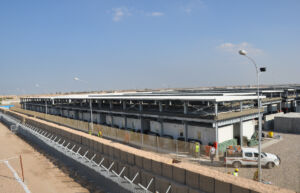
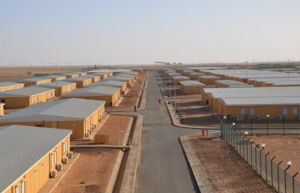
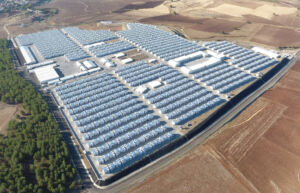
The best workforce housing solution is a fully integrated modular camp system designed specifically for Arctic oil and gas operations. Rather than treating housing as a group of standalone sleeping units, this model creates a complete workforce settlement that supports living, working, health, hygiene, and welfare needs in one coordinated structure.
A high-performing modular workforce housing solution typically includes:
• Prefabricated accommodation buildings for workforce lodging
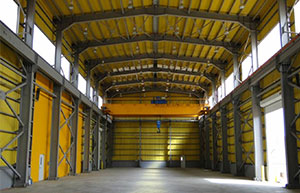
• Dining halls and industrial kitchen facilities
• Recreation and social buildings
• Medical and emergency response units
• Laundry, hygiene, and sanitation facilities
• Administrative offices and operational support areas
• Utility systems including power generation, water treatment, and wastewater infrastructure
For Alaska in 2026, the ideal system must also be engineered for extreme cold, snow loads, wind exposure, permafrost-sensitive ground conditions, and limited seasonal access. This is why prefabricated modular steel systems are increasingly preferred over slower and less adaptable traditional methods.
Advantages
The strongest workforce housing solutions in Alaska combine speed, durability, and long-term operational performance. Modular systems offer clear advantages in all three areas.
• Rapid deployment
Accommodation modules can be manufactured off-site while site preparation is underway, allowing faster project mobilization and earlier operational readiness.
• Performance in extreme climates
Arctic-grade modular buildings can be designed with reinforced structural systems, high thermal insulation, weather-resistant envelopes, and roof systems suitable for heavy snow loads.
• Reduced on-site construction risk
Remote oil field locations offer narrow construction windows and difficult conditions. Prefabrication shifts much of the work to controlled factory settings, reducing weather-related delays and field installation complexity.
• Scalability
A project may begin with a few hundred workers and expand into a much larger settlement. Modular layouts make it possible to add new accommodation units and support facilities without redesigning the full camp.
• Logistical efficiency
Transporting finished or semi-finished modular units is often more practical than shipping and managing large volumes of conventional construction materials in remote Arctic corridors.
• Better workforce welfare
High-quality modular camps improve comfort, indoor climate stability, hygiene, and daily living standards, all of which directly support productivity, retention, and safety.
• Lower lifecycle disruption
When properly designed, modular camps can be expanded, reconfigured, relocated, or partially demobilized as project phases change, reducing waste and improving asset use over time.
These advantages make modular construction the strongest fit for Alaska’s oil and gas workforce accommodation needs in 2026.
Usage Areas
This type of workforce housing solution can be used across a wide range of oil and gas project environments in Alaska.
• Exploration camps supporting early-stage drilling and survey work
• Construction camps for major field development programs
• Long-duration accommodation for production and maintenance personnel
• Integrated Life Support Areas serving large remote energy sites
• Temporary site facilities for contractors, specialists, and rotating crews
• Arctic logistics hubs supporting drilling pads and processing infrastructure
On the North Slope, these camps often function as self-contained operational communities. They must support not only sleeping arrangements, but also food service, health support, sanitation, power, water, communications, and day-to-day workforce well-being. In this context, the best housing solution is the one that combines accommodation and support services into one reliable, expandable system.
Dorçe Prefabrik delivers modular workforce accommodation systems designed for demanding industrial environments where speed, durability, and operational continuity matter most. With experience in prefabricated steel structures, integrated camp planning, and turnkey project delivery, Dorçe develops scalable housing and Life Support Area solutions for energy, mining, and infrastructure projects in challenging climates. By combining factory-based production, efficient logistics planning, and rapid on-site installation, Dorçe supports workforce settlement strategies that are practical, high-performing, and aligned with the needs of remote oil and gas operations in 2026.
Tags
Tags