
Blast-Resistant Modular Buildings for Upstream Oil & Gas Operations in Alaska
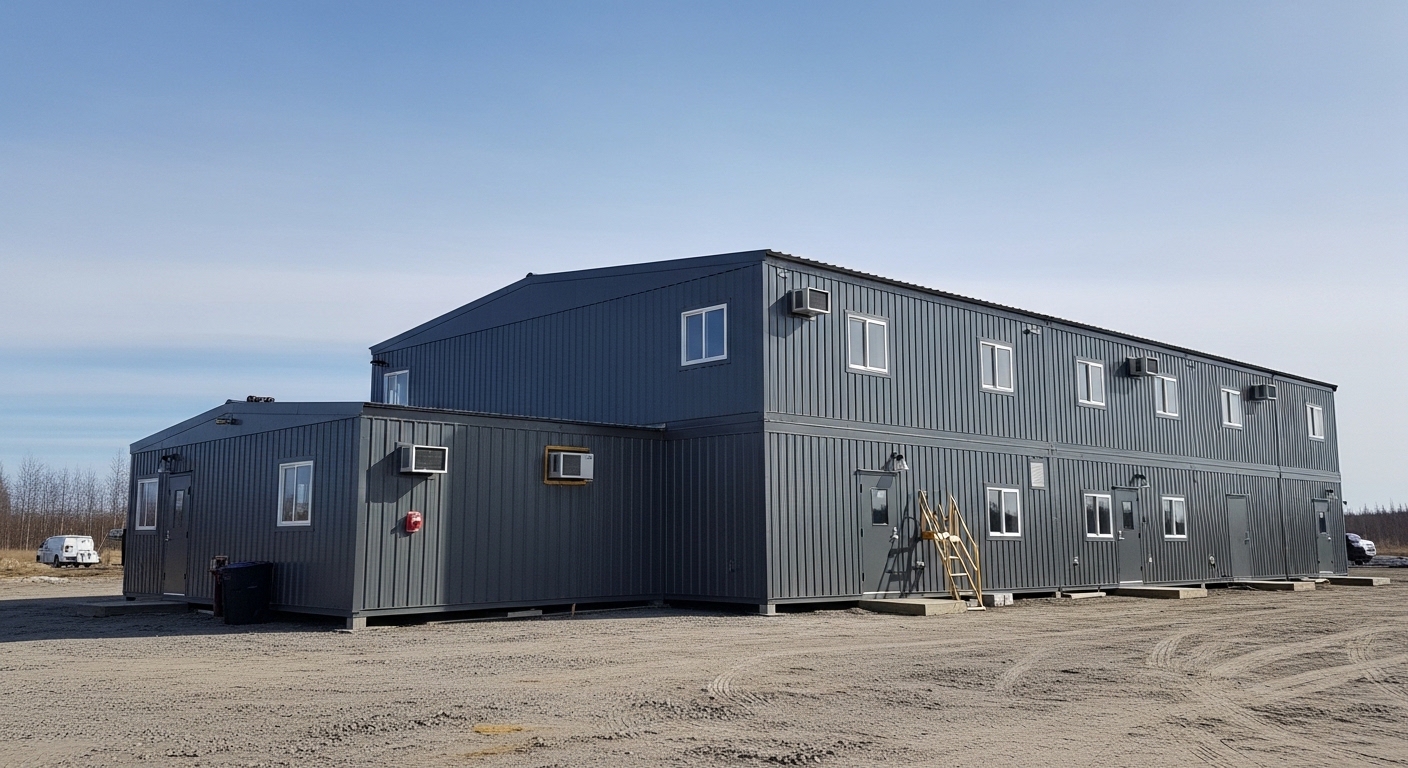
Upstream oil and gas operations in Alaska’s North Slope operate in demanding environments where both environmental conditions and operational risks must be carefully managed. Drilling pads, production facilities, processing units, and temporary operational sites require infrastructure that can withstand extreme Arctic weather while also ensuring personnel safety in the event of industrial incidents. In such environments, blast-resistant modular buildings play an important role in protecting workers and maintaining operational continuity.
Blast-resistant modular structures are engineered to withstand pressure waves generated by accidental explosions, equipment failures, or industrial incidents that may occur in upstream operations. By integrating reinforced structural systems, energy-absorbing materials, and specialized design methodologies, these buildings provide critical protection for personnel working in high-risk industrial zones. When combined with prefabricated modular construction techniques, blast-resistant buildings can be deployed quickly in remote oil fields while maintaining strict safety and engineering standards.
What are Blast-Resistant Modular Buildings
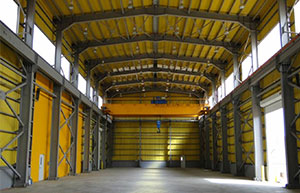
Blast-resistant modular buildings are prefabricated steel structures designed to mitigate the impact of explosive overpressure events. These buildings are engineered to absorb and redistribute blast forces in a controlled manner, protecting occupants and reducing structural damage.
In upstream oil and gas operations, blast-resistant buildings are often used for facilities where personnel must remain close to operational equipment and processing systems.
Typical blast-resistant modular facilities include:
• Operational control rooms for drilling and production monitoring
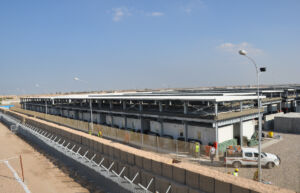
• Administrative and engineering offices near production sites
• Safety and emergency coordination centers
• Maintenance and technical support buildings
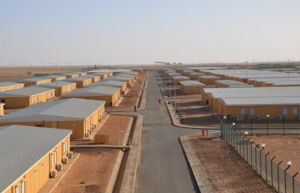
• Accommodation units for personnel working near industrial zones
These buildings are typically constructed using reinforced steel frames, impact-resistant wall systems, and specialized structural design techniques that improve resilience under blast loads.
Advantages
Blast-resistant modular construction offers several advantages for energy infrastructure projects operating in remote and hazardous industrial environments.
• Enhanced personnel safety
Blast-resistant buildings are designed to reduce the risk of injury by absorbing blast forces and preventing structural collapse during accidental explosion events.
• Rapid deployment for remote sites
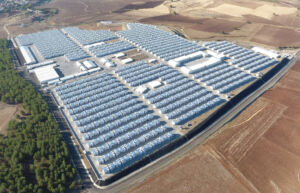
Prefabricated modular production allows blast-resistant buildings to be manufactured off-site and transported quickly to remote oil field locations.
• Engineered structural resilience
Advanced structural design methods allow blast loads to be distributed through reinforced steel frames, reducing damage and improving building stability.
• Reduced operational downtime
In the event of an industrial incident, blast-resistant infrastructure helps maintain operational continuity by protecting critical control rooms and operational staff.
• Durability in Arctic climates
Prefabricated steel buildings can be engineered to withstand heavy snow loads, strong winds, and extreme cold temperatures typical of Alaska’s North Slope.
• Flexible relocation and scalability
Modular systems allow buildings to be relocated or expanded as drilling operations shift to new locations.
These advantages make blast-resistant modular buildings an important component of safety infrastructure in modern oil and gas developments.
Usage Areas
Blast-resistant modular buildings are widely used across upstream oil and gas operations where personnel must work close to equipment that presents potential industrial hazards.
Common applications include:
• Drilling pad control rooms and operational offices
• Production facility control centers
• Maintenance workshops and technical support buildings
• Emergency response coordination facilities
• Workforce accommodation units located near operational zones
In Alaska’s North Slope oil developments, these buildings help operators meet safety requirements while maintaining operational efficiency in remote environments where rapid evacuation may not always be feasible.
Dorçe Prefabrik provides modular construction solutions for energy and industrial projects operating in challenging environments worldwide. Through advanced prefabricated steel building technologies, integrated engineering capabilities, and turnkey EPC project delivery, Dorçe develops modular infrastructure systems designed for safety-critical operations. By combining robust structural engineering with efficient factory-based manufacturing and rapid installation methods, Dorçe enables blast-resistant operational buildings to be deployed quickly while maintaining high standards of safety, durability, and performance.
Tags
Tags