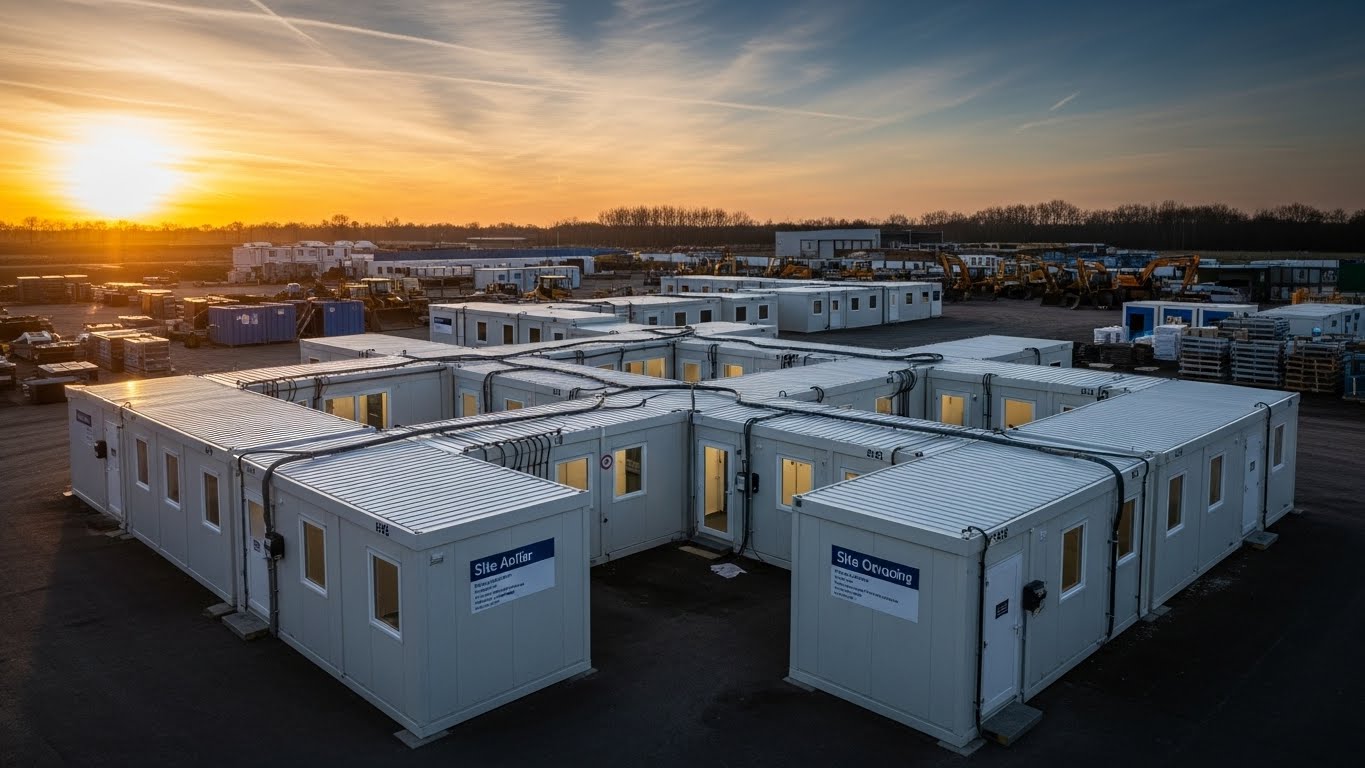
Logistics of Life: Delivering Turnkey Container Cities for International NGOs

2025-12-26T11:43:03+03:00

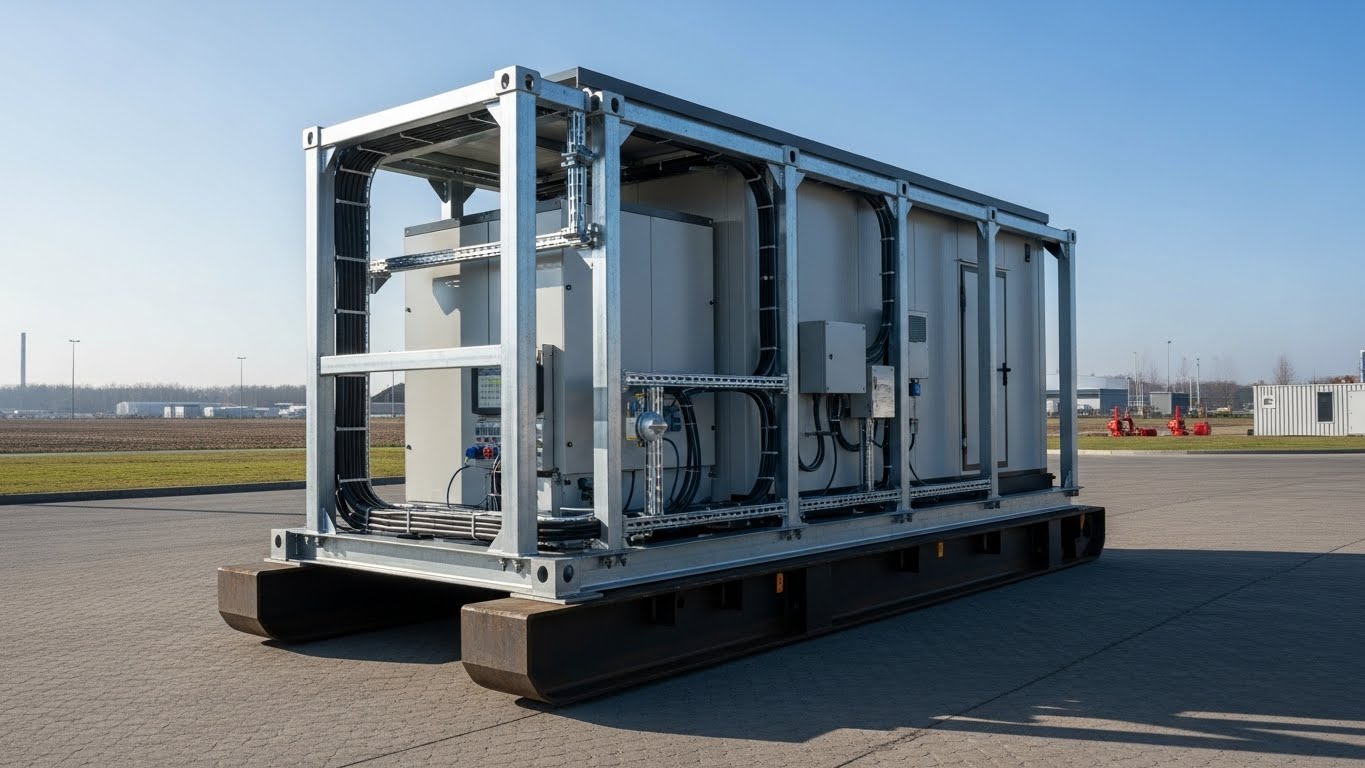
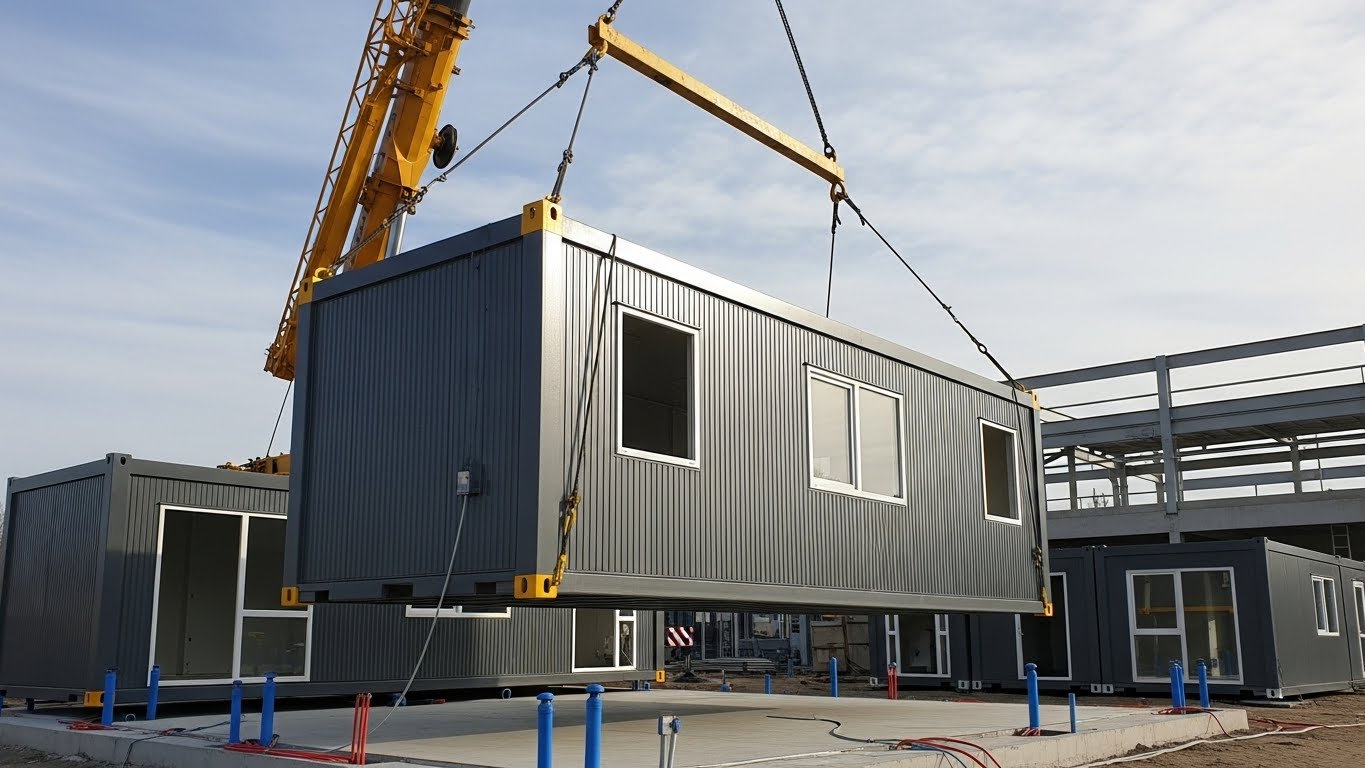
Logistics of Life: Delivering Turnkey Container Cities for International NGOs Turnkey container cities are rapidly deployable, fully equipped modular living environments designed to meet the urgent accommodation, social infrastructure, and operational needs of humanitarian missions. Built using durable prefabricated and containerized units, these settlements provide safe, hygienic, and resilient living conditions for displaced communities, emergency responders, and international NGO teams operating in challenging environments.For organizations working in disaster relief, conflict zones, and remote regions, container cities eliminate the complexity of coordinating multiple suppliers and contractors. Instead, they offer a single, integrated solution that covers design, engineering, manufacturing, logistics, installation, more..

Logistics of Life: Delivering Turnkey Container Cities for International NGOs2025-12-26T11:43:03+03:00

Educational Continuity in Crisis Zones: Prefabricated Schools for Ukraine

2025-12-26T11:12:41+03:00

Educational Continuity in Crisis Zones: Prefabricated Schools for Ukraine Education is one of the first public services disrupted during conflict, yet it is among the most critical to restore. In Ukraine, damaged school buildings, displacement, and safety concerns have interrupted learning for millions of children. Restoring educational continuity requires solutions that can be deployed rapidly, operate safely in harsh conditions, and remain suitable for extended use. Prefabricated schools provide a reliable pathway to reopen classrooms quickly while meeting modern educational, safety, and energy performance requirements. What are prefabricated schools in crisis response? Prefabricated schools are factory produced education facilities more..

Educational Continuity in Crisis Zones: Prefabricated Schools for Ukraine2025-12-26T11:12:41+03:00

Rapid Restoration of Healthcare: Modular Hospitals and Clinics in Ukraine

2025-12-26T10:39:46+03:00

Rapid Restoration of Healthcare: Modular Hospitals and Clinics in Ukraine The restoration of healthcare services is one of the most urgent priorities in Ukraine’s recovery process. Damage to hospitals, clinics, and primary care facilities has disrupted access to essential medical services for millions of people. In post conflict conditions, rebuilding healthcare infrastructure must be fast, reliable, and compliant with international medical standards. Modular hospitals and clinics provide a practical solution by enabling rapid deployment while ensuring clinical safety, operational continuity, and long term usability. What are modular hospitals and clinics in post conflict recovery? Modular hospitals and clinics are more..

Rapid Restoration of Healthcare: Modular Hospitals and Clinics in Ukraine2025-12-26T10:39:46+03:00

Rebuilding Ukraine: Energy-Efficient Modular Housing for Harsh Winters

2025-12-26T10:31:01+03:00

Rebuilding Ukraine: Energy-Efficient Modular Housing for Harsh Winters Ukraine’s post conflict reconstruction faces a dual challenge. Communities must be rehoused quickly, while new residential solutions must perform reliably in long, severe winters. Subzero temperatures, snow loads, and rising energy costs make thermal performance and energy efficiency as critical as speed of delivery. Energy-efficient modular housing has become a practical response to these conditions, enabling rapid reconstruction while reducing long term operating costs and improving living comfort for returning families. What is energy-efficient modular housing in cold climates? Energy-efficient modular housing refers to prefabricated residential systems engineered to minimize heat more..

Rebuilding Ukraine: Energy-Efficient Modular Housing for Harsh Winters2025-12-26T10:31:01+03:00

Turnkey Refugee Camps: Water, Energy, and Housing Integrated Solutions

2025-12-26T09:58:45+03:00

Turnkey Refugee Camps: Water, Energy, and Housing Integrated Solutions Large scale displacement crises demand more than isolated shelter solutions. Refugee camps must function as complete living environments from the first day of deployment, providing safe housing alongside reliable water supply, energy systems, and sanitation infrastructure. When these elements are delivered separately, camps often face operational failures, health risks, and rapid deterioration. A turnkey approach that integrates water, energy, and housing into a single coordinated system has become the most effective model for building resilient, scalable refugee camps under urgent conditions. What does a turnkey refugee camp mean? A turnkey refugee camp is a fully integrated settlement delivered more..

Turnkey Refugee Camps: Water, Energy, and Housing Integrated Solutions2025-12-26T09:58:45+03:00

Flat-Pack Containers vs. Prefab Buildings: Choosing the Right Solution for Aid Camps

2025-12-26T09:55:43+03:00

Flat-Pack Containers vs. Prefab Buildings: Choosing the Right Solution for Aid Camps  Humanitarian aid camps must be deployed fast, operate reliably, and adapt to changing conditions. Selecting the right building system is a strategic decision that directly affects logistics, speed of deployment, living conditions, and long term operability. Flat-pack containers and prefab buildings are two of the most commonly used solutions in aid camps, yet they serve different operational priorities. Understanding their strengths and limitations helps humanitarian actors choose the most effective system for each mission. What are flat-pack containers and prefab buildings? Flat-pack containers are modular units shipped in disassembled form. Walls, floors, roofs, and structural elements are more..

Flat-Pack Containers vs. Prefab Buildings: Choosing the Right Solution for Aid Camps2025-12-26T09:55:43+03:00

From Production to Installation: Managing Logistics in Hard-to-Reach Areas

2025-12-26T09:52:00+03:00

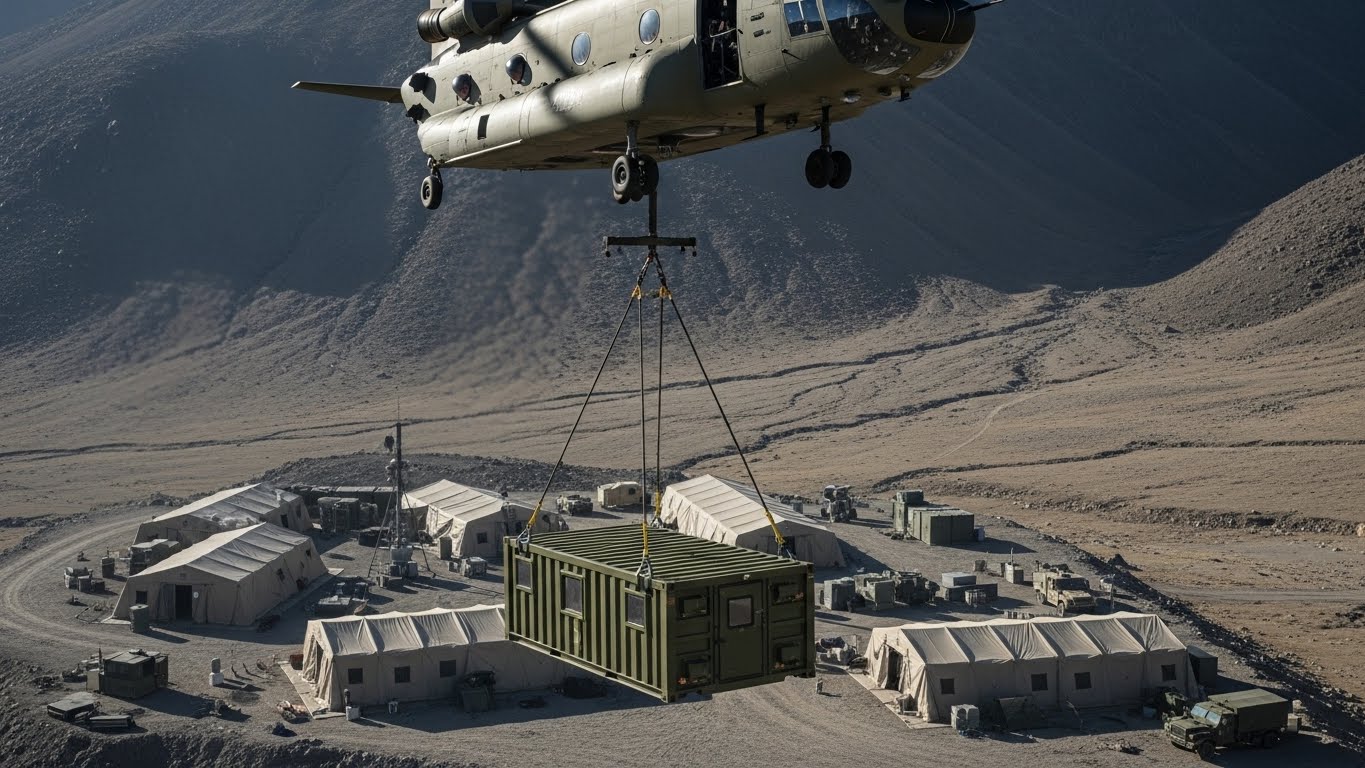
From Production to Installation: Managing Logistics in Hard-to-Reach Areas  Delivering construction projects in hard to reach areas is one of the most demanding challenges in emergency response, humanitarian aid, and remote infrastructure development. These locations often suffer from limited access roads, damaged transport networks, security restrictions, extreme climates, or complete isolation from established supply chains. In such environments, success depends not only on what is built, but on how efficiently materials move from production facilities to final installation. Managing logistics from production to installation becomes a strategic discipline that directly determines project speed, safety, and overall feasibility. What does logistics management mean in hard-to-reach areas? Logistics more..

From Production to Installation: Managing Logistics in Hard-to-Reach Areas2025-12-26T09:52:00+03:00

72-Hour Deployment: Mobile & Modular Units for Emergency Relief

2025-12-26T09:45:06+03:00

72-Hour Deployment: Mobile & Modular Units for Emergency Relief  In the first hours following a disaster or humanitarian crisis, time becomes the most critical resource. Access to shelter, sanitation, medical support, and operational facilities within the first seventy two hours can determine survival rates, public health outcomes, and the stability of affected communities. Mobile and modular units are specifically engineered to meet this narrow response window. By combining off site manufacturing with logistics driven design, these systems enable emergency relief operations to move from decision to deployment at unprecedented speed while maintaining safety and functional integrity. What is 72 hour deployment in emergency more..

72-Hour Deployment: Mobile & Modular Units for Emergency Relief2025-12-26T09:45:06+03:00

Post-Disaster Reconstruction in Conflict Zones: Lessons from The Middle East & Europe

2025-12-26T09:39:08+03:00

Post-Disaster Reconstruction in Conflict Zones: Lessons from The Middle East & Europe Rebuilding after a disaster is complex in any setting, but in conflict zones the challenge multiplies. Damaged infrastructure, disrupted supply chains, security constraints, population displacement, and limited governance capacity turn reconstruction into a high risk, high urgency operation. Across the Middle East and parts of Europe, repeated crises have shown that success depends on more than construction speed. It requires disciplined planning, resilient delivery methods, standards based quality, and infrastructure first thinking. Modular and prefabricated systems have become increasingly relevant because they reduce on site exposure, accelerate more..

Post-Disaster Reconstruction in Conflict Zones: Lessons from The Middle East & Europe2025-12-26T09:39:08+03:00

Emergency Settlement Infrastructure in Syria: A Turnkey Approach

2025-12-26T09:27:06+03:00

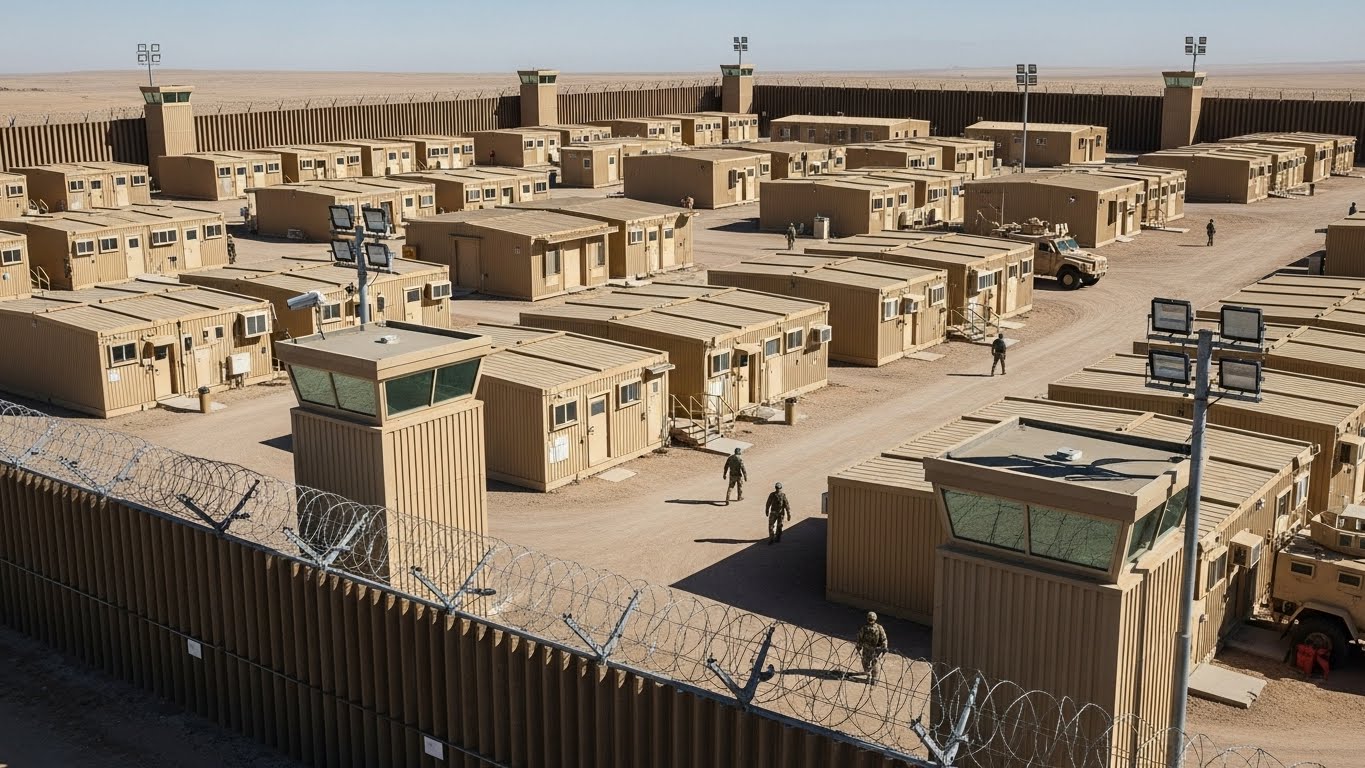
Emergency Settlement Infrastructure in Syria: A Turnkey Approach Years of conflict and displacement in Syria have created a long term need for emergency settlements that go far beyond temporary shelter. Large populations require safe housing, reliable infrastructure, and access to essential services under extremely constrained conditions. In this environment, emergency settlement infrastructure must be delivered rapidly while remaining durable, scalable, and suitable for prolonged use. A turnkey approach to modular construction enables humanitarian actors and development partners to establish fully functional settlements that support stability, safety, and dignity from day one. What is a turnkey emergency settlement approach? A more..

Emergency Settlement Infrastructure in Syria: A Turnkey Approach2025-12-26T09:27:06+03:00
Go to Top