Winterization Excellence: How Dorçe Modular Systems Stand Up to Alaska’s Harshest Winters

2026-03-13T11:12:43+03:00

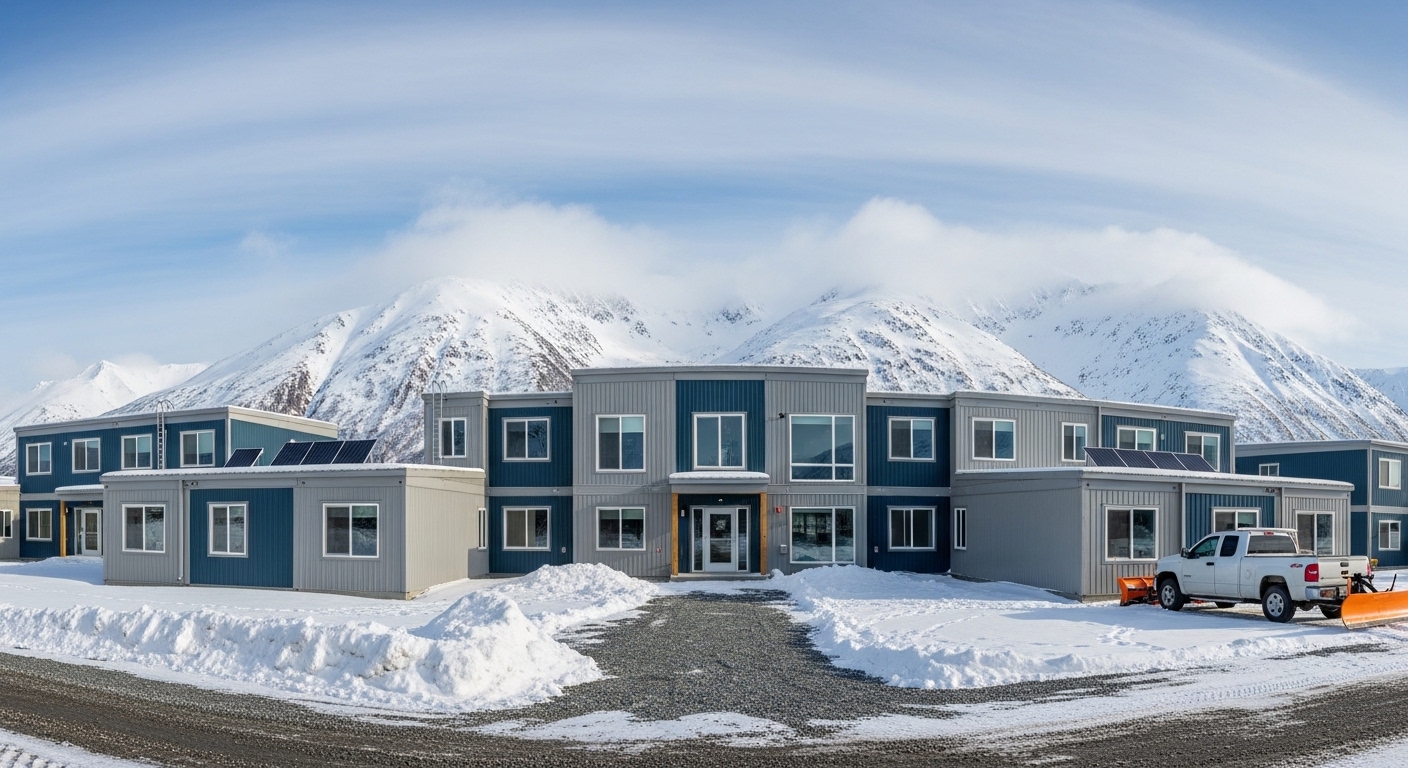
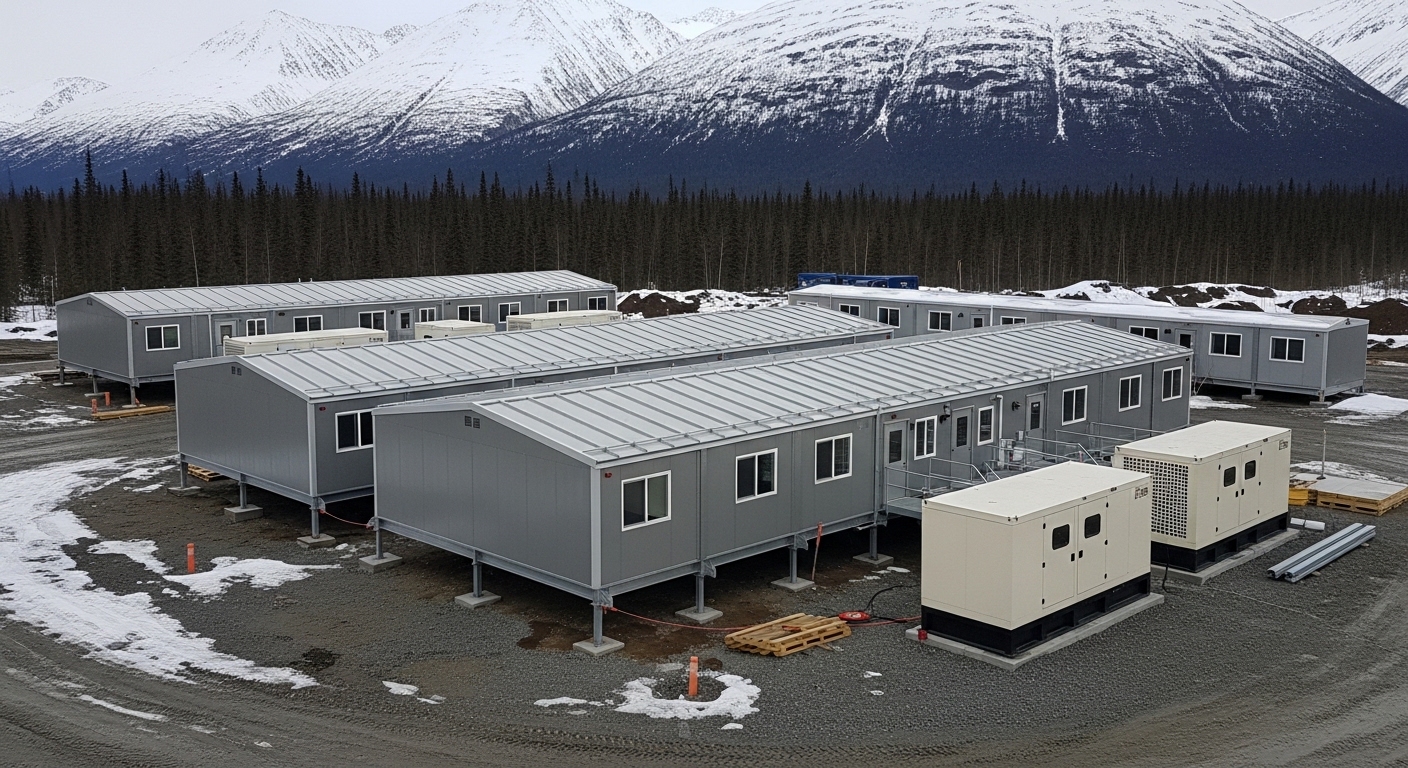
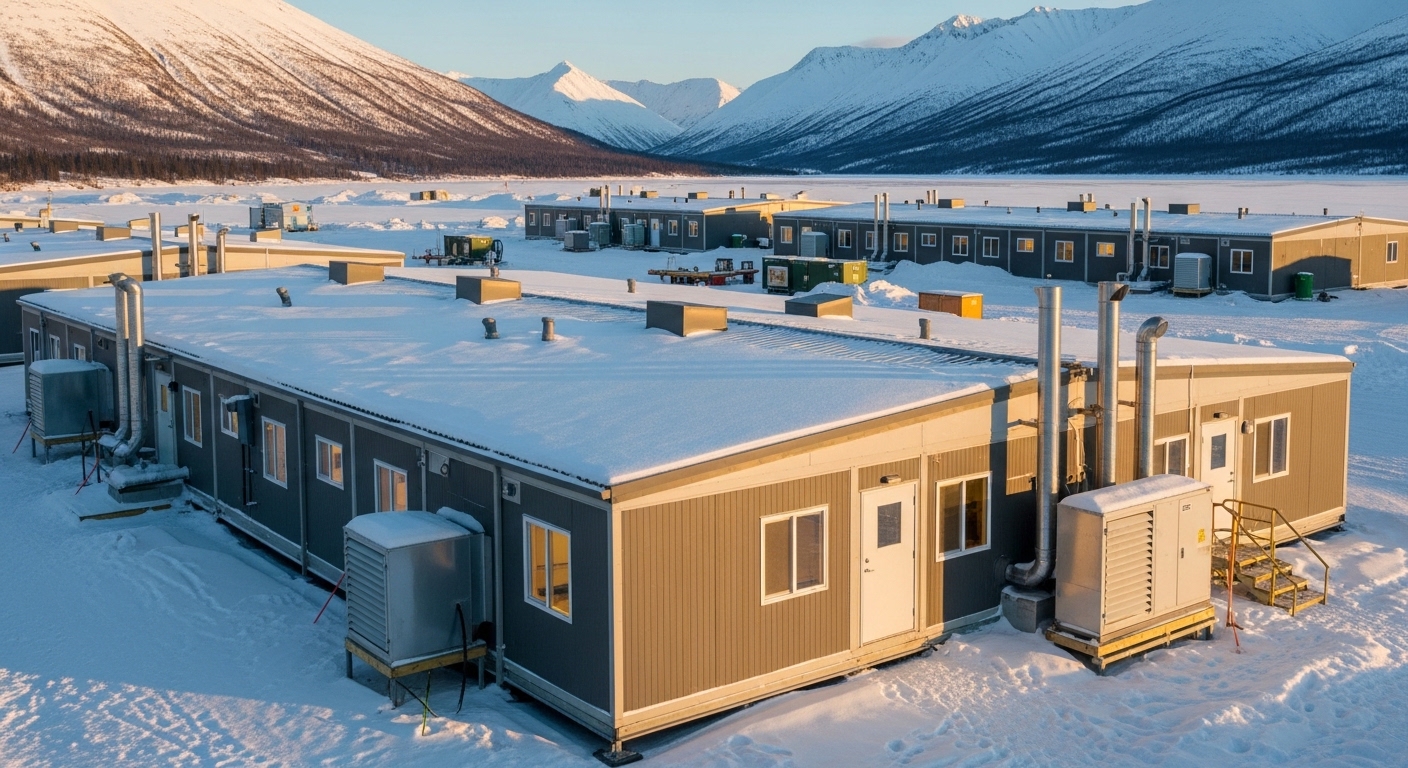
Winterization Excellence: How Dorçe Modular Systems Stand Up to Alaska’s Harshest Winters Alaska’s remote energy, mining, and infrastructure projects operate in one of the most demanding climates on earth. Winter temperatures in many regions regularly fall below –40°C, while strong winds, heavy snowfall, and extended periods of darkness place extreme stress on buildings and infrastructure. In these environments, workforce accommodation systems must be engineered not only for speed of deployment but also for long-term resilience. Modular construction, when designed specifically for Arctic conditions, provides a highly reliable solution for maintaining safe and comfortable living and working environments throughout Alaska’s more..
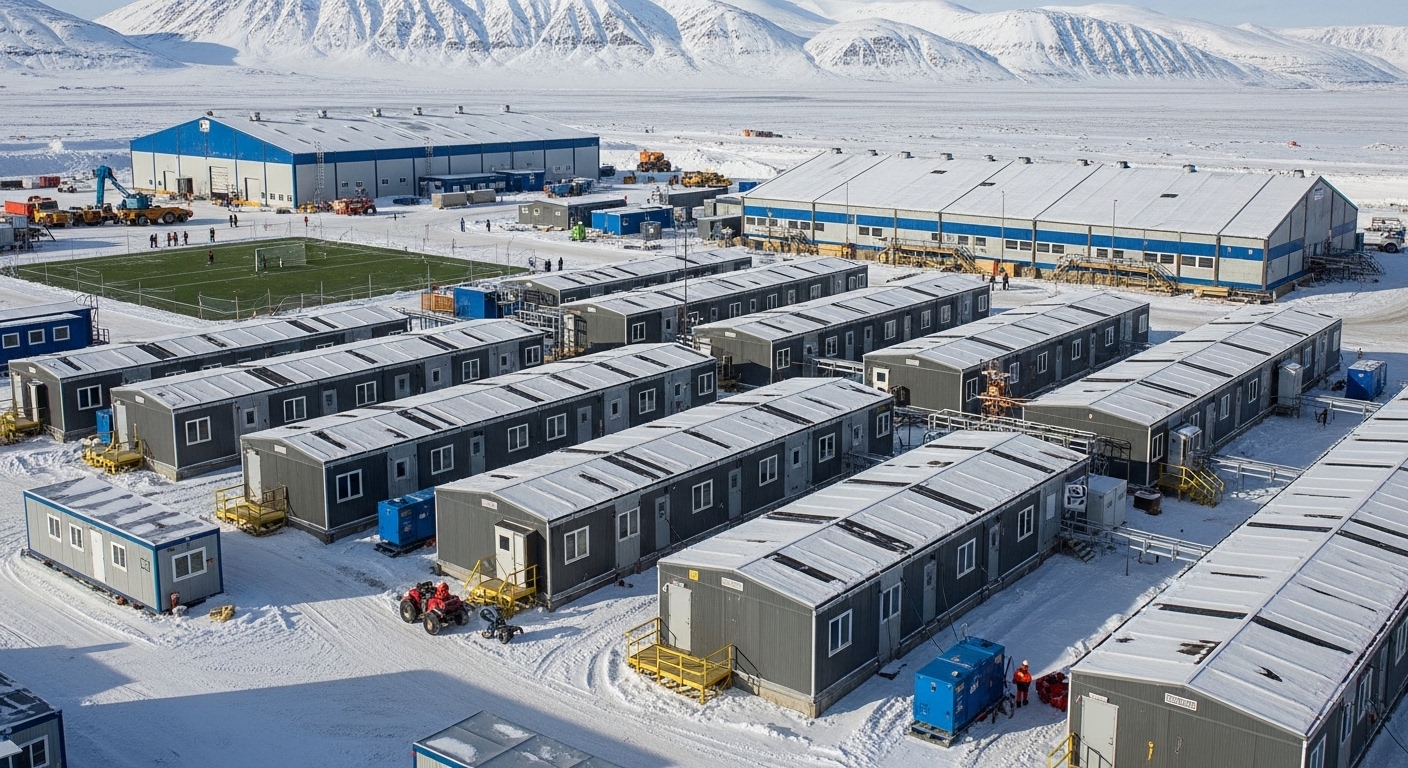
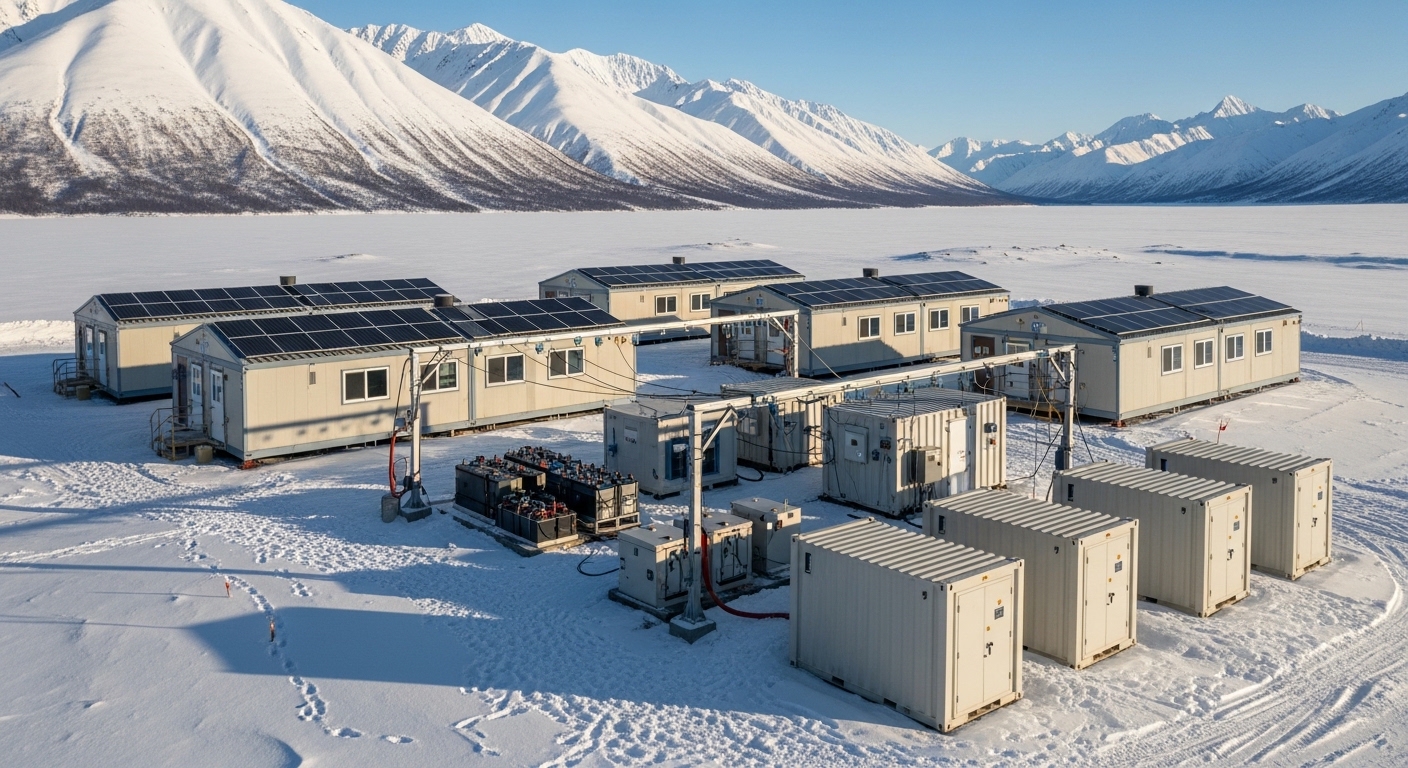
Winterization Excellence: How Dorçe Modular Systems Stand Up to Alaska’s Harshest Winters2026-03-13T11:12:43+03:00

Global Expertise, Local Impact: Applying Mega-Scale LNG Camp Experience to Alaska

2026-03-13T11:12:58+03:00

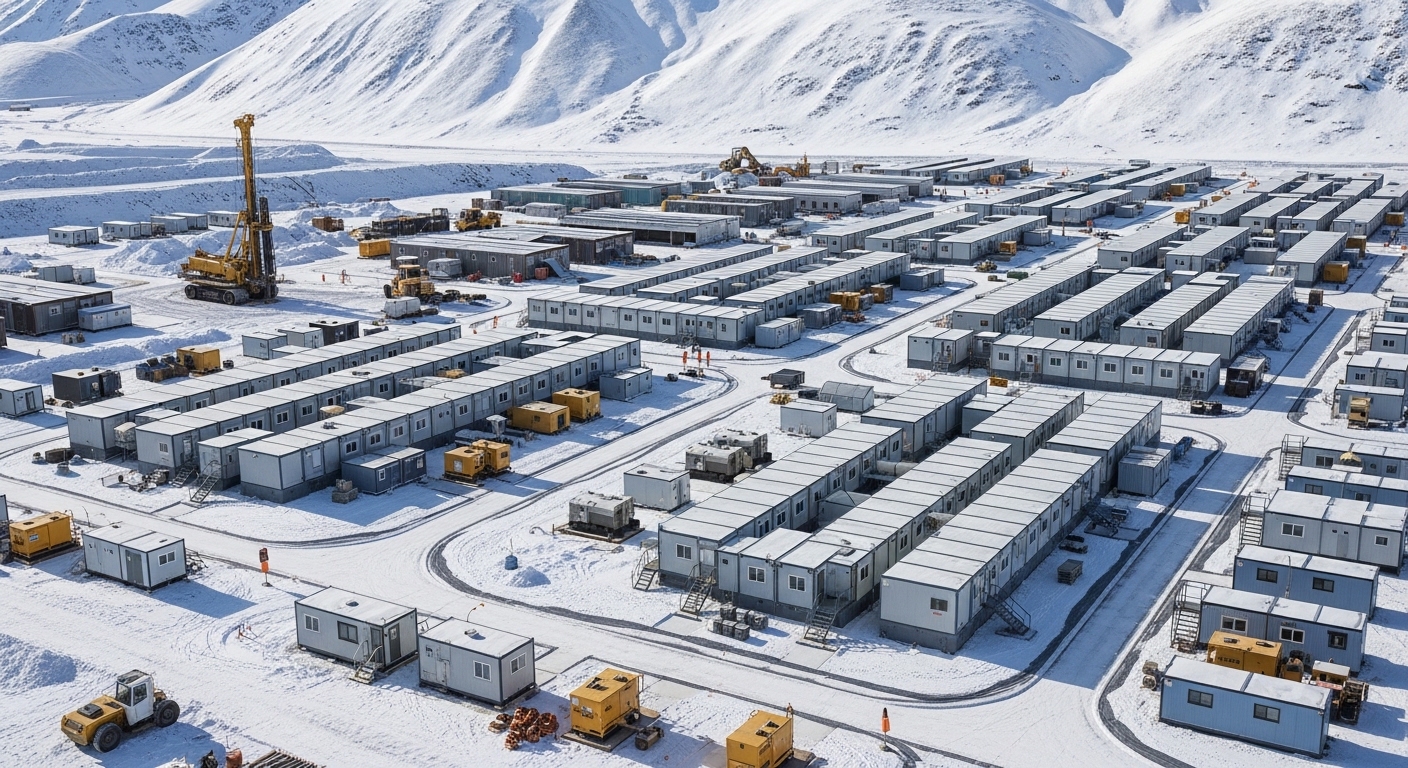
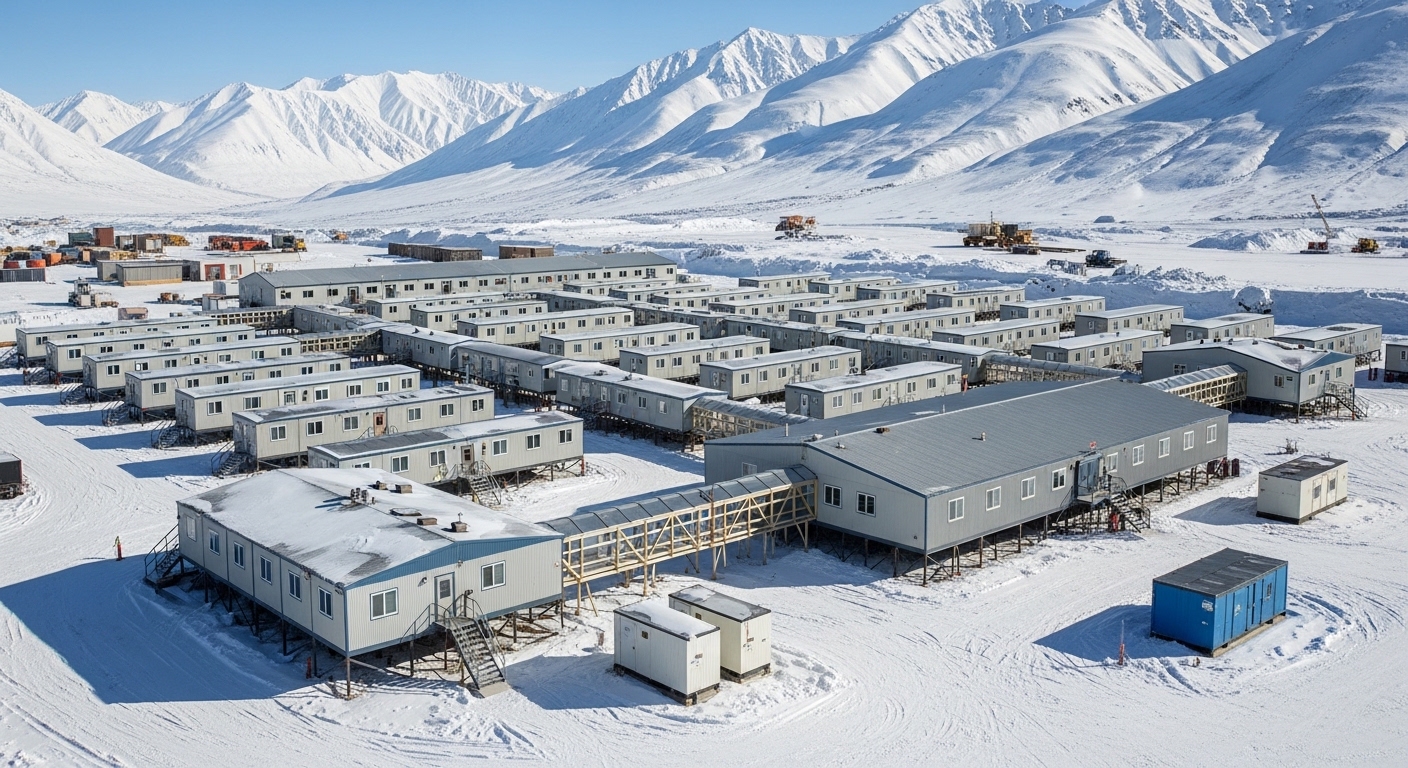
Global Expertise, Local Impact: Applying Mega-Scale LNG Camp Experience to Alaska Large-scale energy projects require more than engineering expertise. They require the ability to support thousands of workers in remote and often extreme environments where logistics, infrastructure, and workforce welfare must function seamlessly. In global LNG developments, large workforce accommodation systems known as “man camps” or Life Support Areas (LSA) have become a critical component of project success. These integrated settlements provide housing, food services, healthcare, recreation, and operational support for thousands of personnel working in isolated industrial zones. As Alaska prepares for major energy developments such as LNG more..

Global Expertise, Local Impact: Applying Mega-Scale LNG Camp Experience to Alaska2026-03-13T11:12:58+03:00

Energy-Efficient Modular Camps: Integrating Microgrids and ESG for Alaska Projects

2026-03-13T11:13:14+03:00

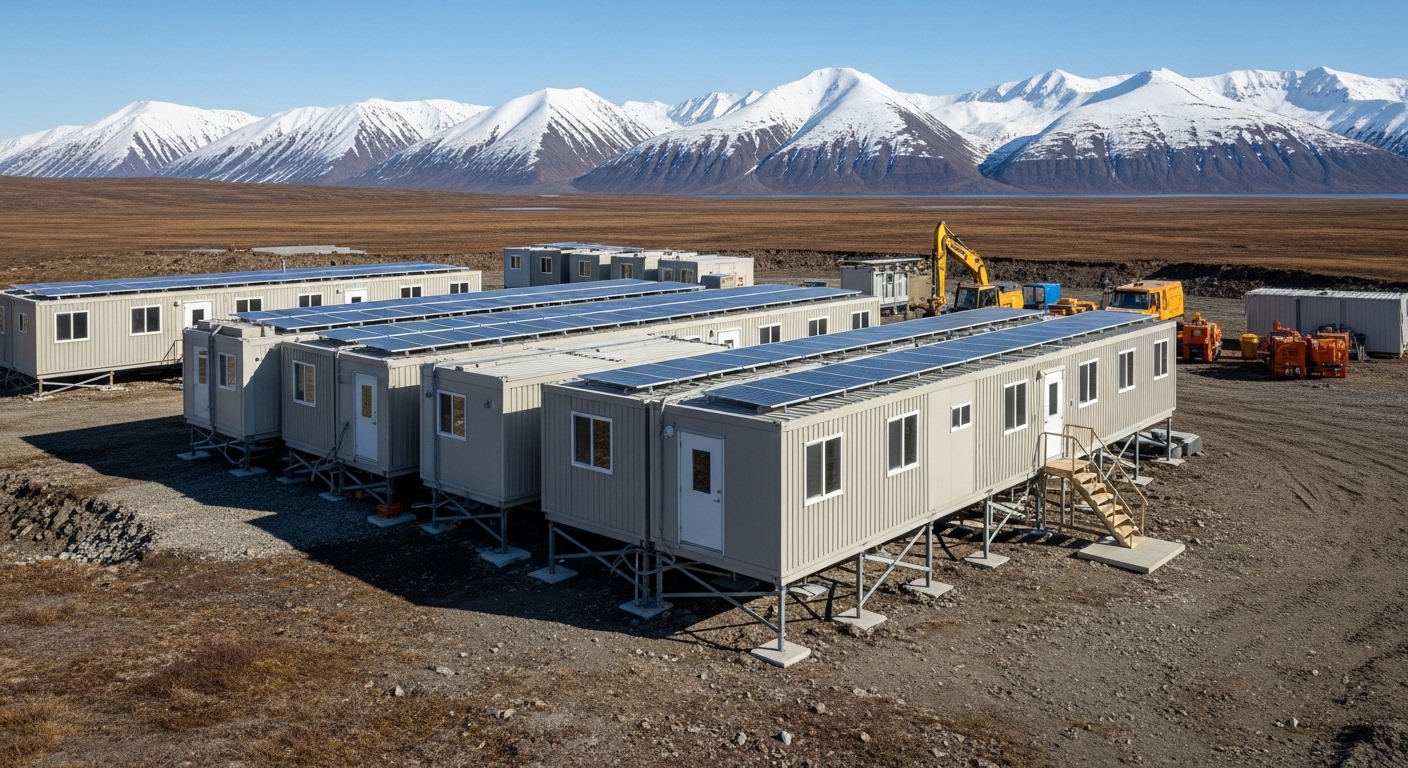
Energy-Efficient Modular Camps: Integrating Microgrids and ESG for Alaska Projects Alaska’s remote energy, mining, pipeline, and infrastructure developments require workforce accommodation systems that do more than provide shelter. In isolated project zones where diesel dependency, harsh climate, and long supply chains drive both cost and environmental exposure, camp infrastructure must be designed as an operational energy system. This is why energy-efficient modular camps are becoming increasingly important for Alaska projects. By combining prefabricated modular construction with microgrids, intelligent load management, and ESG-aligned planning, project developers can reduce fuel consumption, improve resilience, and strengthen long-term project performance. In remote Alaska, more..

Energy-Efficient Modular Camps: Integrating Microgrids and ESG for Alaska Projects2026-03-13T11:13:14+03:00

Modular Steel vs. Traditional Construction: Solving the Workforce Housing Shortage in Alaska

2026-03-13T11:13:06+03:00

Modular Steel vs. Traditional Construction: Solving the Workforce Housing Shortage in Alaska Alaska’s rapid expansion in energy, mining, infrastructure, and resource development projects has created a growing demand for workforce accommodation across the state. Remote operations on the North Slope, emerging mining districts, pipeline developments, and exploration projects require reliable housing for thousands of workers. However, traditional construction methods often struggle to keep pace with this demand due to logistical challenges, extreme weather conditions, and limited construction seasons. Modular steel construction has emerged as one of the most effective solutions to address Alaska’s workforce housing shortage. By combining prefabricated more..

Modular Steel vs. Traditional Construction: Solving the Workforce Housing Shortage in Alaska2026-03-13T11:13:06+03:00

Overcoming Logistics Hurdles in Alaska: The Modular Advantage for Infrastructure Development

2026-03-13T10:31:26+03:00

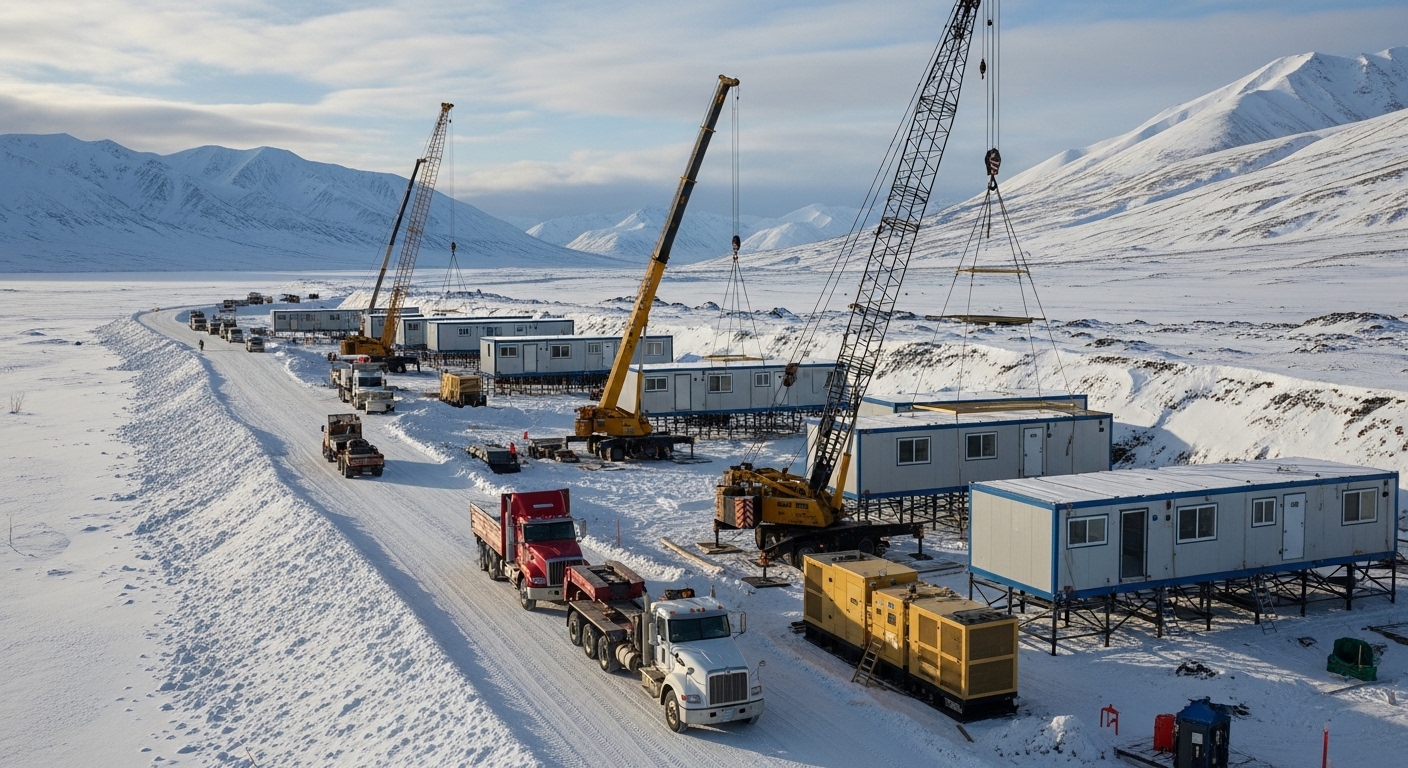
Overcoming Logistics Hurdles in Alaska: The Modular Advantage for Infrastructure Development Infrastructure development in Alaska faces logistical challenges unlike those encountered in most other regions of the world. Large distances between settlements, limited transportation networks, extreme weather conditions, and seasonal accessibility create significant barriers to conventional construction methods. For industries such as oil and gas, mining, telecommunications, and transportation infrastructure, overcoming these logistical hurdles is essential to maintaining project schedules and controlling costs. Modular construction provides a powerful solution for addressing these challenges. By shifting much of the construction process to controlled factory environments and transporting finished building modules more..

Overcoming Logistics Hurdles in Alaska: The Modular Advantage for Infrastructure Development2026-03-13T10:31:26+03:00

The Economics of Modular Housing: Reducing Capex in Alaska’s Remote Energy Projects

2026-03-13T10:21:53+03:00

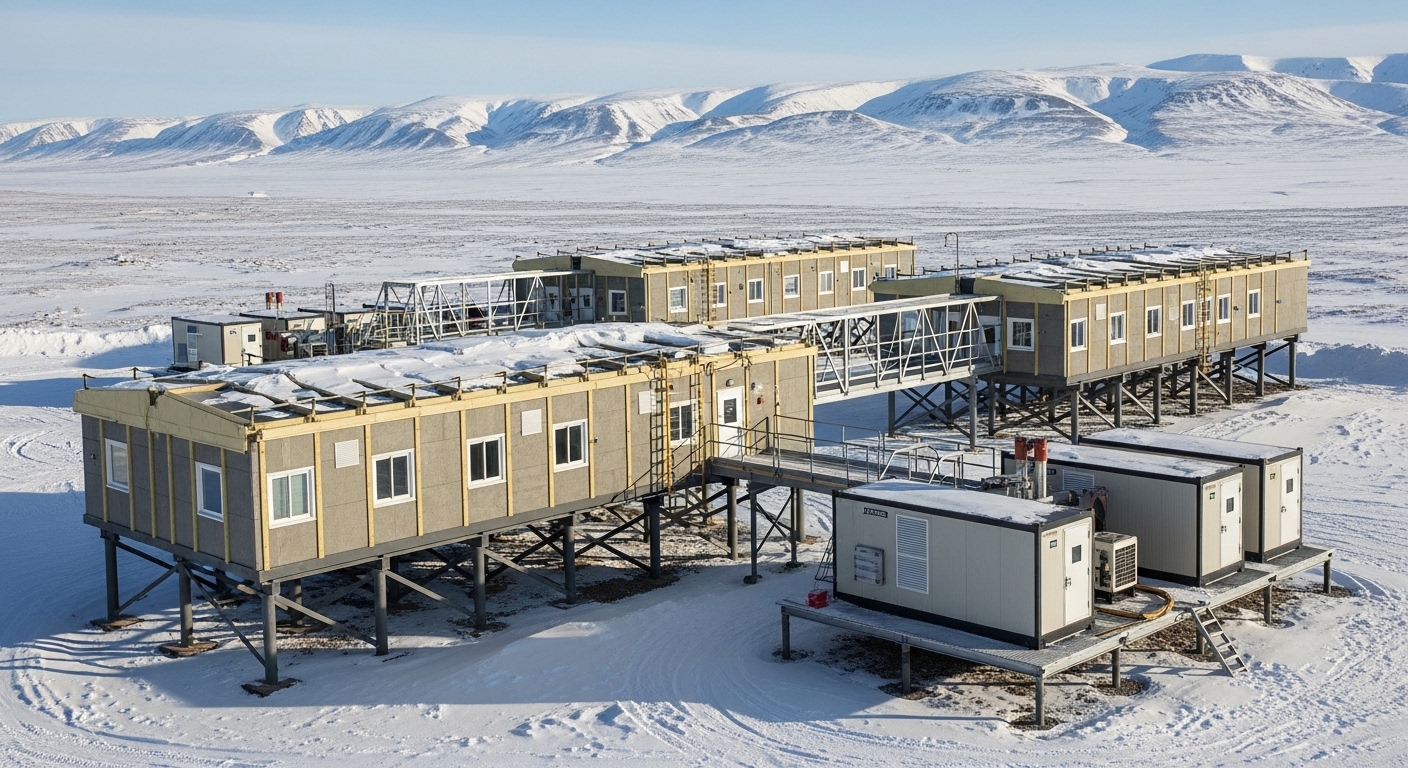
Top 10 Considerations for Modular Construction in Sub-Arctic Remote Environments Sub-Arctic regions present a unique set of engineering, logistical, and operational challenges for infrastructure development. Areas such as northern Alaska, northern Canada, Siberia, and parts of Scandinavia experience extreme cold, limited infrastructure access, seasonal construction windows, and highly sensitive ecosystems. For projects in mining, oil and gas, telecommunications, and scientific research, infrastructure must be reliable, rapidly deployable, and capable of functioning independently. Modular construction has become one of the most effective solutions for these environments because it allows buildings to be manufactured off-site and installed quickly in remote locations. more..

The Economics of Modular Housing: Reducing Capex in Alaska’s Remote Energy Projects2026-03-13T10:21:53+03:00

From 50 to 5,000: Scalable Modular Solutions for Alaska’s Gold and Copper Mines

2026-03-13T10:13:44+03:00

From 50 to 5,000: Scalable Modular Solutions for Alaska's Gold and Copper Mines Alaska hosts some of the largest undeveloped gold and copper resources in North America. Mining projects in regions such as Interior Alaska, the Brooks Range, and emerging mineral belts require infrastructure that can evolve alongside project development stages. During early exploration phases, a small team of geologists and drilling crews may operate from a camp housing fewer than 50 people. As the project advances toward construction and production, workforce populations can expand to several thousand workers. This dynamic growth requires accommodation infrastructure that is scalable, rapidly more..

From 50 to 5,000: Scalable Modular Solutions for Alaska’s Gold and Copper Mines2026-03-13T10:13:44+03:00

Durability in the Wilderness: Why Steel Modular Camps Outperform Fabric Buildings in Alaska

2026-03-13T10:08:26+03:00

Durability in the Wilderness: Why Steel Modular Camps Outperform Fabric Buildings in Alaska Remote resource projects in Alaska operate in one of the harshest environments on Earth. Mineral exploration teams, pipeline construction crews, and energy sector workers must live and work in locations where infrastructure is limited and environmental conditions are extreme. In these environments, the choice of workforce accommodation systems directly affects safety, operational continuity, and long-term project costs. Two common approaches for temporary camps in remote locations are fabric structures and steel modular buildings. While fabric buildings are sometimes used for short-term shelters or storage, steel modular more..

Durability in the Wilderness: Why Steel Modular Camps Outperform Fabric Buildings in Alaska2026-03-13T10:08:26+03:00

Sustainable Modular Housing for Alaska’s Mineral Exploration: High Performance, Low Footprint

2026-03-13T10:04:19+03:00

Sustainable Modular Housing for Alaska’s Mineral Exploration: High Performance, Low Footprint Alaska’s mineral exploration sector is expanding as global demand rises for gold, copper, rare earth elements, and other critical minerals required for energy transition technologies. However, exploration activities in Alaska take place in environmentally sensitive landscapes where regulatory compliance, ecological protection, and sustainable development are essential considerations. Remote exploration teams require workforce accommodation systems that can operate efficiently while minimizing environmental impact. Sustainable modular housing has emerged as one of the most effective solutions for exploration camps in Alaska. Through prefabricated modular construction, mining companies can deploy high-performance more..

Sustainable Modular Housing for Alaska’s Mineral Exploration: High Performance, Low Footprint2026-03-13T10:04:19+03:00

Turnkey Worker Accommodation for Alaska’s Emerging Mining Districts

2026-03-13T09:57:00+03:00

Turnkey Worker Accommodation for Alaska’s Emerging Mining Districts Alaska is entering a new phase of mineral development driven by rising global demand for critical minerals, gold, and base metals. Exploration activity is expanding across emerging mining districts in regions such as the Brooks Range, Interior Alaska, and the western mineral belts. These areas often lack permanent infrastructure, requiring mining companies to establish fully operational workforce accommodation camps capable of supporting exploration, development, and early-stage production activities. In these remote environments, turnkey worker accommodation systems built through modular construction and prefabricated buildings provide one of the most efficient solutions for more..

Turnkey Worker Accommodation for Alaska’s Emerging Mining Districts2026-03-13T09:57:00+03:00
Go to Top