
Disaster Relief Housing: Earthquake Resistant Prefab Structures for High-Risk
Disaster Relief Housing: Earthquake Resistant Prefab Structures for High-Risk
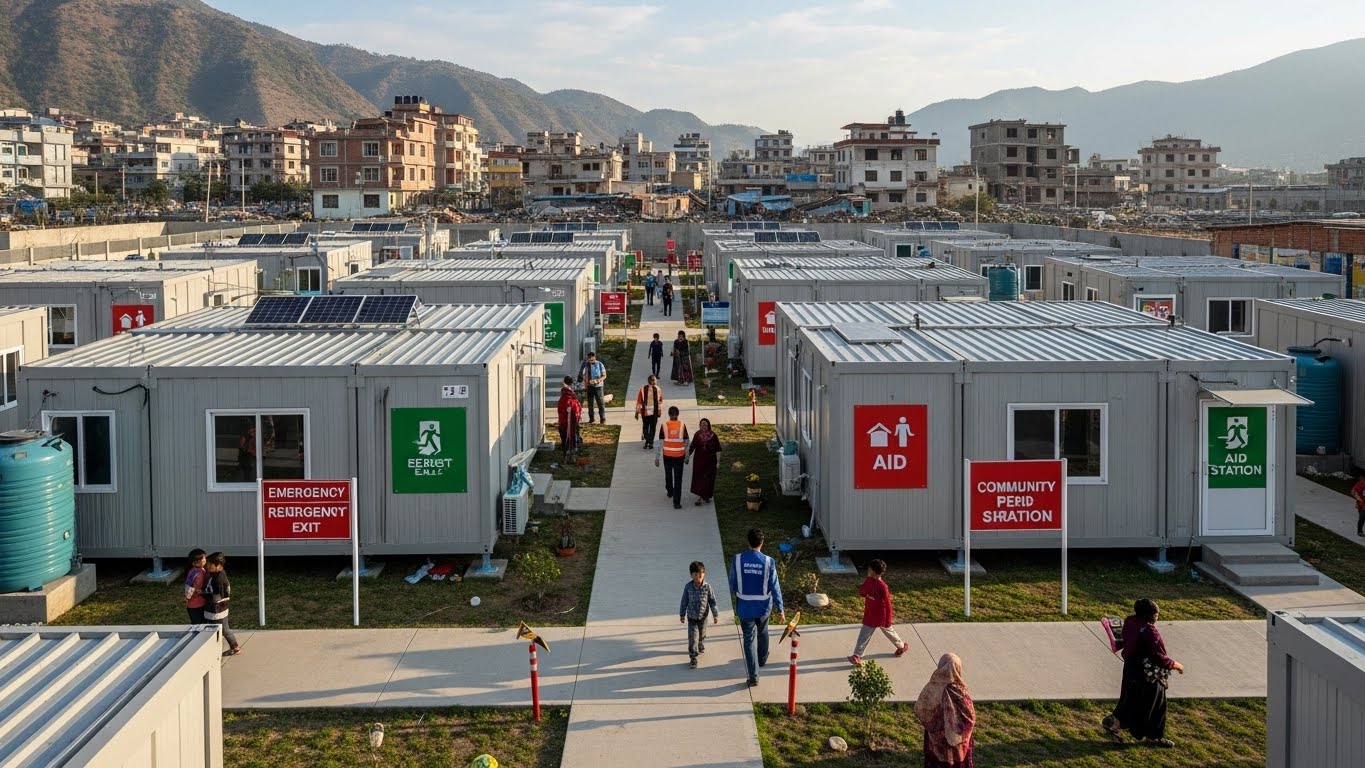
Disaster relief housing based on earthquake resistant prefabricated structures refers to modular buildings specifically engineered to withstand seismic activity while providing safe and rapid accommodation for affected populations and emergency responders. These buildings are designed using structural systems that absorb and distribute seismic forces, reducing the risk of collapse and protecting lives in high risk earthquake zones.
Prefabricated disaster relief housing is produced in controlled factory environments to ensure consistent quality, structural accuracy and compliance with international standards. Units are delivered to site ready for fast installation, enabling humanitarian agencies, governments and NGOs to restore safe living environments in the immediate aftermath of earthquakes and during long term recovery phases.
Advantages
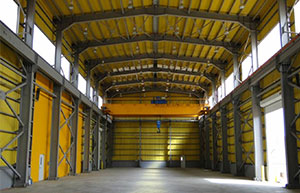
Earthquake resistant prefab housing provides a significantly higher level of safety compared with temporary shelter systems that are not designed for seismic performance. Engineered steel and modular structural components are calculated to resist lateral forces, ensuring stability during aftershocks and future seismic events.
Speed of deployment is another critical advantage. Prefabrication allows manufacturing and logistics planning to begin immediately after a disaster, while installation on site requires minimal time and workforce. This helps reduce exposure to harsh conditions and supports faster stabilization of communities.
Durability and long term usability are key benefits. These structures can remain in service for extended periods or be converted into permanent housing, schools, health centers or community facilities. They are designed for hygiene, weather resistance, thermal comfort and safe electrical and mechanical installations.
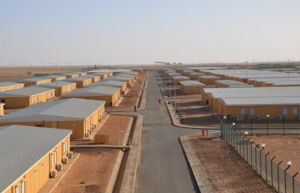
Standardized modular production also ensures cost efficiency, predictable quality and ease of expansion. Units can be configured as family houses, dormitories, offices or service buildings depending on evolving needs.
Usage Areas
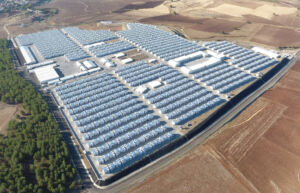
Earthquake resistant prefabricated disaster housing is used in high risk regions where seismic activity presents continuous danger to residential and social infrastructure. This includes areas affected by major earthquakes, fault line settlements, mountainous regions and densely populated urban zones.
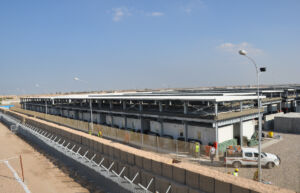
In the emergency response phase, these modular units serve as temporary housing, medical support centers, administrative offices, community spaces and logistics hubs.
During reconstruction and resilience planning, earthquake resistant prefab buildings help governments and humanitarian partners develop safer and more resilient settlement models that reduce future disaster risks. They are also widely used in training centers, public service infrastructure and critical support facilities that must remain operational during seismic events.
Dorce’s Difference/Conclusion
Dorce designs and manufactures earthquake resistant prefabricated structures in line with international engineering and seismic performance standards. Structural calculations, connection details and material selections are carried out with a strong focus on safety, durability and life cycle performance.
With turnkey capability, Dorce manages the full process from design and production to logistics, installation and commissioning, ensuring that disaster relief housing reaches affected regions quickly and reliably. Quality control systems, certified materials and factory precision deliver predictable performance during real seismic events.
By providing safe, rapid and resilient prefab housing for high risk earthquake regions, Dorce helps protect lives, support community stability and strengthen disaster preparedness. These modular structures represent more than emergency shelter. They are a foundation for safer rebuilding and long term resilience in vulnerable regions.