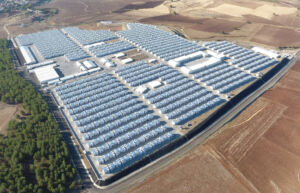
Displaced Communities
What is..?
Displaced communities are populations forced to leave their homes due to conflict, disasters, environmental crises or insecurity, often relocating within their own country or across borders in search of safety. These communities face major challenges related to shelter, access to services, protection, livelihood opportunities and long term stability.
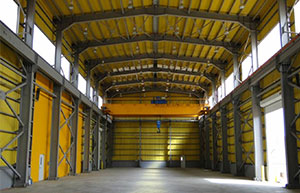
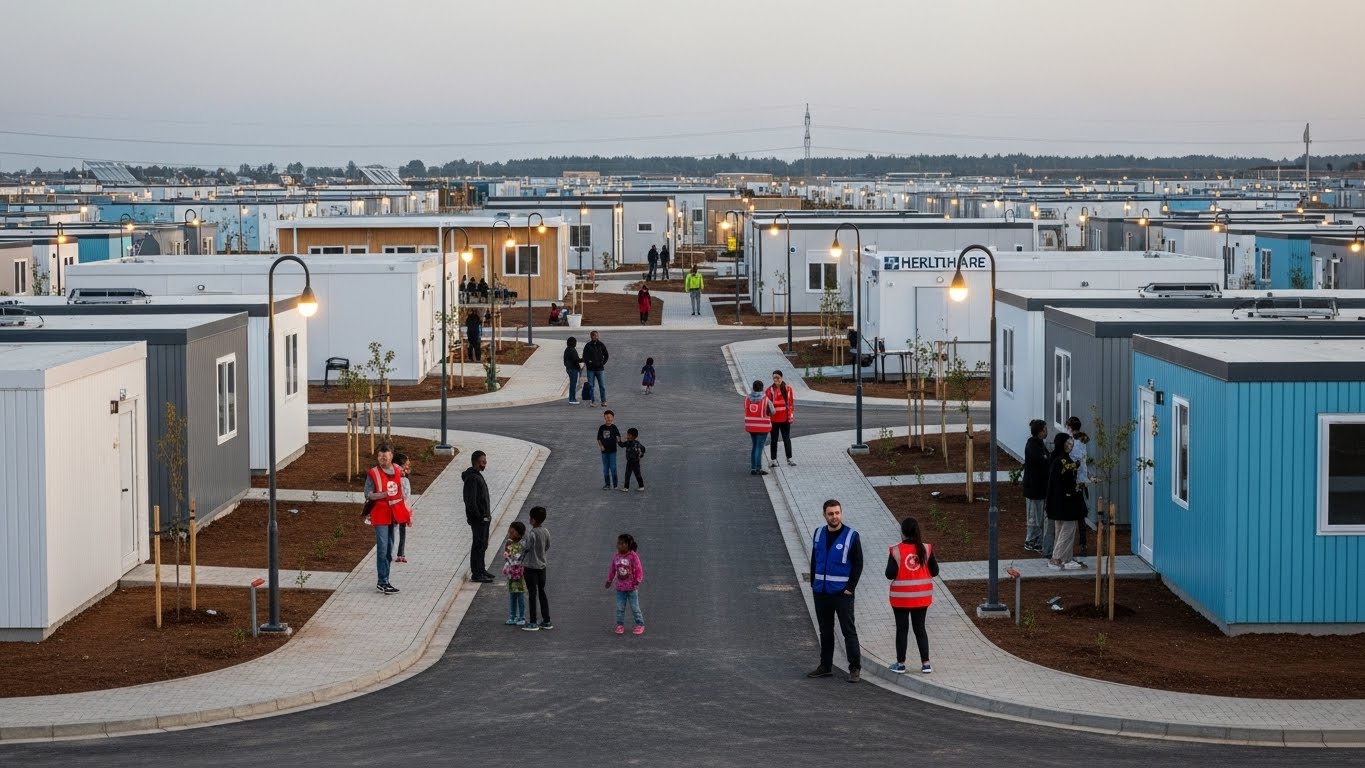
Modern humanitarian response increasingly relies on prefabricated and modular infrastructure to support displaced communities with safe, rapid and scalable solutions for housing, healthcare, education, administration and essential services. These systems are designed and manufactured in factory controlled environments, then transported and installed quickly to create organized, dignified living environments.
Advantages
Using modular and prefabricated solutions to support displaced communities offers significant advantages in speed, safety and quality. Off site manufacturing reduces deployment time, ensuring that people receive safe accommodation and critical services sooner.
Standardized production ensures consistent structural safety, hygiene, insulation and fire protection, improving daily living conditions compared with improvised or temporary shelters.
Flexibility is another key benefit. Modular settlements can be expanded, reorganized or relocated as population needs evolve. Durable materials and engineered systems also support long term use, helping communities stabilize while more permanent solutions are developed.
Cost efficiency, reduced waste and predictable logistics further strengthen program delivery for humanitarian agencies, governments and donors.
Usage Areas
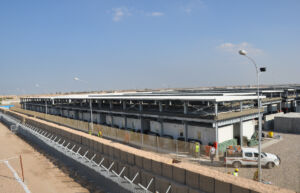
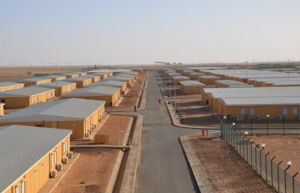
Infrastructure for displaced communities includes family shelters, temporary housing, staff accommodation, health clinics, field hospitals, schools, community centers, logistics hubs, kitchens, sanitation facilities and administrative offices.
These solutions are deployed in refugee and IDP camps, cross border humanitarian operations, disaster recovery zones and post conflict stabilization areas.
They also support transitional and long term settlement planning, helping restore access to essential services, education, healthcare and community life when permanent reconstruction is not yet possible.
Dorce’s Difference/Conclusion
Dorce supports displaced communities worldwide by designing and delivering modular and prefabricated infrastructure that meets international humanitarian standards for safety, durability and user wellbeing. Each project is engineered with a strong focus on climate resilience, comfort, hygiene and community functionality.
With full turnkey capability, Dorce manages design, engineering, manufacturing, global logistics, installation and commissioning as a single coordinated process. This ensures faster deployment, consistent quality and reduced operational complexity for humanitarian partners.
By providing reliable, scalable and human centered modular solutions, Dorce helps protect displaced communities and create safer, more dignified environments where families can begin rebuilding their lives.