
Durability in the Wilderness: Why Steel Modular Camps Outperform Fabric Buildings in Alaska
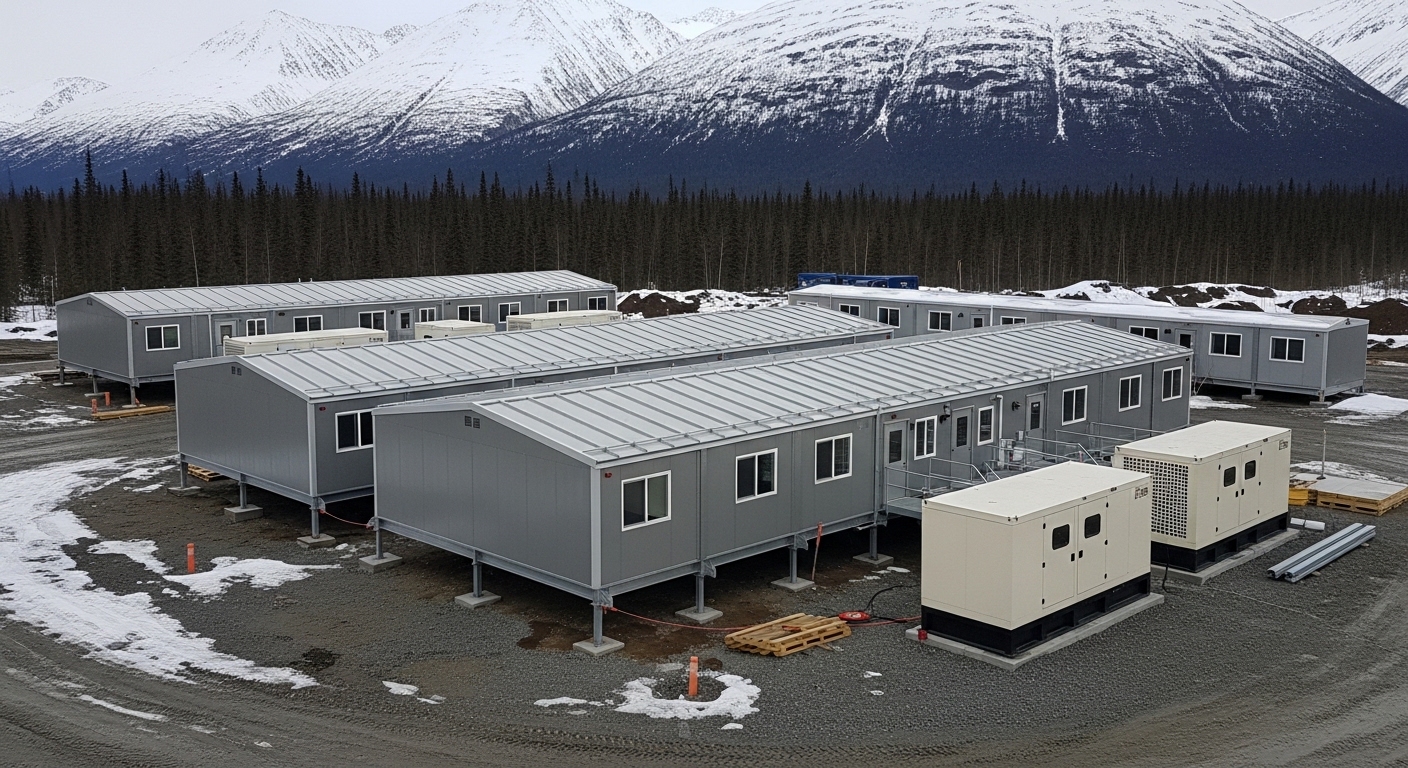
Remote resource projects in Alaska operate in one of the harshest environments on Earth. Mineral exploration teams, pipeline construction crews, and energy sector workers must live and work in locations where infrastructure is limited and environmental conditions are extreme. In these environments, the choice of workforce accommodation systems directly affects safety, operational continuity, and long-term project costs.
Two common approaches for temporary camps in remote locations are fabric structures and steel modular buildings. While fabric buildings are sometimes used for short-term shelters or storage, steel modular camps consistently outperform them in the demanding conditions of Alaska’s wilderness. For mining exploration sites, Arctic workforce camps, and remote infrastructure projects, prefabricated steel modular construction offers superior durability, reliability, and long-term operational efficiency.
Environmental Conditions in Alaska’s Remote Regions
Alaska’s remote operating environments expose infrastructure to multiple extreme stresses simultaneously. Camps must perform reliably under conditions such as:
• Winter temperatures frequently below −40°C
• Heavy snow accumulation and drifting
• Strong Arctic winds across open terrain
• Ice buildup on structural surfaces
• Permafrost ground conditions affecting foundations
• Long periods of darkness during winter months
These factors create a demanding environment where temporary or lightweight structures can quickly degrade.
Structural Strength and Load Resistance
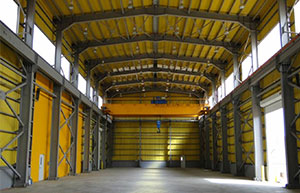
Steel modular camps are engineered to meet strict structural standards for extreme climates. Their reinforced steel frames provide high load-bearing capacity and resistance to environmental stress.
Key structural advantages include:
• High snow load roof design
• Wind-resistant steel structural systems
• Reinforced wall and roof connections
• Stable structural performance under temperature fluctuations
• Long-term structural durability
Fabric structures, by contrast, rely on lightweight frames and tensioned membrane coverings that are more vulnerable to snow loading and wind damage.
Performance Under Heavy Snow Loads
Snow accumulation is one of the most significant challenges for camps in Alaska. Snow can accumulate rapidly, particularly during winter storms and high wind conditions.
Steel modular buildings address this challenge through:
• Reinforced roof systems designed for high snow loads
• Sloped roof geometries that shed snow more effectively
• Structural steel frames capable of supporting heavy weight
Fabric structures often require frequent snow removal to prevent collapse or structural failure.
Thermal Insulation and Energy Efficiency
Maintaining indoor comfort in Alaska requires effective insulation systems. Heating demand in Arctic environments is extremely high, and energy efficiency is critical because fuel must often be transported long distances.
Steel modular buildings typically include:
• Insulated sandwich panel wall systems
• High-performance thermal insulation materials
• Airtight construction techniques
• Energy-efficient doors and windows
Fabric structures offer minimal insulation and often require additional internal liners or temporary insulation systems, which increase heating costs and reduce comfort.
Long-Term Durability and Maintenance
Remote camps must remain operational for months or even years without frequent repairs. Steel modular buildings offer long-term durability with minimal maintenance requirements.
Durability advantages include:
• Corrosion-resistant structural steel systems
• Durable exterior cladding materials
• Weather-resistant construction methods
• Long service life even in extreme environments
Fabric buildings are more susceptible to tearing, UV degradation, and wear caused by wind and snow.
Worker Comfort and Habitability
Worker accommodation in remote environments must support both safety and well-being. Comfortable living conditions improve morale and productivity.
Steel modular camps allow for more advanced interior environments including:
• Climate-controlled living spaces
• Acoustic insulation for better sleep quality
• Permanent interior partitions and layouts
• Integrated heating and ventilation systems
Fabric structures often provide limited environmental control and reduced acoustic insulation, which can negatively affect living conditions.
Safety and Fire Protection
Safety standards for workforce camps are especially strict in remote industrial environments. Steel modular buildings provide stronger fire protection and emergency response capabilities.
Safety features typically include:
• Fire-rated wall systems
• Integrated fire detection and alarm systems
• Emergency evacuation pathways
• Electrical systems installed to industrial safety standards
Fabric structures generally provide fewer integrated safety features and may not meet the same fire resistance standards.
Logistics and Deployment Advantages
Although fabric structures are sometimes perceived as easier to transport, steel modular construction can also provide significant logistical advantages through prefabrication.
Modular buildings are produced in factory environments and transported as completed units or modular sections. This allows for:
• Faster installation once delivered to site
• Reduced on-site construction work
• Higher construction quality and consistency
• Simplified logistics planning
For large workforce camps, modular systems provide a more scalable and reliable infrastructure solution.
Environmental Considerations
Environmental responsibility is an important factor for projects operating in Alaska’s fragile ecosystems. Steel modular buildings support sustainable practices in several ways.
Environmental benefits include:
• Reduced construction waste
• Relocatable and reusable infrastructure
• Energy-efficient building envelopes
• Lower fuel consumption for heating
These factors help project operators meet environmental regulations and sustainability goals.
Dorçe Prefabrik Capabilities in Steel Modular Camps
Dorçe Prefabrik specializes in modular and prefabricated steel construction systems designed for demanding industrial environments. With decades of experience supporting energy, mining, and infrastructure projects in remote regions, Dorçe integrates engineering, manufacturing, logistics, and installation within a coordinated project delivery framework.
Key capabilities include:
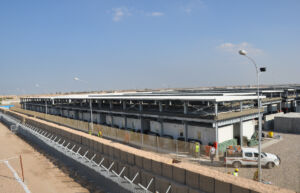
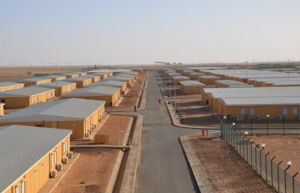
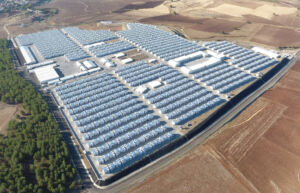
• Steel modular workforce accommodation camps
• Integrated Life Support Areas including dining, medical, and recreation facilities
• Prefabricated steel structures designed for extreme climates
• Off-site manufacturing enabling rapid deployment
• Turnkey EPC delivery from design through installation and commissioning
These capabilities allow Dorçe to support projects operating in remote and environmentally challenging locations such as Alaska.
Dorçe-related conclusion
In the extreme conditions of Alaska’s wilderness, workforce accommodation must prioritize durability, safety, and long-term operational performance. Steel modular camps provide a resilient solution capable of withstanding heavy snow loads, extreme cold, and harsh weather while delivering superior insulation and worker comfort. Compared to fabric structures, prefabricated steel modular buildings offer stronger structural integrity, better energy efficiency, and longer service life. Through advanced modular construction technologies and integrated project delivery, Dorçe Prefabrik provides durable workforce accommodation systems that support reliable operations in some of the most demanding environments in the world.
Tags
Tags