
Energy Efficiency in Temporary Housing: Lowering Costs in Remote Areas
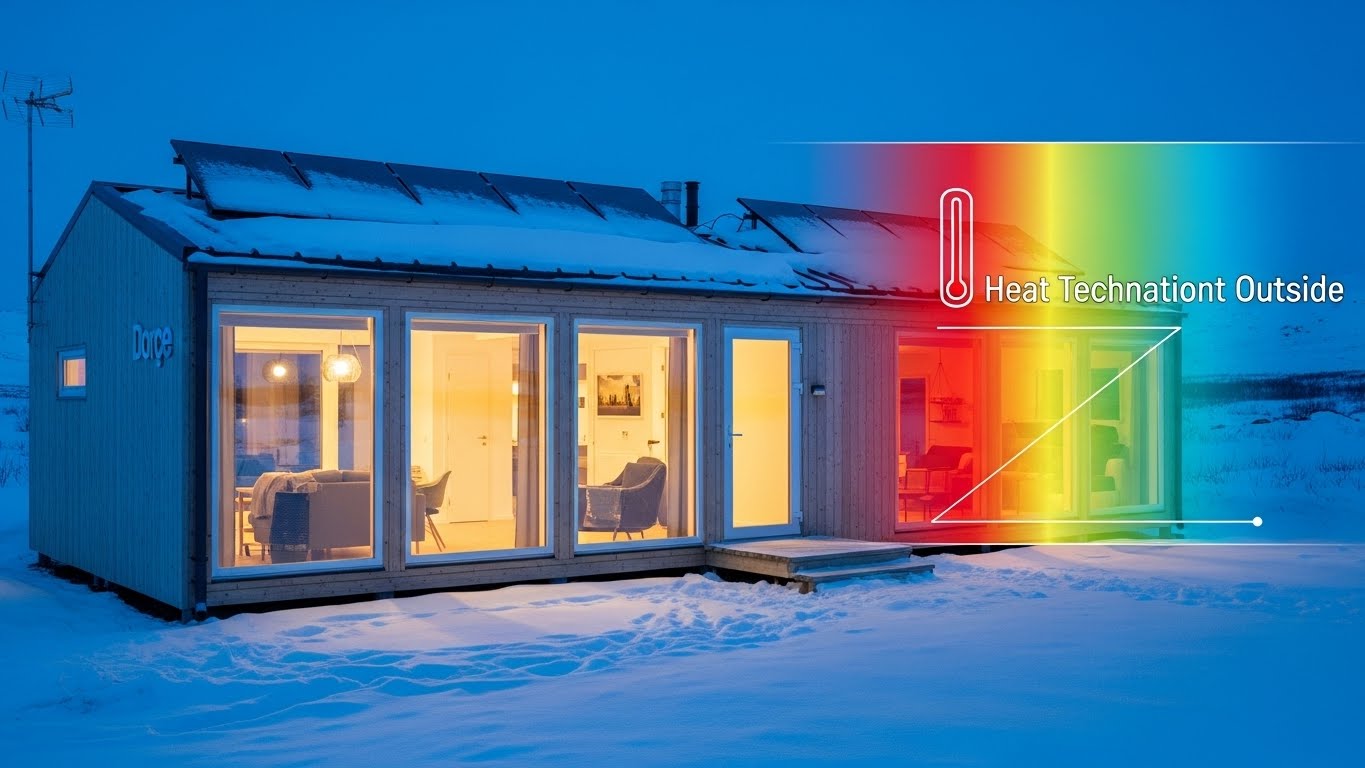
Temporary housing solutions play a critical role in remote areas where access to permanent infrastructure is limited. From workforce accommodation in mining and energy projects to humanitarian housing and emergency settlements, operational costs and energy availability are constant challenges. Energy efficient temporary housing has become a strategic necessity, enabling lower operating expenses, improved living conditions, and long term sustainability in locations where power generation and fuel supply are often constrained.
What Is Energy Efficiency in Temporary Housing?
Energy efficiency in temporary housing refers to the design, construction, and operation of housing units that minimize energy consumption while maintaining thermal comfort, indoor air quality, and functional performance. This is achieved through optimized insulation, airtight building envelopes, efficient HVAC systems, energy saving lighting, and intelligent layout design.
In remote areas, energy efficiency is especially important because electricity is often generated through diesel generators, hybrid systems, or limited grid connections. Reducing energy demand directly lowers fuel consumption, logistics complexity, and maintenance requirements, making temporary housing more economical and reliable over its operational life.
Advantages of Energy Efficient Temporary Housing
The primary advantage is reduced operational cost. Lower heating, cooling, and lighting demand significantly decreases fuel and electricity expenses, which can represent a major portion of total project costs in remote locations.
Improved thermal comfort is another key benefit. Well insulated and properly ventilated housing units maintain stable indoor temperatures despite extreme external climates, whether hot, cold, or humid. This directly impacts occupant wellbeing, productivity, and health.
Energy efficient designs also enhance system reliability. By reducing peak loads, generators and power systems operate more efficiently and experience less wear. This lowers maintenance needs and minimizes the risk of outages in critical housing facilities.
Sustainability is an additional advantage. Reduced fuel consumption leads to lower emissions and environmental impact, supporting corporate sustainability goals and compliance with international standards often required in humanitarian and publicly funded projects.
Usage Areas in Remote and Temporary Housing Projects
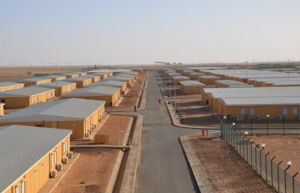
Energy efficient temporary housing is widely used in mining, oil and gas, and renewable energy projects where camps are located far from urban centers. Worker accommodation units designed for low energy consumption help operators control long term operational budgets.
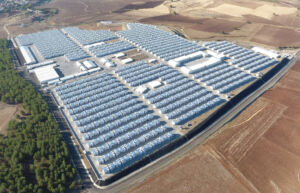
In humanitarian and emergency response projects, energy efficient housing supports reliable living conditions in refugee camps and disaster affected areas where energy access is limited. Lower power demand allows basic services to operate even with minimal infrastructure.
Military bases, infrastructure construction sites, and large scale remote industrial developments also benefit from energy efficient temporary housing. These projects often require scalable solutions that can operate independently while maintaining comfort and durability.
Dorce’s Difference and Conclusion
Dorce Prefabricated Construction integrates energy efficiency into the core design of its temporary housing solutions. Rather than treating efficiency as an add on, Dorce engineers housing units with optimized insulation systems, high performance wall and roof assemblies, and energy efficient mechanical and electrical systems from the earliest design stage.
By combining prefabricated steel structures, modular building technologies, and climate specific engineering, Dorce delivers temporary housing that performs reliably in remote and demanding environments. Solutions can be further enhanced with hybrid power systems, renewable energy integration, and smart energy management strategies to reduce operational costs even further.
Energy efficiency is no longer optional in temporary housing projects, especially in remote areas where every unit of energy has a cost. Through its turnkey approach and global experience, Dorce continues to deliver temporary housing solutions that balance speed, comfort, and long term operational efficiency, ensuring sustainable performance where it matters most.