
From 50 to 5,000: Scalable Modular Solutions for Alaska’s Gold and Copper Mines
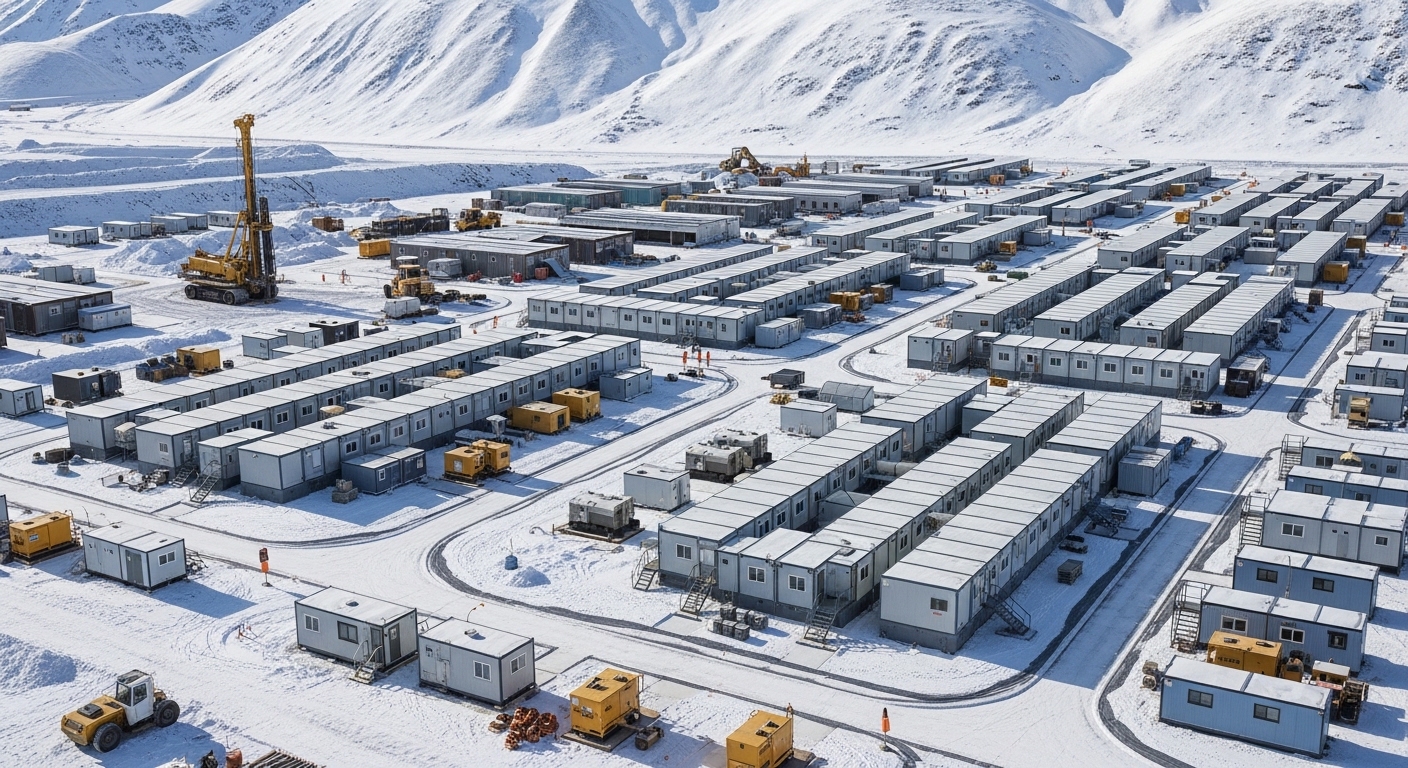
Alaska hosts some of the largest undeveloped gold and copper resources in North America. Mining projects in regions such as Interior Alaska, the Brooks Range, and emerging mineral belts require infrastructure that can evolve alongside project development stages. During early exploration phases, a small team of geologists and drilling crews may operate from a camp housing fewer than 50 people. As the project advances toward construction and production, workforce populations can expand to several thousand workers.
This dynamic growth requires accommodation infrastructure that is scalable, rapidly deployable, and capable of operating in extreme Arctic conditions. Modular construction has become the preferred solution for mining workforce housing in Alaska because it allows projects to expand from small exploration camps to large-scale operational settlements without rebuilding infrastructure from scratch.
The Workforce Lifecycle of a Mining Project
Mining developments typically progress through several operational phases, each requiring different workforce sizes and infrastructure capacity.
Typical stages include:
• Early exploration camps supporting geological surveys
• Expanded drilling camps during resource evaluation
• Construction camps during mine development
• Large workforce accommodation during production operations
• Reduced operational camps after commissioning
Workforce accommodation systems must therefore be flexible enough to support both small and large populations as the project evolves.
Exploration Phase: Small Remote Camps
Early exploration activities often involve small teams working in extremely remote areas. These teams require lightweight infrastructure that can be deployed quickly with minimal environmental disturbance.
Typical facilities during this phase include:
• Small modular dormitory units
• Mobile kitchens and dining facilities
• Portable sanitation and laundry units
• Basic medical and safety facilities
• Communication and logistics offices
Modular systems allow these small camps to be installed rapidly and relocated if exploration sites change.
Drilling and Evaluation Phase: Expanding Camp Capacity
Once exploration confirms the presence of economically viable mineral deposits, drilling and evaluation operations expand significantly. Workforce numbers may grow from dozens to several hundred workers.
Infrastructure requirements increase to include:
• Larger accommodation buildings
• Expanded dining halls and kitchens
• Recreation and relaxation areas
• Equipment storage and maintenance workshops
• Enhanced utility systems for power and water
Modular construction allows these additional facilities to be added quickly without disrupting ongoing operations.
Construction Phase: Large Workforce Accommodation
During mine construction, workforce populations often reach their peak. Large gold and copper mines can require several thousand workers during this phase.
Major construction camps may include:
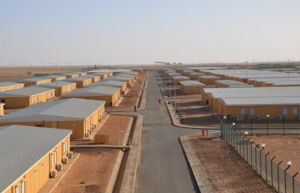
• Large dormitory complexes
• Central dining halls capable of serving thousands of meals daily
• Medical clinics and emergency treatment centers
• Fitness and recreation facilities
• Administrative and engineering offices
• Warehouses and logistics centers
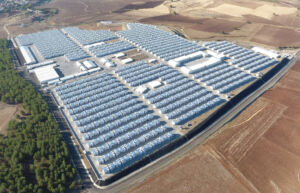
At this scale, workforce camps function as temporary towns supporting continuous industrial operations.
Production Phase: Optimized Long-Term Camps
Once the mine enters production, workforce numbers often stabilize at a lower level compared to peak construction phases. Camps must therefore transition into efficient long-term accommodation systems.
Operational camps may include:
• Permanent workforce housing modules
• Long-term maintenance workshops
• Training facilities and offices
• Expanded recreation and social infrastructure
Modular construction allows certain buildings to be relocated or repurposed as the workforce changes.
Engineering for Arctic Mining Environments
Mining projects in Alaska face environmental conditions that require specialized structural engineering.
Key challenges include:
• Extreme winter temperatures below −40°C
• Heavy snow loads and drifting
• High winds across open tundra landscapes
• Permafrost ground conditions affecting foundations
• Seasonal construction windows
Modular steel structures provide high structural strength while maintaining flexibility for transport and installation in remote locations.
High-Performance Building Envelopes
Energy efficiency is essential in Arctic mining camps because heating demand is extremely high.
High-performance modular buildings typically incorporate:
• Insulated sandwich panel wall systems
• Triple-glazed windows with thermal breaks
• Continuous vapor barriers
• High-efficiency insulation materials
• Airtight construction methods
These systems reduce heat loss and improve energy efficiency, lowering fuel consumption in remote camps.
Utility Infrastructure for Large Workforce Camps
A camp housing thousands of workers requires extensive utility systems. Modular infrastructure allows these systems to be delivered as prefabricated packages.
Typical utilities include:
• Diesel or hybrid power generation systems
• District heating systems
• Water purification and storage facilities
• Wastewater treatment plants
• Fire protection systems
• Communications and data networks
Integrating these systems within modular utility buildings accelerates installation and improves reliability.
Logistics and Transportation Strategy
Transporting construction materials to remote mining districts in Alaska is complex and expensive. Modular construction simplifies logistics by consolidating building components into complete structural units.
Transportation methods may include:
• Marine shipping to coastal ports
• Rail transportation where available
• Long-distance trucking routes
• Air transport for urgent equipment and personnel
Reducing the number of shipments required improves logistical efficiency and reduces environmental impact.
Workforce Well-Being and Productivity
Worker comfort is essential in remote mining environments where employees may live on-site for extended periods. Modern modular camps provide high-quality living conditions that support workforce health and productivity.
Facilities often include:
• Comfortable dormitory accommodation
• Fitness and recreation centers
• Dining facilities and social spaces
• Medical clinics and emergency response units
• Reliable communication and internet connectivity
Providing high-quality living environments helps maintain morale and workforce stability.
Dorçe Prefabrik Capabilities in Scalable Mining Infrastructure
Dorçe Prefabrik has extensive experience delivering modular and prefabricated construction solutions for large industrial and energy projects in remote environments. The company integrates engineering expertise, industrial manufacturing, logistics planning, and installation services to deliver scalable workforce accommodation systems.
Key capabilities include:
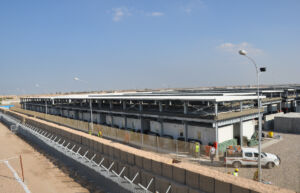
• Modular workforce accommodation camps
• Integrated Life Support Areas including dining, medical, and recreation facilities
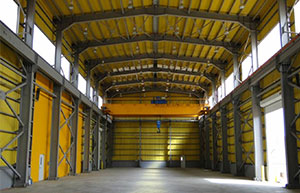
• Prefabricated steel structures designed for extreme climates
• Off-site manufacturing enabling rapid mobilization
• Turnkey EPC delivery from design through commissioning
These capabilities allow Dorçe to support mining developments that require infrastructure capable of expanding from small exploration camps to large operational settlements.
Dorçe-related conclusion
Mining projects in Alaska often evolve from small exploration operations to large-scale industrial developments involving thousands of workers. Accommodation infrastructure must therefore be scalable, durable, and capable of operating in extreme Arctic environments. Modular construction provides the flexibility required to support this growth by allowing camps to expand gradually as workforce demand increases. Through advanced prefabricated modular construction and integrated project delivery, Dorçe Prefabrik provides scalable workforce housing systems that support the development of Alaska’s gold and copper mining sector while ensuring operational efficiency and worker safety.
Tags
Tags