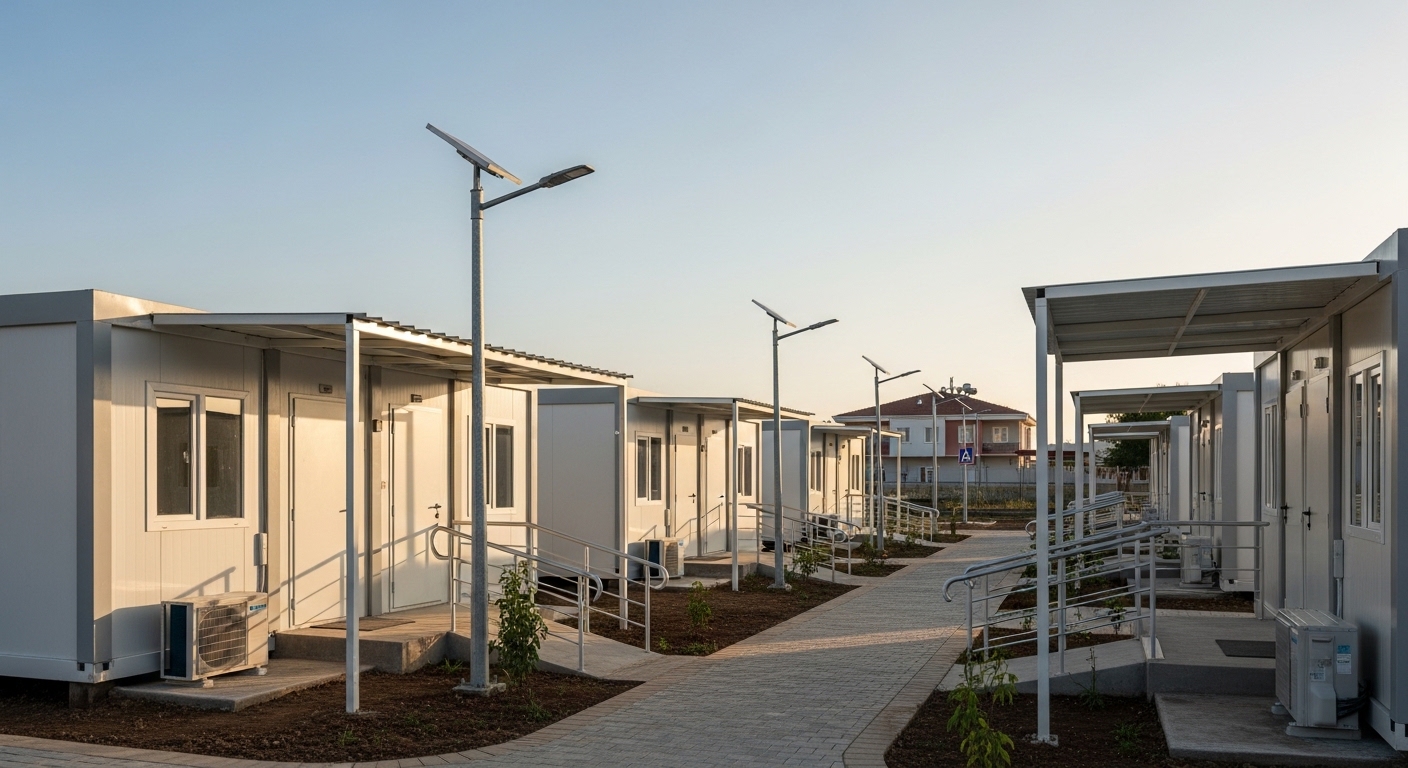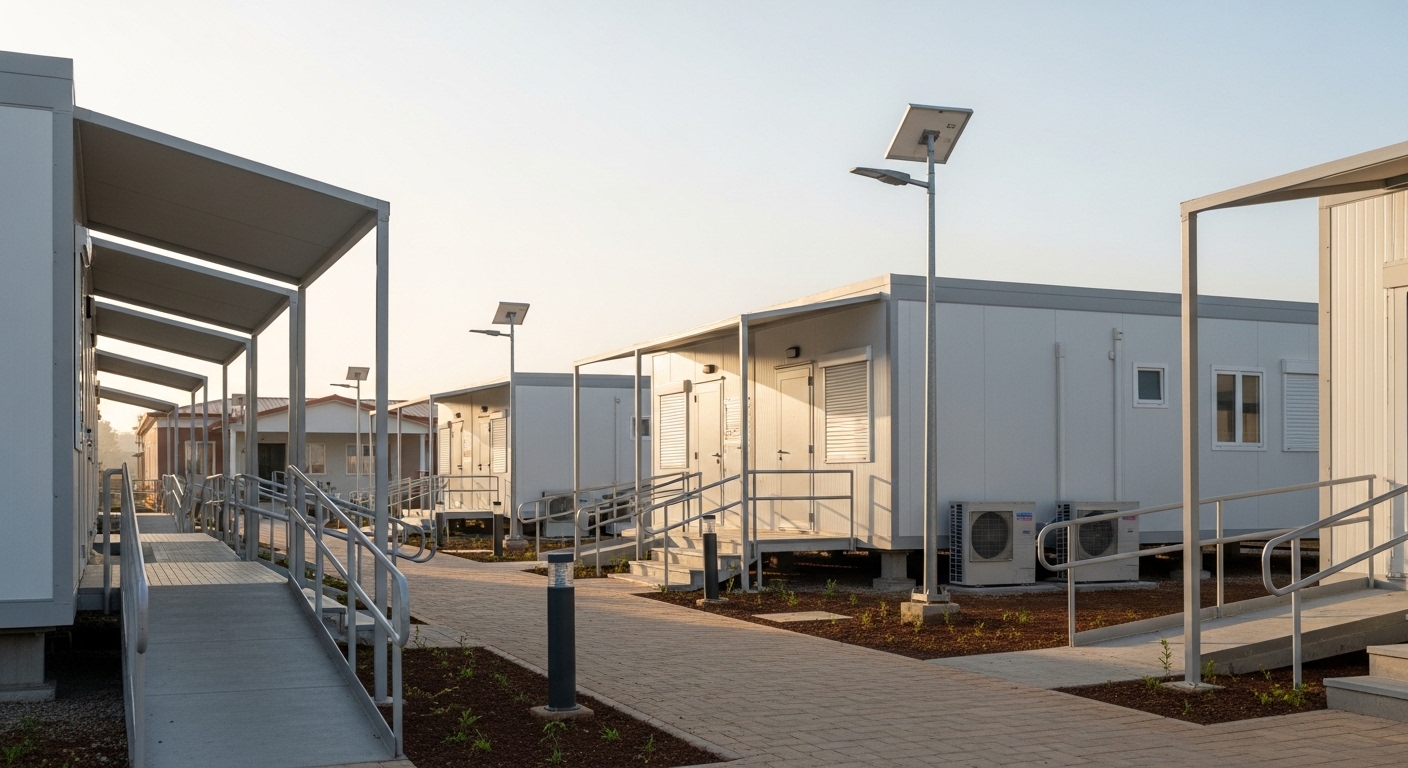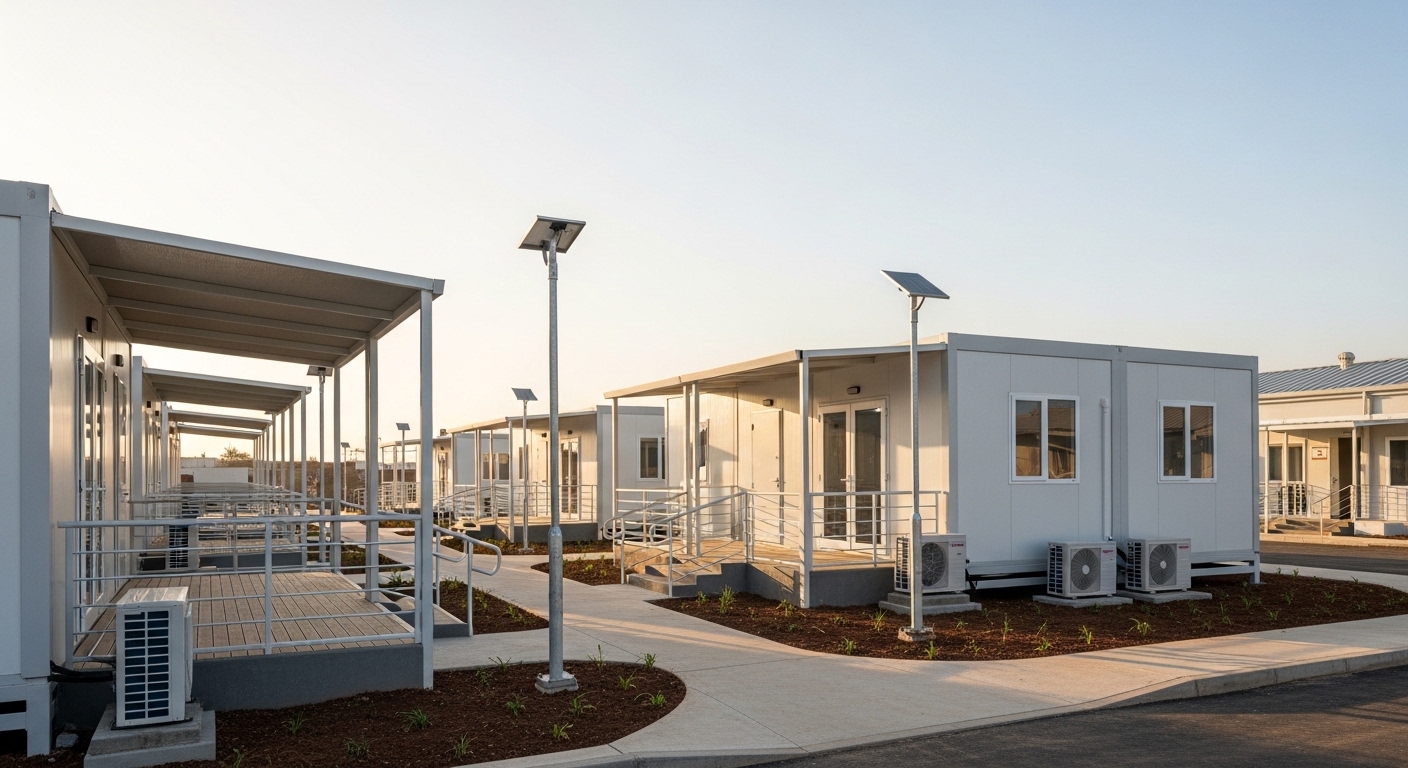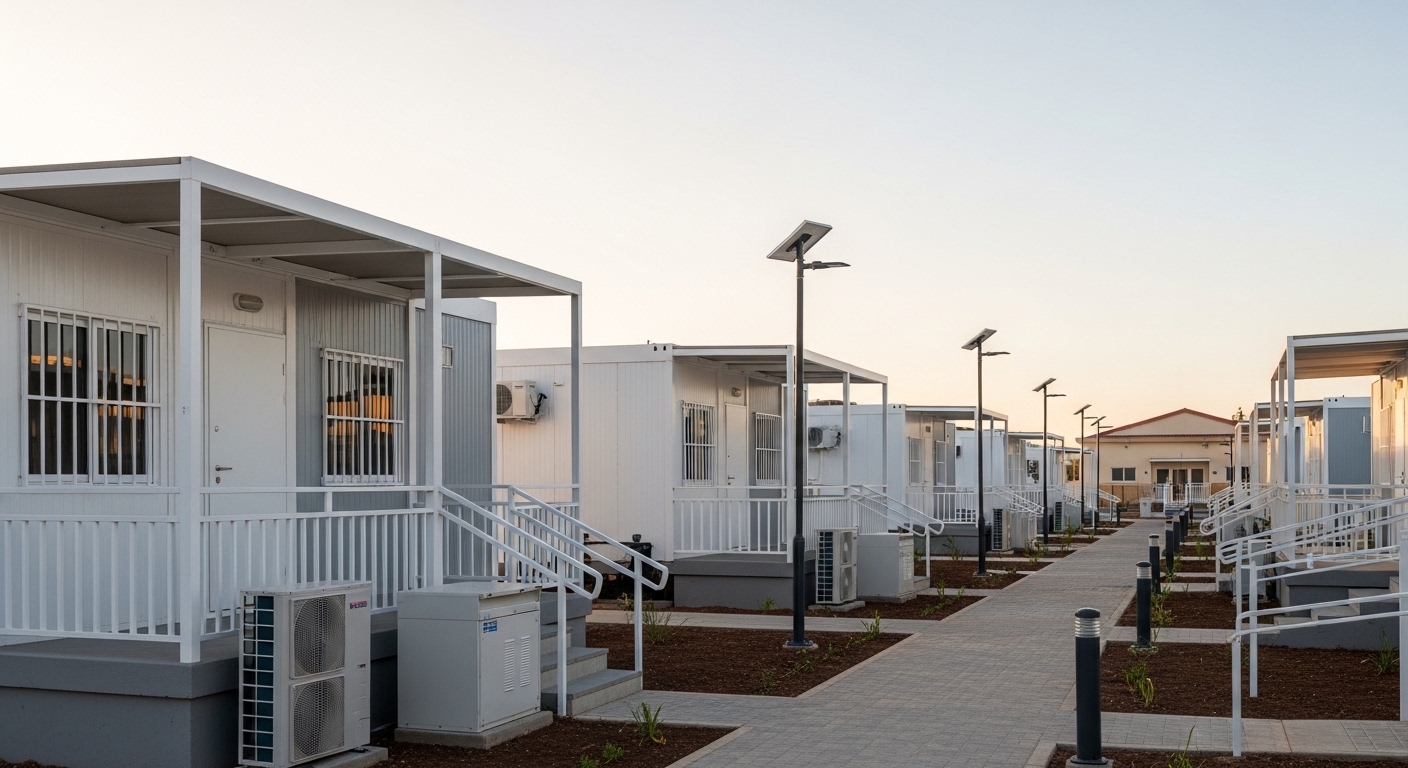
Gaza Prefab Housing: Rapid Modular and Container Homes for Emergency Shelter and Reconstruction
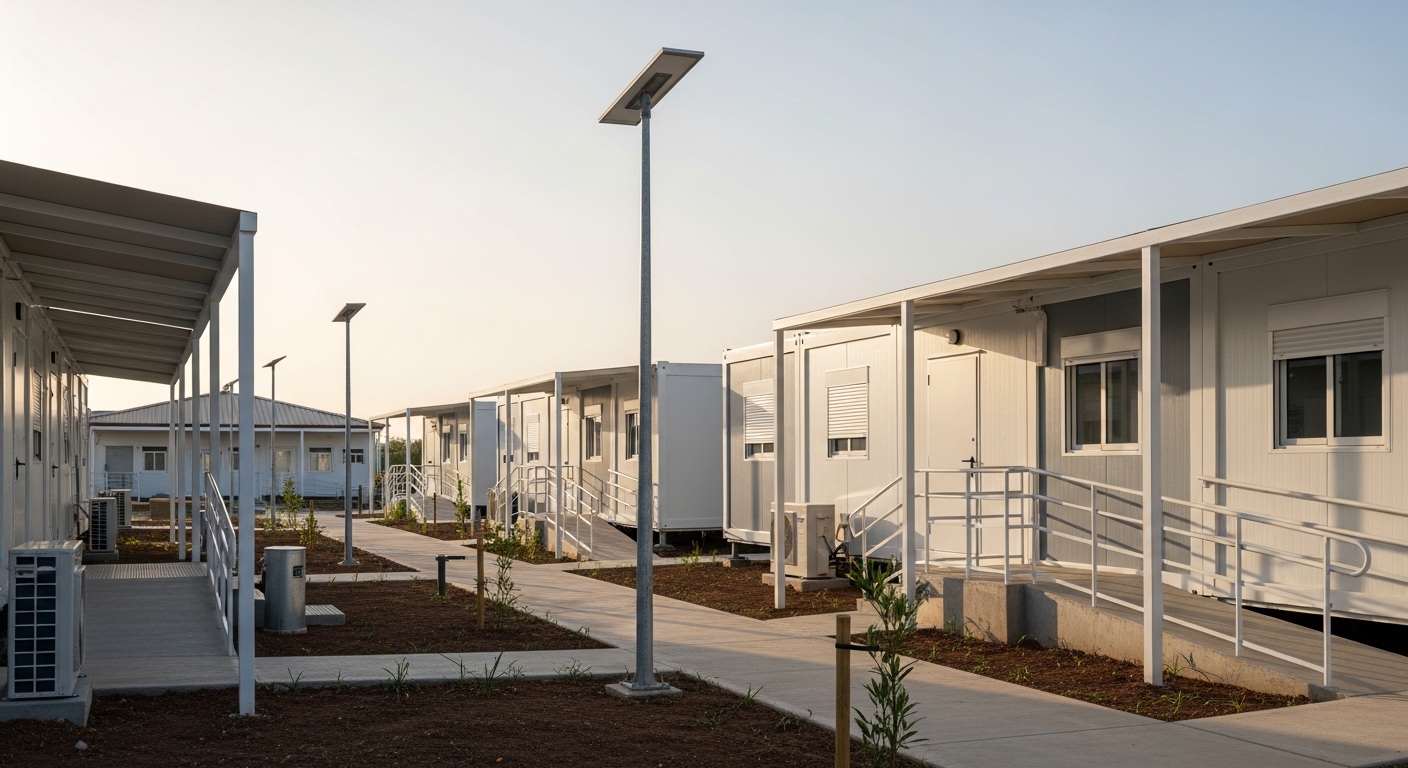
Gaza needs housing solutions that can be delivered quickly, assembled safely, and scaled without long on site construction cycles. Prefabricated housing, modular homes, and container based units support rapid shelter delivery while enabling better quality control, predictable schedules, and phased expansion. For humanitarian response, public sector programs, and contractor led reconstruction, the key is a system approach: standardized modules, reliable utilities integration, and a supply chain that can mobilize under challenging logistics.
What is Gaza prefab housing?
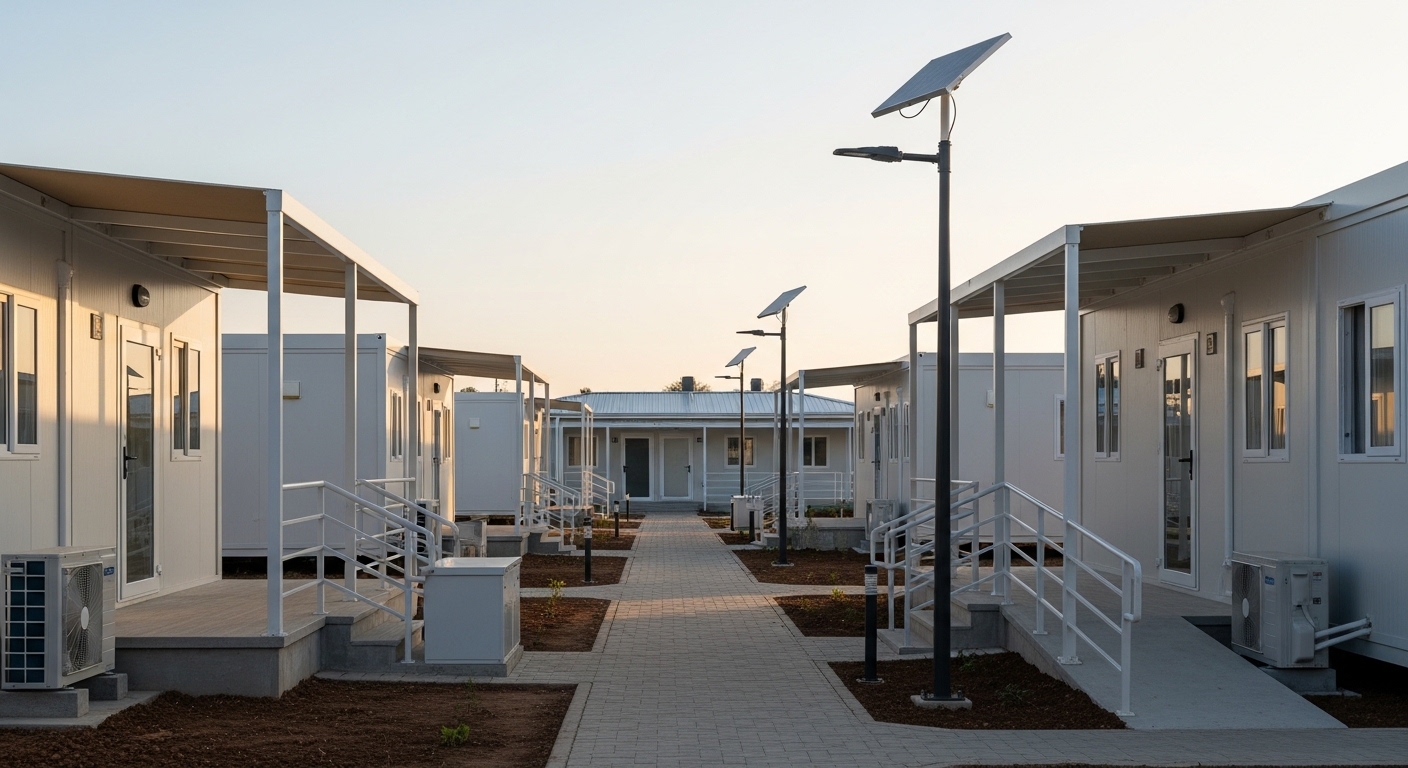
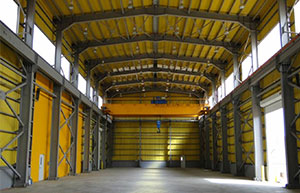
Prefab housing refers to buildings manufactured in a controlled production environment and shipped to the project location for fast installation. In practice, Gaza prefab housing can be delivered as flatpack units, panelized systems, volumetric modules, or modified container solutions depending on access constraints, lifting capacity, and required speed.
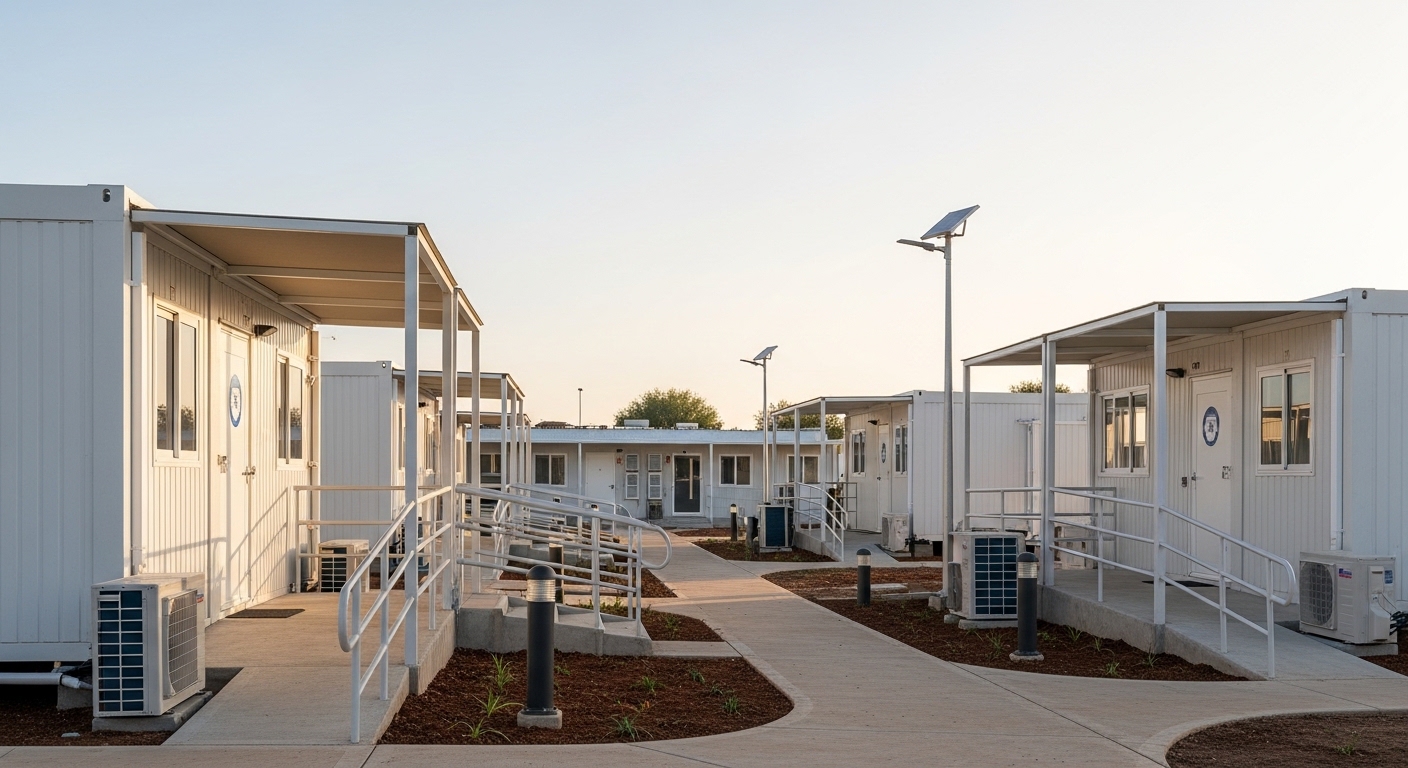
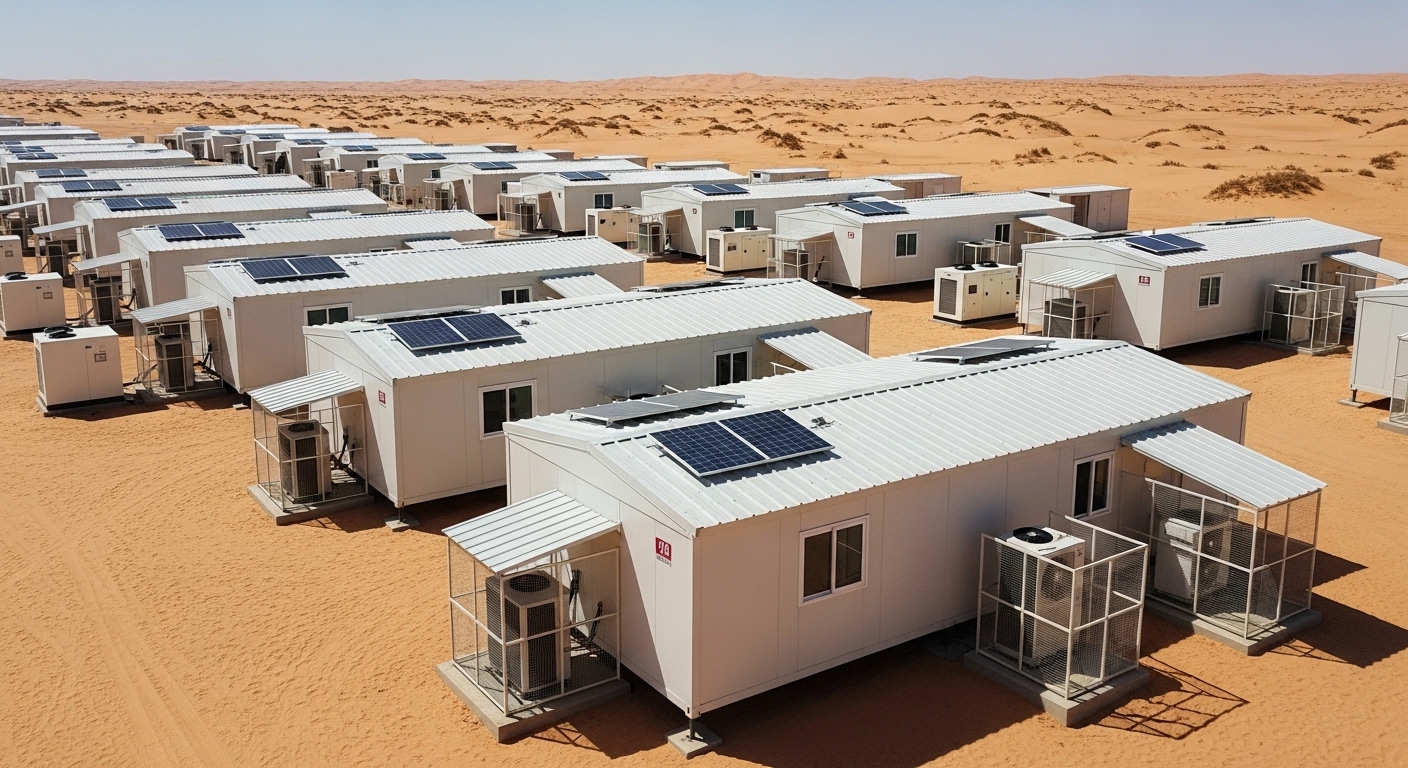
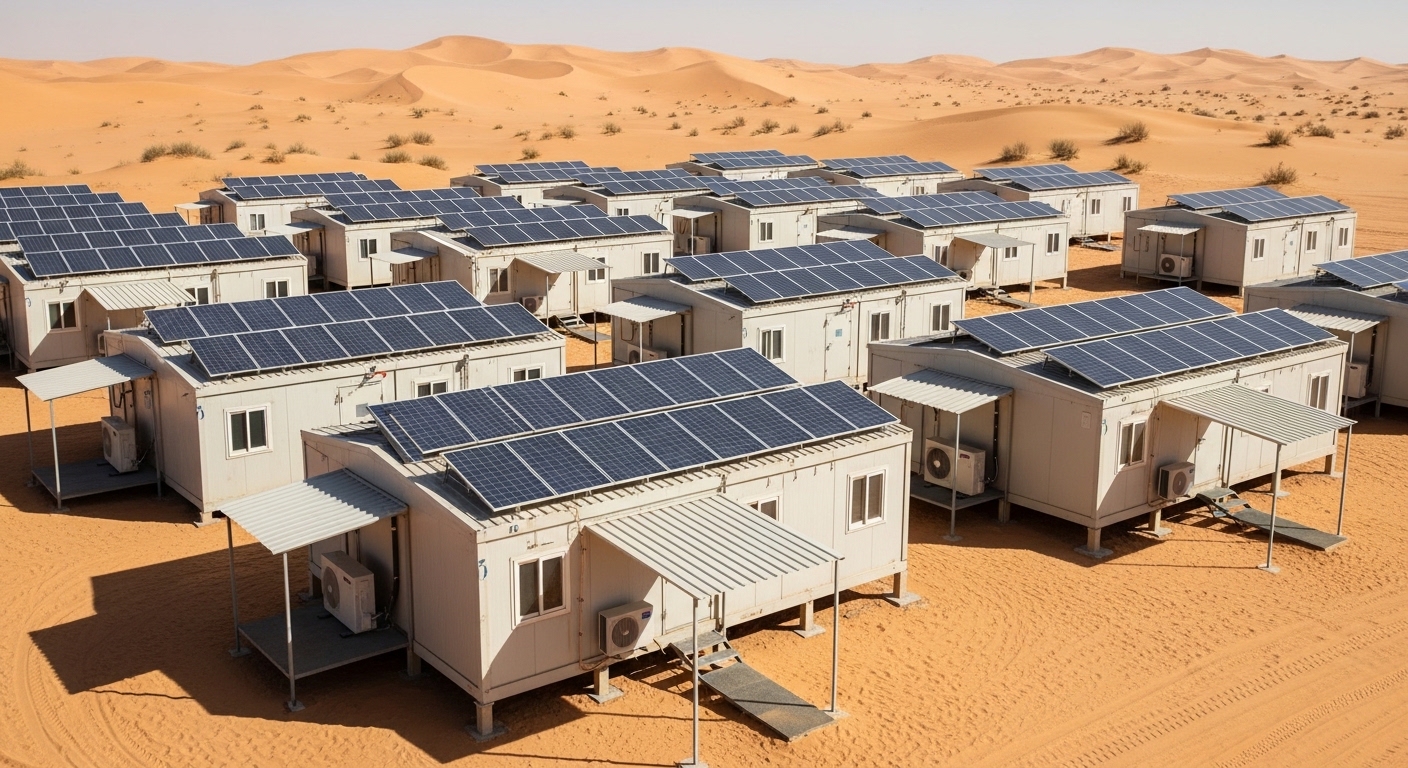
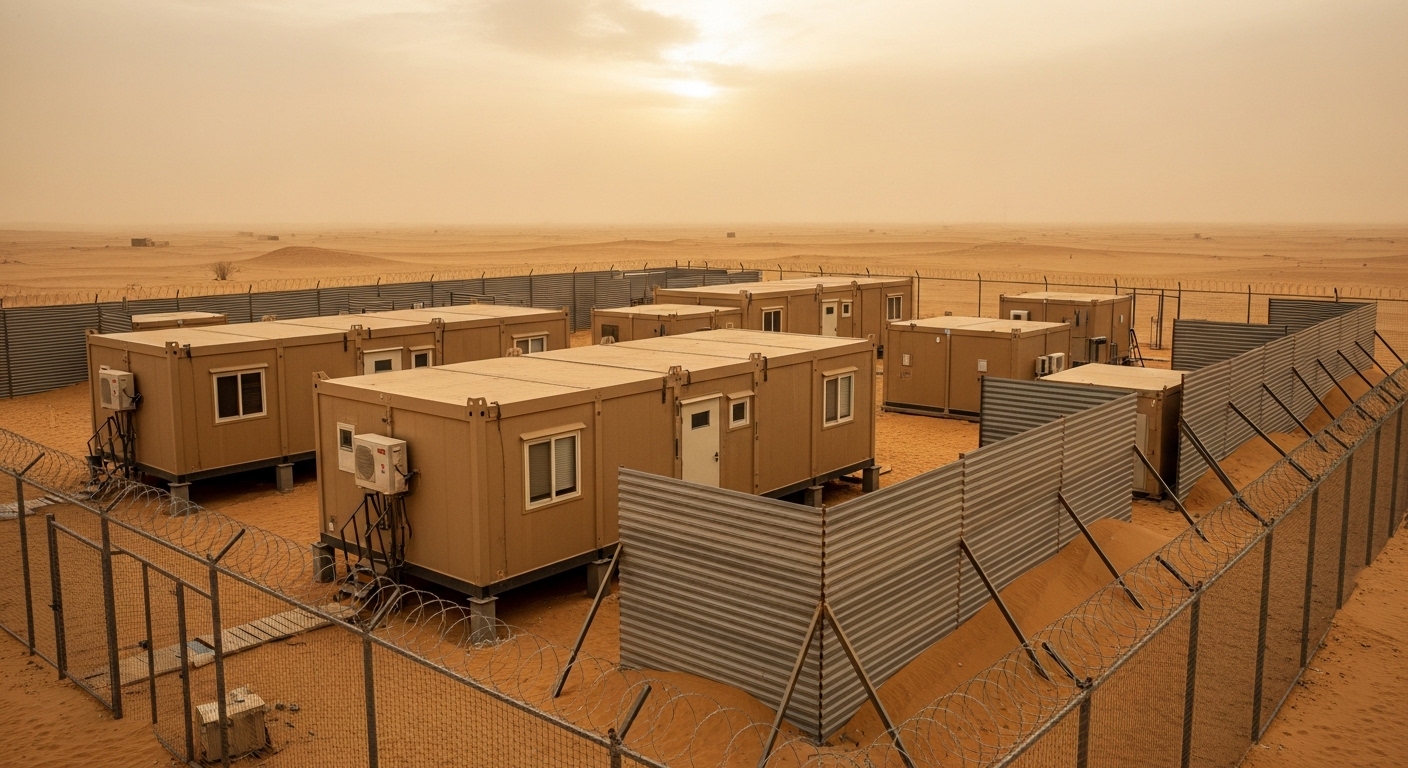
Modular homes are composed of repeatable room sized or functional modules that connect on site. This makes it possible to expand from emergency shelters to transitional housing and then to more permanent community assets such as clinics, classrooms, administration units, kitchens, laundries, and sanitation blocks. Container homes use ISO container dimensions as a transport and structural reference. They can be deployed as single units or combined into multi unit compounds, with insulation, HVAC, MEP integration, and interior fit out designed for the intended occupancy.
For Gaza, the most important performance factors are thermal comfort, ventilation, moisture management, fire safety, durable finishes, and quick utility hook up. A well engineered prefab system also supports standardized spare parts, consistent maintenance routines, and predictable operating costs.
Advantages
Speed is the first advantage. Factory manufacturing allows parallel progress: while site preparation is ongoing, production continues. Once delivered, installation is measured in days rather than months, especially when foundations and utility corridors are planned in advance.
Quality control is another advantage. Controlled manufacturing reduces workmanship variability, supports documented inspections, and enables consistent insulation, sealing, and electrical safety standards. This matters for occupant health and long term durability.
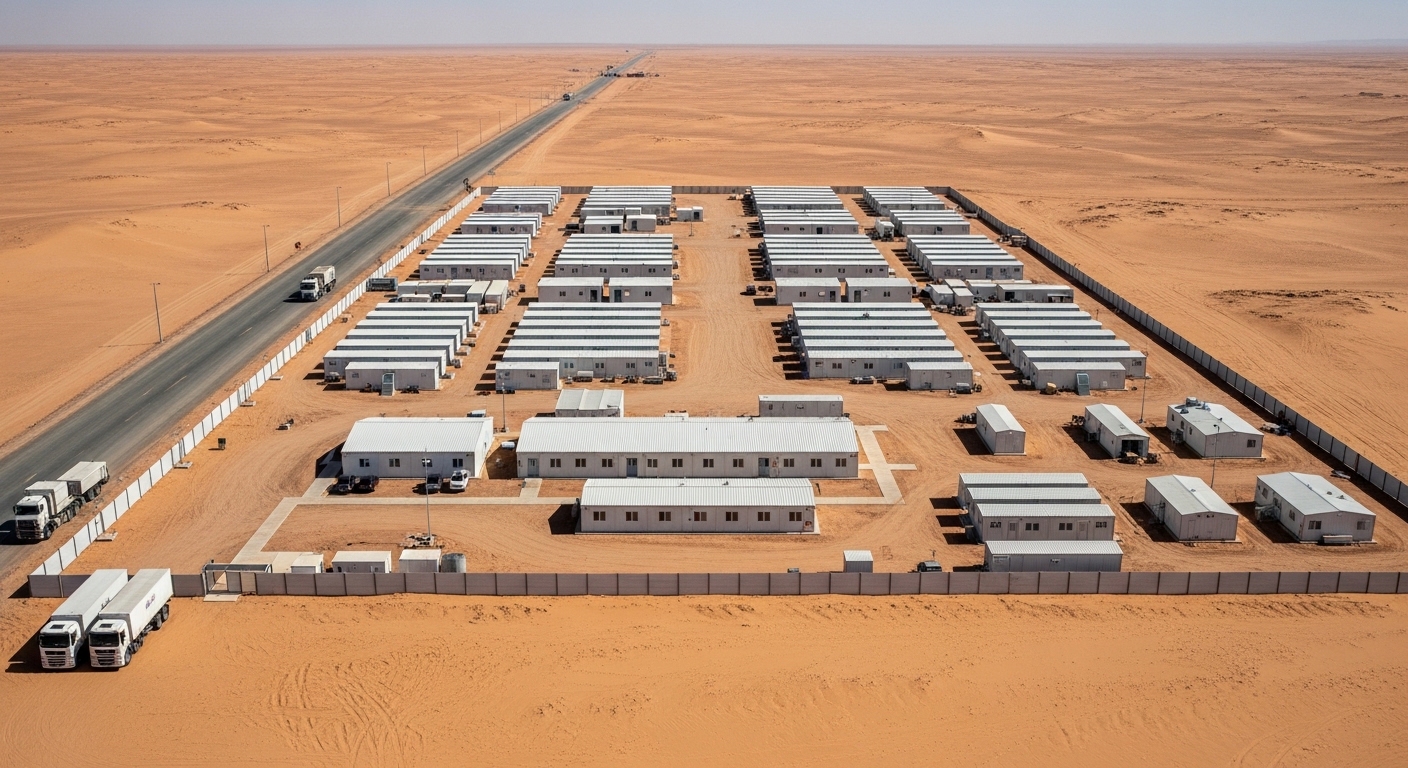
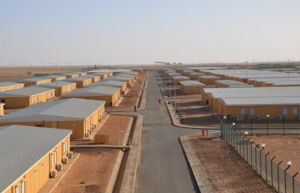
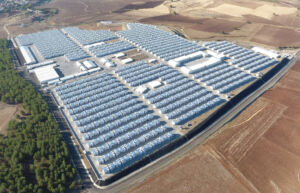
Scalability and repeatability improve program delivery. Standard modules allow multiple neighborhoods or compounds to be delivered with consistent layouts and clear bill of materials, simplifying procurement and logistics. It also supports phased rollouts, where housing units arrive first, followed by community and support buildings.
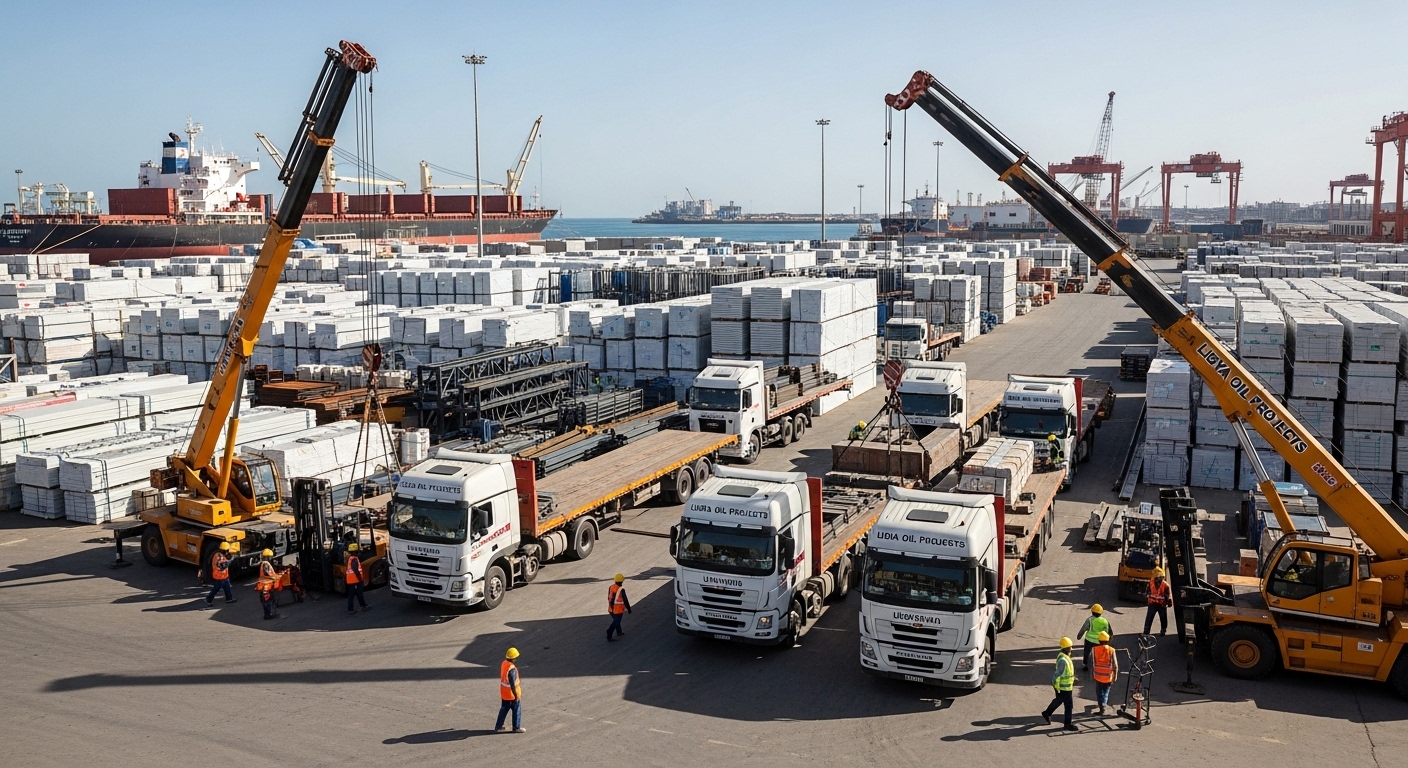
Logistics flexibility is critical. Flatpack and panelized systems can reduce transport volume. Volumetric modules reduce on site labor needs. Container based solutions can leverage established handling methods where crane access and stacking constraints are understood. A hybrid approach can be used across sites, matching the system to access realities.
Sustainability and lifecycle efficiency are increasingly relevant. Efficient envelopes reduce energy demand. Better HVAC sizing and airtightness improve comfort. Factory optimization reduces waste, and standardized maintenance reduces lifecycle costs.
Usage Areas
Emergency and transitional housing programs use prefab homes to create dignified living spaces with faster deployment. Units can include integrated bathrooms, kitchens, and shaded outdoor zones depending on site planning.
Community infrastructure can be delivered with the same modular logic. Clinics, triage units, pharmacies, mobile laboratories, vaccination rooms, and temporary hospitals can be modularized for rapid commissioning. Education buildings such as classrooms, admin offices, and libraries can be expanded as enrollment grows.
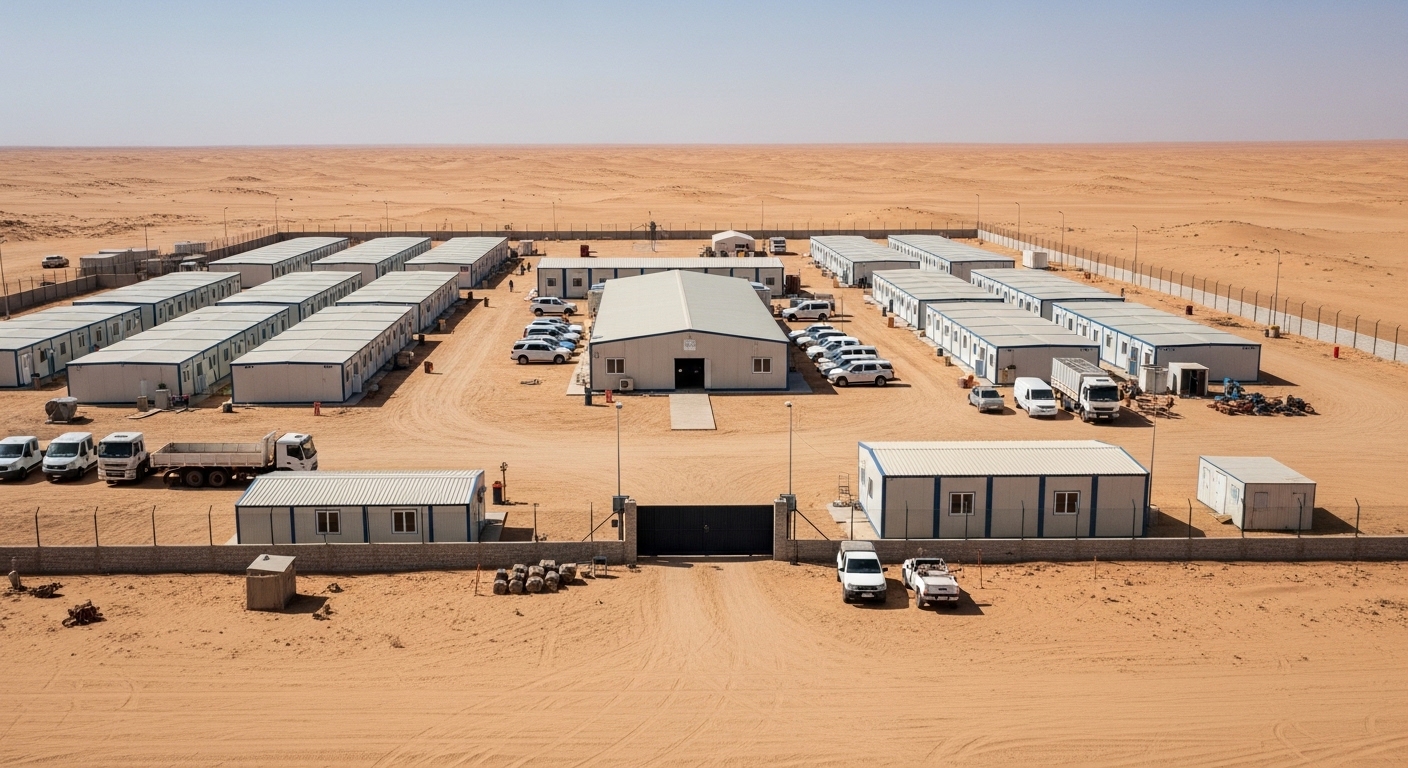
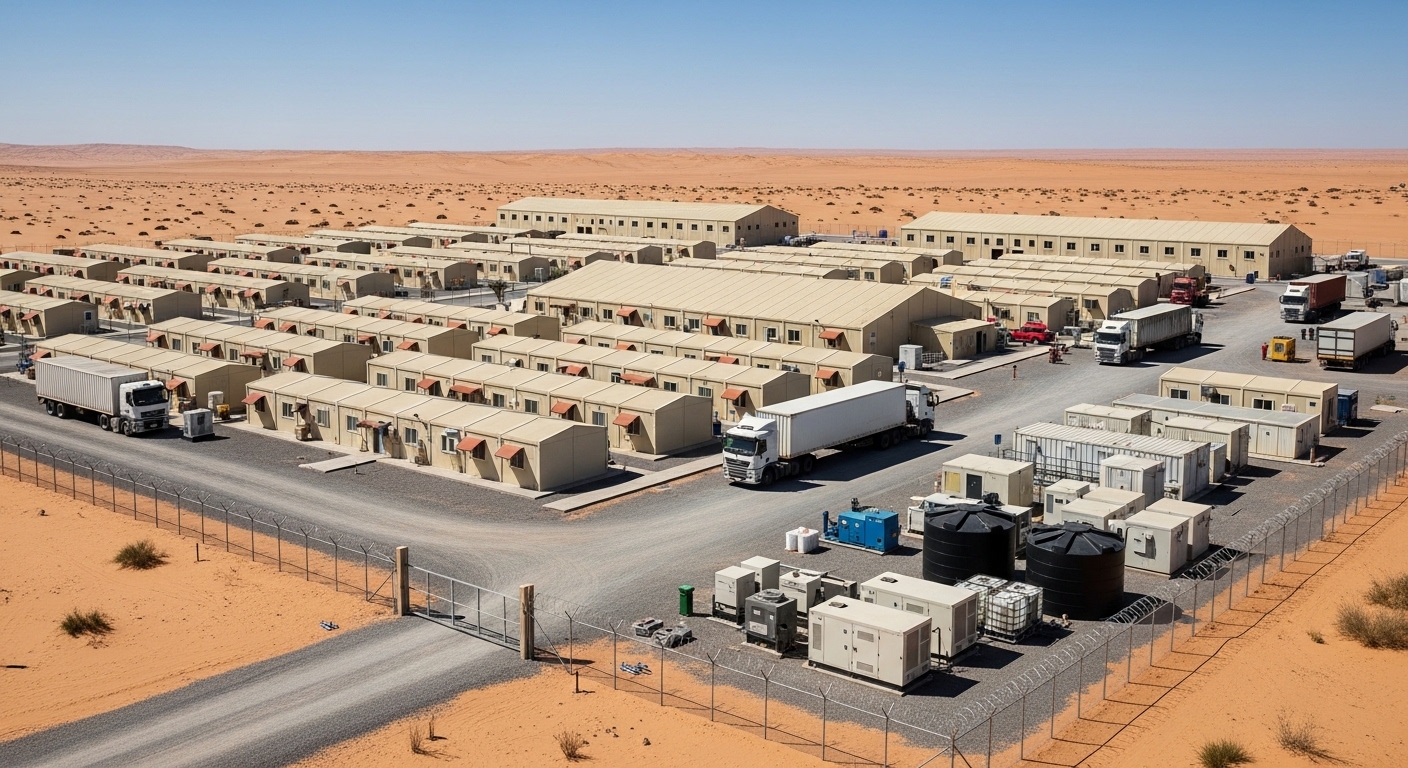
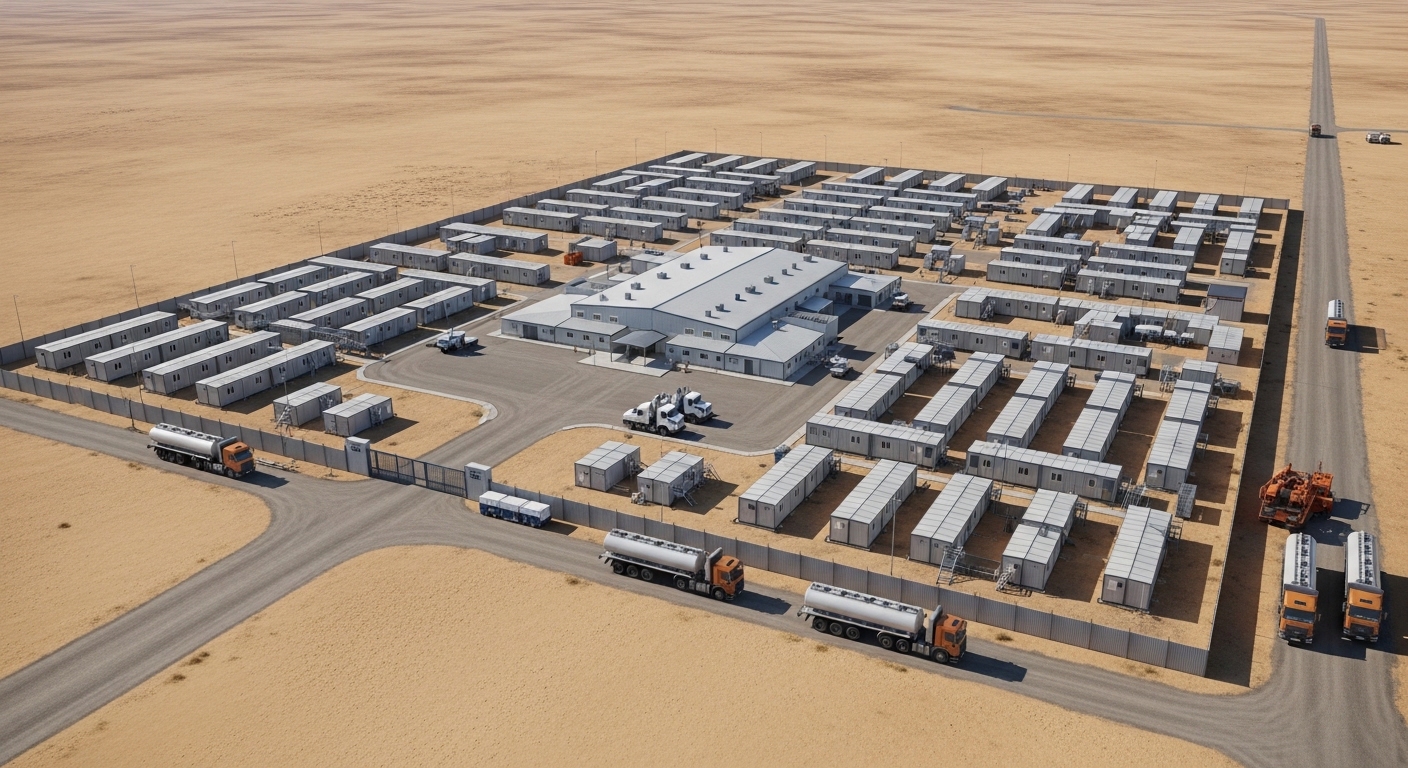
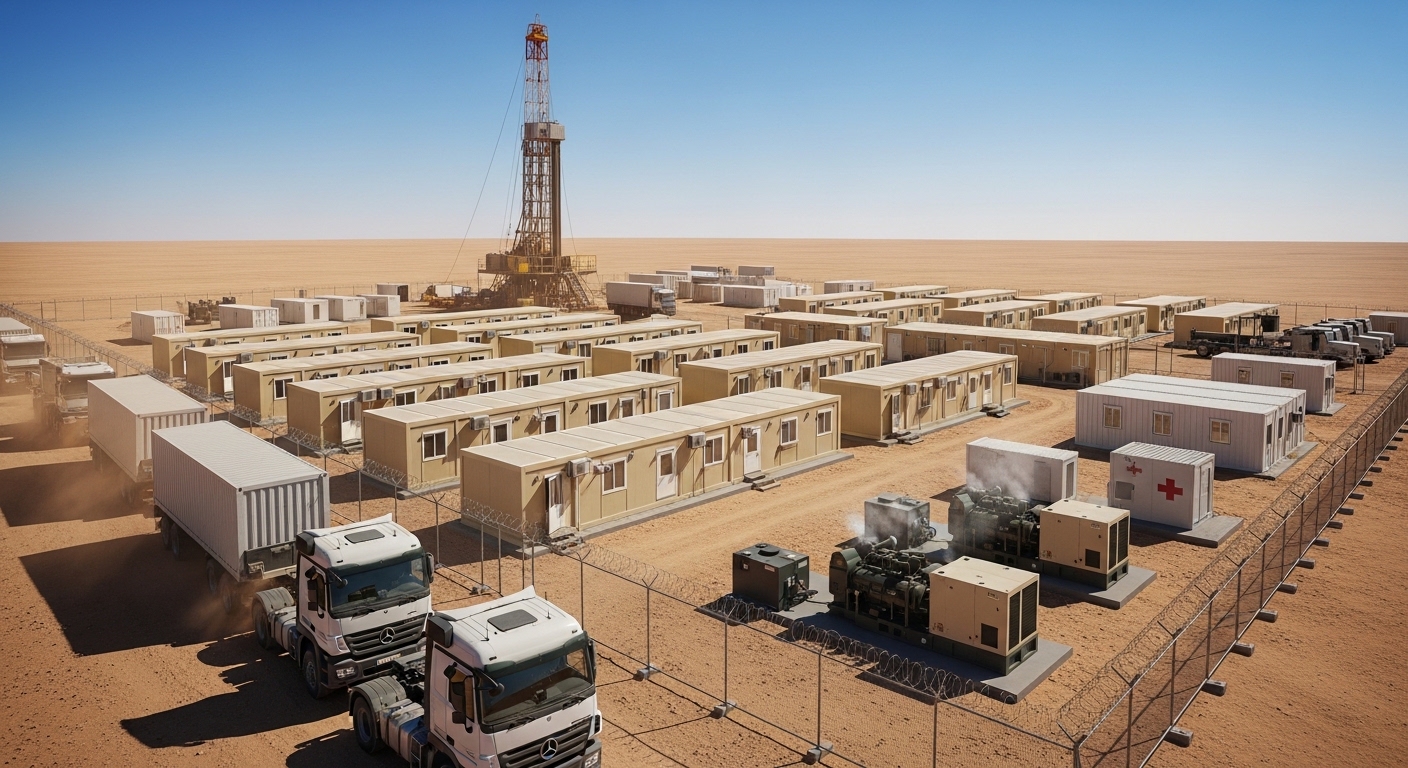
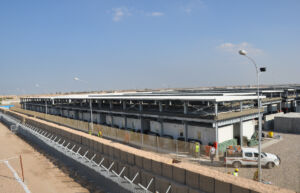
Workforce accommodation is another use case during reconstruction. Contractor camps, site offices, dining halls, security gates, and welfare facilities can be deployed close to project zones, improving productivity and safety while reducing pressure on local housing.
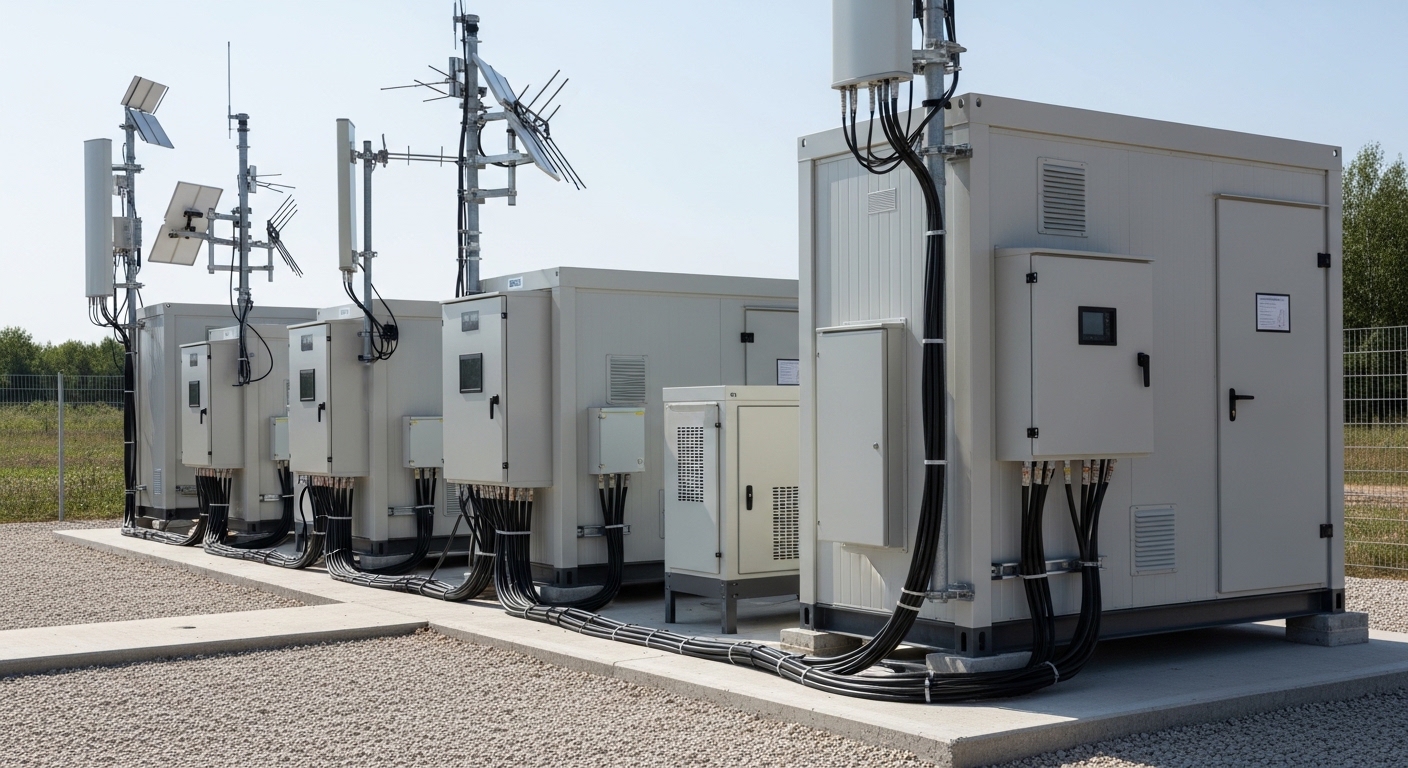
Utilities and support buildings are also highly suitable for modular delivery. Sanitation blocks, ablution units, water treatment enclosures, electrical rooms, generator shelters, and communication units can be standardized and replicated.
Dorce’s Difference and conclusion
Dorce Prefabricated and Construction delivers industrialized building solutions designed for fast track deployment in demanding environments. Our approach combines engineered modular systems with integrated manufacturing capability, enabling repeatable quality and schedule reliability across large scale programs. With decades of experience in modular and prefabricated construction, Dorce supports housing and camp infrastructure projects that require rapid mobilization, controlled cost, and consistent performance.
For Gaza prefab housing and modular container homes, success depends on selecting the right typology, engineering the envelope and MEP systems for real operating conditions, and managing logistics as part of the design. Dorce focuses on end to end delivery: design coordination, manufacturing, transport planning, installation methodology, and commissioning support. This helps stakeholders move from urgent shelter delivery to scalable neighborhoods and community assets, with a clear pathway for expansion and long term operation.
If you are planning a Gaza focused prefab housing program, modular housing compound, or container based community infrastructure, Dorçe can support feasibility, system selection, and turnkey delivery aligned with schedule, quality, and lifecycle priorities.