
Global Expertise, Local Impact: Applying Mega-Scale LNG Camp Experience to Alaska
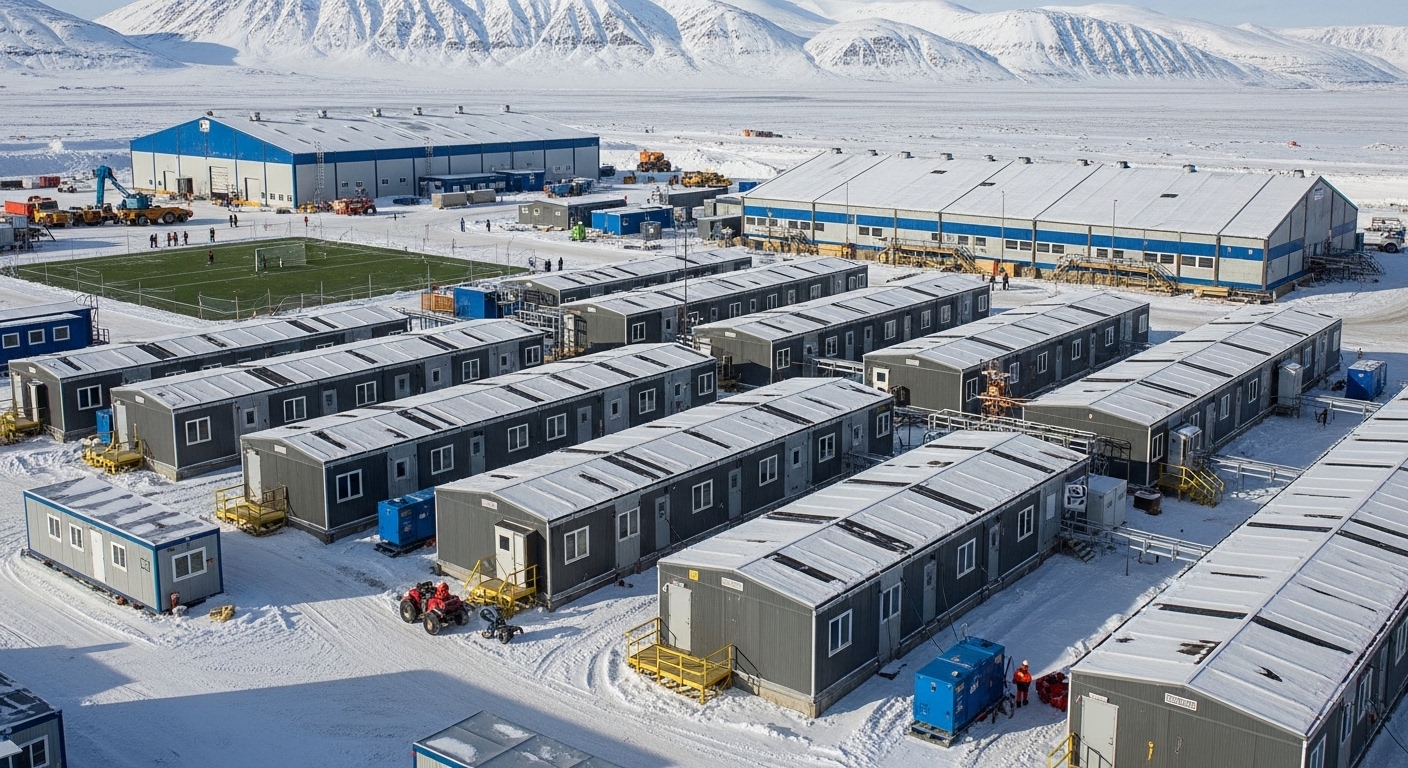
Large-scale energy projects require more than engineering expertise. They require the ability to support thousands of workers in remote and often extreme environments where logistics, infrastructure, and workforce welfare must function seamlessly. In global LNG developments, large workforce accommodation systems known as “man camps” or Life Support Areas (LSA) have become a critical component of project success. These integrated settlements provide housing, food services, healthcare, recreation, and operational support for thousands of personnel working in isolated industrial zones.
As Alaska prepares for major energy developments such as LNG infrastructure, pipeline construction, and resource extraction projects, lessons learned from mega-scale LNG camp deployments worldwide are increasingly relevant. Applying global camp engineering expertise to Alaska’s unique conditions can significantly accelerate project mobilization, improve operational efficiency, and ensure reliable workforce support in remote environments.
The Role of Workforce Camps in Mega-Scale LNG Projects
LNG projects are among the most complex infrastructure developments in the world. Construction phases typically require thousands of workers over multi-year periods, often located far from established communities.
Workforce accommodation systems in these projects must provide:
• Safe and comfortable housing for large personnel populations
• Dining and catering facilities capable of serving thousands of meals daily
• Medical clinics and emergency response infrastructure
• Recreation, fitness, and welfare facilities for worker well-being
• Utilities such as power generation, water treatment, and wastewater management
• Administrative offices and operational control spaces
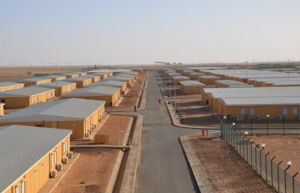
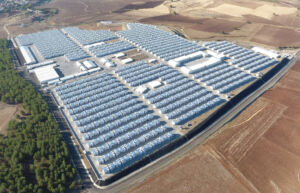
These integrated settlements operate as temporary cities designed to support major industrial projects.
Lessons from Global LNG Camp Deployments
Over the past decades, large LNG projects in regions such as the Middle East, Russia, Australia, and Africa have required camps capable of accommodating thousands of workers simultaneously.
Key lessons from these projects include:
• Industrial-scale camp planning is essential for efficient workforce logistics
• Modular construction significantly reduces mobilization timelines
• Integrated life support services improve workforce productivity and safety
• Camps must be scalable as workforce numbers fluctuate during project phases
• Reliable utilities and infrastructure are critical for continuous operations
These insights directly apply to remote energy developments in Alaska.
Why Modular Construction is Ideal for Mega Camps
Traditional construction methods struggle to deliver large workforce accommodation facilities quickly in remote environments. Modular construction addresses this challenge by shifting most construction activities to controlled factory environments.
Benefits of modular camp construction include:
• Faster project delivery timelines
• Higher construction quality due to factory production
• Reduced on-site labor requirements
• Simplified logistics and installation
• Greater flexibility for expansion or relocation
Prefabricated modules can be manufactured simultaneously with site preparation, significantly accelerating project schedules.
Alaska’s Unique Infrastructure Challenges
While Alaska offers significant resource potential, its geography and climate present major logistical challenges.
Project developers must manage:
• Remote construction sites with limited road access
• Harsh weather conditions including extreme cold and heavy snowfall
• Limited construction seasons in certain regions
• Long supply chains for building materials and equipment
• Environmental protection requirements in sensitive ecosystems
These constraints make fast, reliable construction methods essential for project success.
Applying LNG Camp Experience to Alaska
Mega-scale LNG camp expertise provides valuable insights that can be applied directly to Alaska’s energy and infrastructure projects.
Key applications include:
• Designing scalable modular workforce housing systems
• Integrating Life Support Areas that support thousands of workers
• Implementing high-performance building envelopes suitable for extreme climates
• Developing reliable camp utility systems including power generation and water treatment
• Planning efficient logistics chains for transporting modular units to remote sites
By adopting proven strategies from global LNG developments, Alaska projects can significantly reduce construction risk.
Life Support Areas: Building Complete Workforce Communities
Modern workforce camps are no longer simple accommodation blocks. Life Support Areas are designed as complete support environments that maintain worker health, safety, and productivity.
Typical facilities include:
• Accommodation buildings for workforce housing
• Dining halls and industrial kitchens
• Medical clinics and emergency response centers
• Recreation and fitness facilities
• Laundry and hygiene facilities
• Administrative and operational offices
These integrated services create a stable living environment for personnel operating in isolated locations.
Logistics and Supply Chain Planning
Delivering large modular camps to remote project sites requires careful logistics planning.
For Alaska projects, transportation may involve combinations of:
• Marine transport to coastal staging areas
• Long-haul trucking across limited road networks
• Seasonal transport windows during ice-free periods
• Specialized heavy transport for large modules
Modular construction simplifies this process by reducing the number of deliveries required and consolidating components into transportable units.
Scalability for Multi-Phase Projects
Energy projects typically progress through multiple phases, each requiring different workforce levels.
Typical phases include:
• Exploration and early development
• Site preparation and infrastructure development
• Peak construction activity
• Commissioning and operational transition
Modular camp systems allow project developers to scale accommodation capacity as workforce requirements change. Additional housing blocks and support facilities can be installed as needed without redesigning the entire camp.
Safety and Workforce Welfare
Worker safety and welfare are critical considerations in large infrastructure projects. High-quality accommodation environments contribute directly to worker performance, morale, and retention.
Modern modular camps support workforce well-being through:
• Comfortable accommodation units with climate control
• High-quality dining facilities
• Medical services and emergency response infrastructure
• Recreation areas supporting physical and mental well-being
These features help maintain productivity and reduce operational risk.
Dorçe Prefabrik Experience in Large-Scale Camp Infrastructure
Dorçe Prefabrik has extensive experience delivering large workforce accommodation projects in challenging environments. The company specializes in prefabricated modular construction solutions designed for energy, mining, defense, and infrastructure sectors.
Dorçe’s capabilities include:
• Engineering and manufacturing of modular workforce accommodation camps
• Development of integrated Life Support Areas supporting thousands of personnel
• Off-site production enabling rapid project mobilization
• Turnkey EPC delivery covering design, engineering, manufacturing, logistics, installation, and commissioning
• Experience operating in harsh climates and remote locations
These capabilities position Dorçe to support large energy and infrastructure developments requiring scalable workforce accommodation systems.
Applying global expertise from mega-scale LNG projects offers a practical pathway for delivering workforce infrastructure in Alaska’s remote development zones. Modular construction enables faster mobilization, improved construction quality, and scalable accommodation systems capable of supporting large workforces across multi-phase energy projects. By combining industrialized modular production with integrated camp planning and logistics expertise, Dorçe Prefabrik delivers high-performance workforce accommodation systems that help energy and infrastructure projects operate efficiently even in the most demanding environments.
Tags
Tags