
Humanitarian Shelters
What is..?
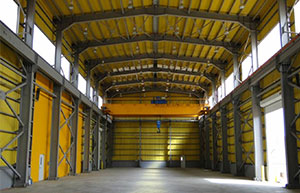
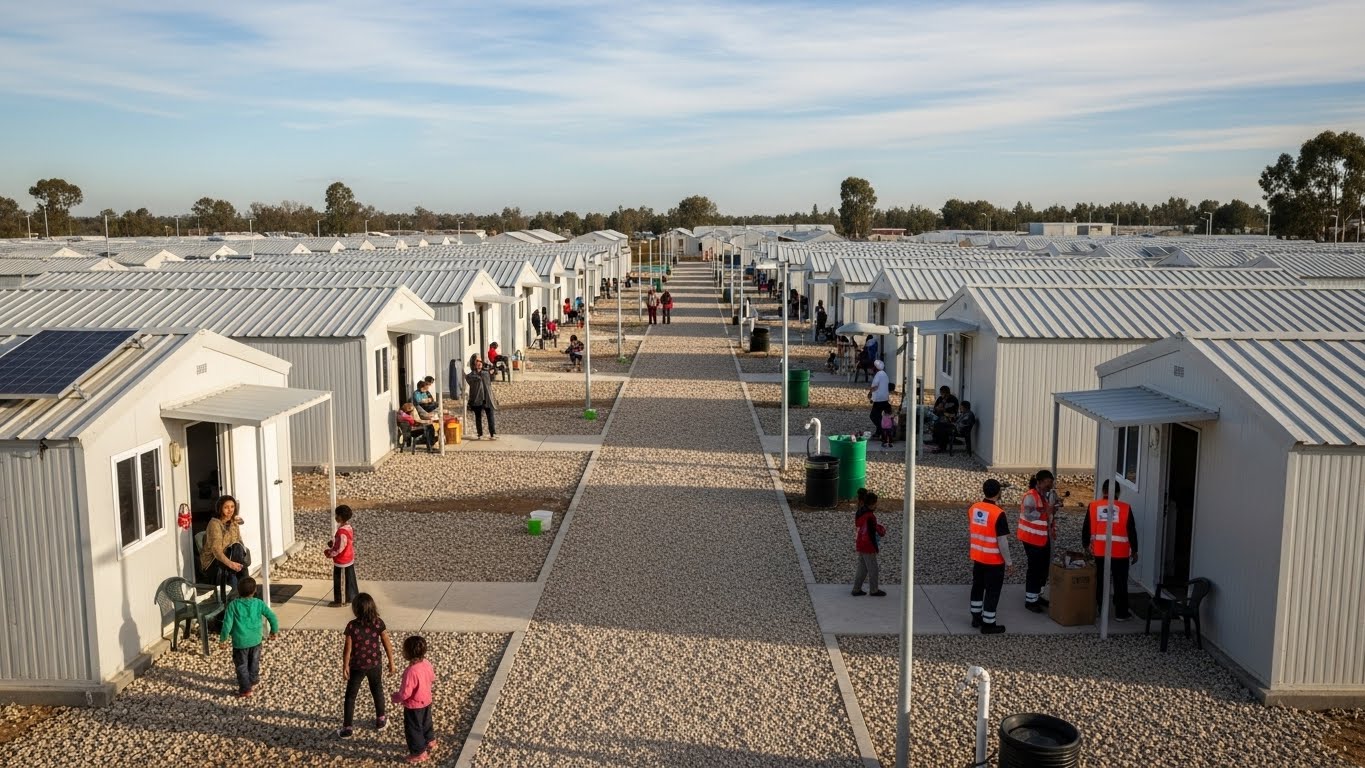
Humanitarian shelters are safe, rapidly deployable living spaces designed to protect displaced individuals and families affected by disasters, conflict or humanitarian crises. Built using prefabricated and modular construction technologies, these shelters are engineered in factory controlled environments and transported to site for quick installation.
They provide secure, weather resistant and hygienic accommodation that upholds dignity, privacy and safety when communities are facing severe disruption. Humanitarian shelters may serve as temporary or transitional housing, depending on program needs and the duration of the crisis.
Advantages
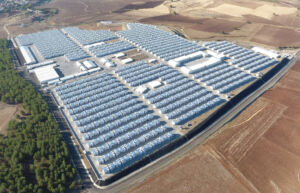
Humanitarian shelters offer rapid deployment capability, which is critical in emergency response operations. Prefabrication allows large volumes to be produced and mobilized quickly, reducing the time people spend without safe accommodation.
Durability and safety are key strengths. Modular shelter systems are designed to withstand harsh climates, transport stress and intensive daily use while complying with international humanitarian and safety standards.
Flexibility is another major benefit. Shelters can be expanded, reconfigured or relocated as needs evolve and as communities transition from emergency to recovery phases.
Factory production improves quality control, ensures structural reliability and minimizes material waste, resulting in cost efficient and environmentally responsible shelter programs. Standardization also simplifies logistics, installation and maintenance.
Usage Areas
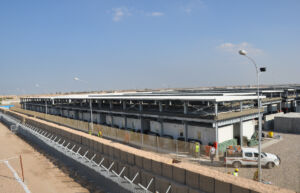
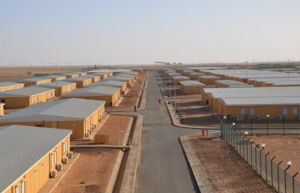
Humanitarian shelters are widely used in refugee and IDP settlements, disaster recovery zones, conflict affected regions and areas experiencing sudden mass displacement.
They provide safe accommodation for families, vulnerable groups and humanitarian staff, and can also support complementary infrastructure such as clinics, classrooms, kitchens, offices and community facilities.
These shelters are especially valuable in remote, high risk or logistically challenging environments where conventional construction is not feasible or fast enough to meet urgent needs.
Dorce’s Difference/Conclusion
Dorce designs and delivers humanitarian shelters that meet international safety, structural and humanitarian compliance standards. Each shelter is engineered for climate resilience, user comfort, hygiene and long term durability, with optional integration of electrical and mechanical systems.
With full turnkey capability, Dorce manages design, engineering, manufacturing, logistics, installation and commissioning as a single coordinated process. This ensures faster deployment, consistent quality and reduced operational risk for humanitarian partners worldwide.
By providing reliable, scalable and human centered humanitarian shelter solutions, Dorce supports the protection, dignity and stability of communities rebuilding their lives during and after crisis.