
Logistical Excellence: Transporting Modular Camps to Deadhorse and Remote Oil Units
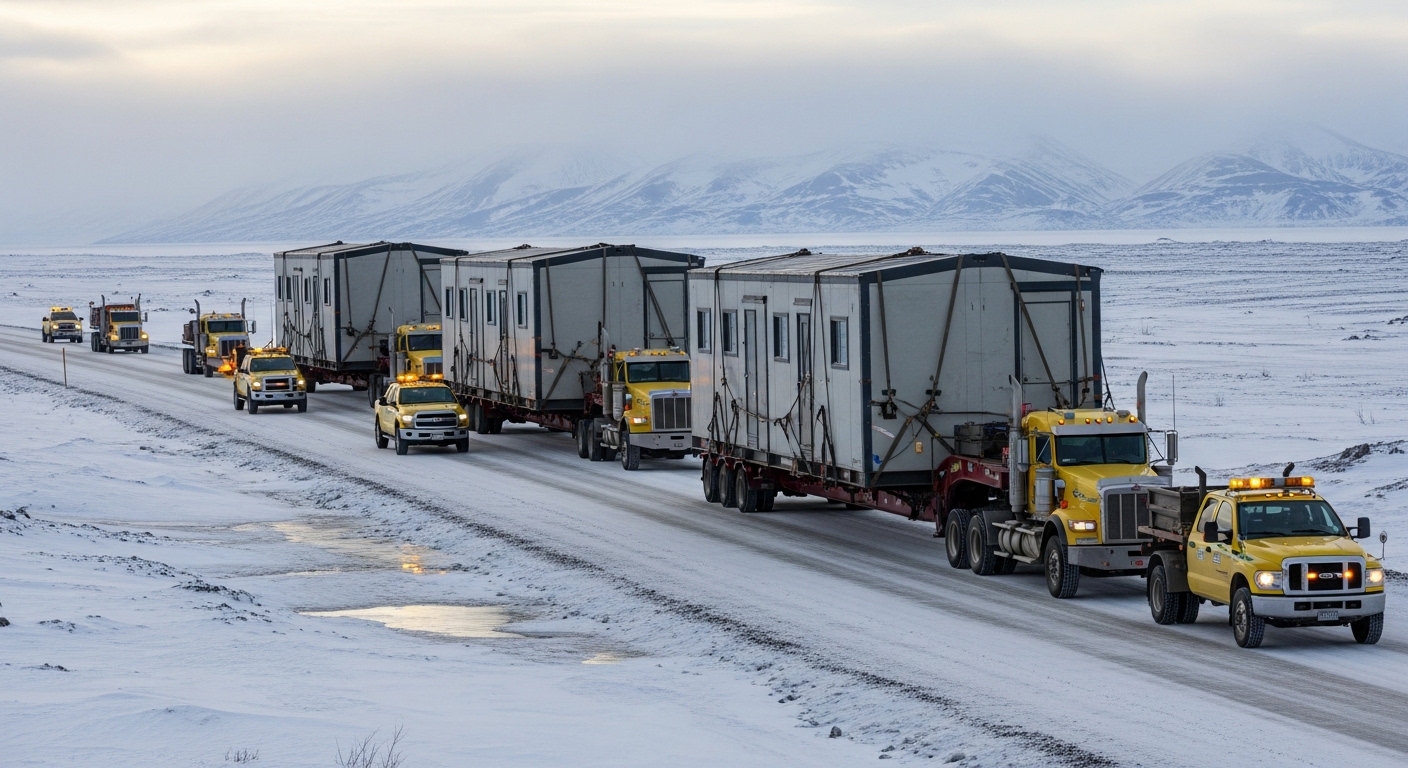
The success of large oil and gas developments in Alaska’s North Slope depends not only on engineering and drilling capabilities but also on the ability to move infrastructure across some of the most remote and challenging terrain in North America. Locations such as Deadhorse and other remote oil production units are hundreds of kilometers from major population centers and are accessible primarily through specialized transport corridors such as the Dalton Highway, seasonal ice roads, and limited air cargo routes. In this environment, the logistics strategy used to deliver workforce accommodation infrastructure becomes a critical factor in overall project success.
Modular construction provides a major logistical advantage for Arctic energy projects because buildings are manufactured off-site and transported as prefabricated units ready for rapid installation. When supported by careful transportation planning and coordinated supply chain management, modular camps can be delivered efficiently even to remote oil field locations operating under strict seasonal and environmental constraints.
What is Modular Camp Logistics for Arctic Oil Fields
Modular camp logistics refers to the coordinated process of manufacturing, transporting, staging, and installing prefabricated workforce accommodation systems in remote project locations. For Arctic oil developments, this process requires careful synchronization between manufacturing facilities, transportation networks, and on-site installation teams.
A typical modular camp deployment involves multiple logistical stages including:
• Factory production of modular accommodation buildings
• Preparation of modules for long-distance transport
• Transportation to regional logistics hubs or ports
• Overland transport to North Slope staging locations
• Final delivery to remote drilling or production sites
• Rapid on-site installation and commissioning
Because modules are delivered largely complete, installation timelines are significantly shorter compared to traditional construction approaches.
Advantages
Using modular construction for workforce accommodation offers several logistical advantages for oil and gas projects operating in remote Arctic regions.
• Reduced number of shipments
Prefabricated modules consolidate many building components into a single transportable unit, reducing the number of deliveries required for construction.
• Faster camp deployment
Modules arrive largely pre-assembled, allowing installation crews to establish operational facilities quickly once the units reach the site.
• Improved schedule reliability
Factory-based production reduces the risk of weather-related construction delays and allows transportation schedules to be planned more precisely.
• Simplified supply chain management
Transporting complete modules reduces the complexity of coordinating multiple material deliveries to remote locations.
• Lower on-site labor requirements
Remote Arctic environments often have limited local workforce availability. Modular installation requires fewer construction workers on-site compared to traditional building methods.
• Greater flexibility for relocation
If operational needs change, modular buildings can be relocated or redeployed to new drilling sites or production areas.
These advantages make modular logistics strategies highly effective for large-scale oil developments operating under challenging environmental conditions.
Usage Areas
Modular camp logistics systems are widely used across industries operating in remote or undeveloped regions where traditional construction supply chains are difficult to maintain.
Key applications include:
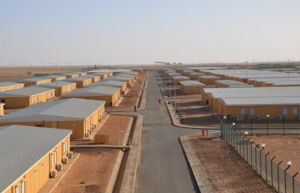
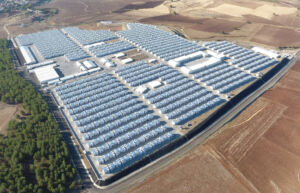
• Workforce accommodation camps supporting oil and gas drilling operations
• Modular settlements serving large Arctic infrastructure projects
• Temporary construction camps for pipeline development
• Accommodation infrastructure for mining exploration and production sites
• Remote industrial facilities requiring scalable workforce housing
On Alaska’s North Slope, locations such as Deadhorse often serve as important logistics hubs where materials and modular infrastructure can be staged before final delivery to drilling pads and production facilities across the region. Efficient logistics planning ensures that workforce accommodation systems arrive on schedule and can be installed quickly, supporting continuous project operations.
Dorçe Prefabrik specializes in delivering modular construction solutions for large industrial developments in remote environments. Through advanced prefabricated steel building technologies, integrated engineering capabilities, and turnkey EPC delivery models, Dorçe develops modular workforce accommodation systems designed for energy and infrastructure projects worldwide. By combining factory-based manufacturing with efficient logistics planning and coordinated transport strategies, Dorçe enables modular camps and operational facilities to be delivered rapidly to remote locations while maintaining high standards of durability, safety, and operational performance.
Tags
Tags