Logistics in the Murzuq Basin: Overcoming Desert Challenges with Modular Construction
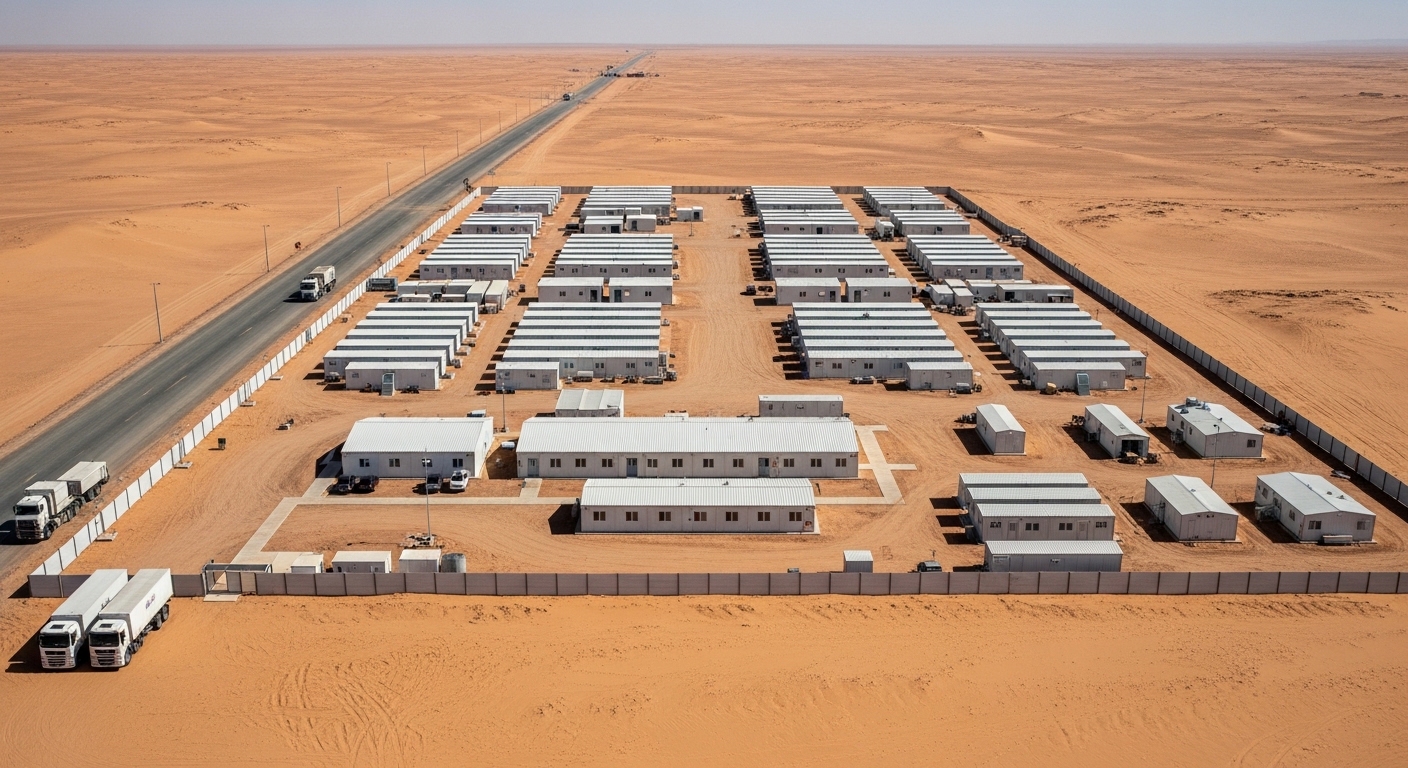
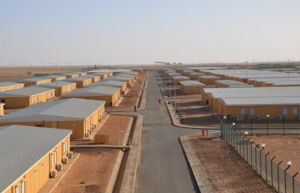
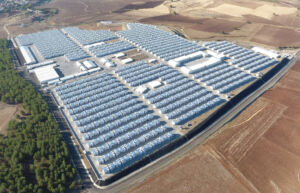
The Murzuq Basin in southwest Libya represents one of the country’s most logistically complex oil provinces. Remote geography, extreme desert temperatures, limited infrastructure corridors, and long inland transport routes create operational pressure on exploration and production campaigns. As NOC Libya tenders increasingly prioritize production optimization and field reactivation, logistics planning has become inseparable from infrastructure delivery. In this context, modular construction and prefabricated buildings provide a strategic solution for rapid mobilization of man camps, Life Support Areas (LSA), and oil field accommodation across Murzuq oil field services zones.
In the Murzuq Basin, logistics is not a support function. It is a primary risk driver that determines schedule, cost, and operational continuity.
The Murzuq Basin Operational Environment
Murzuq oil field services operate in one of Libya’s harshest desert environments. Key constraints include:
• Long-distance inland transport from Tripoli logistics base
• Limited paved road infrastructure
• High ambient temperatures exceeding 45°C in summer
• Sandstorms and abrasive wind conditions
• Extended supply chains for fuel, water, and construction materials
These factors significantly increase the risk of delays in traditional site-built construction models. Modular construction reduces exposure to these variables.
NOC Libya Tenders and Camp Infrastructure Requirements
Recent NOC Libya tenders emphasize upstream field rehabilitation, enhanced recovery, and new drilling activity in southern basins including Murzuq. Each campaign requires:
• Workforce housing for rotating crews
• Temporary site facilities for drilling contractors
• Centralized Life Support Areas with catering, laundry, and recreation
• Technical cabins and HSE offices
• Secure storage and logistics yards
Without early deployment of oil field accommodation and man camps, drilling schedules cannot proceed efficiently.
The Role of Tripoli as a Logistics Base
Tripoli functions as the primary staging hub for Murzuq operations. Equipment, modular units, and workforce rotations typically move through the coastal logistics base before transport to the southern desert.
Advantages of staging through Tripoli include:
• Access to port infrastructure for imported components
• Centralized warehousing and consolidation
• Pre-assembly of prefabricated buildings
• Phased dispatch to reduce inland convoy congestion
By combining Tripoli logistics coordination with modular construction, contractors minimize time spent performing heavy construction activities in the desert.
Modular Construction as a Desert Logistics Strategy
Traditional reinforced concrete construction in Murzuq presents significant risks:
• On-site material storage exposure
• High water consumption for concrete works
• Labor-intensive field assembly
• Long curing times and schedule vulnerability
Modular construction addresses these constraints.
Off-Site Fabrication Advantages
• Factory-controlled production of prefabricated buildings
• Reduced need for on-site skilled labor
• Lower water dependency
• Parallel manufacturing and site preparation
This approach compresses overall project timelines and limits desert exposure.
Rapid Mobilization Capability
Rapid mobilization is critical in Murzuq where drilling windows are tightly scheduled.
• Pre-engineered steel structures
• Pre-finished accommodation modules
• Integrated electrical and mechanical systems
• Plug-and-play utility connections
Modules arrive ready for installation, significantly reducing field assembly duration.
Man Camps and Life Support Areas in Murzuq
Murzuq Basin projects require fully integrated workforce housing solutions rather than scattered temporary shelters.
Core Components of a Murzuq LSA
• Insulated accommodation blocks designed for high thermal performance
• High-capacity dining facilities
• Medical clinics and first aid units
• Recreation and social spaces to support morale
• Laundry buildings and hygiene modules
• Technical workshops and spare parts storage
Well-designed man camps improve safety, reduce fatigue, and enhance productivity in remote oil field environments.
Blast-Resistant Containers and Risk Mitigation
Certain Murzuq operations, particularly in high-value production zones, require enhanced structural protection.
• Blast-resistant containers for control rooms and offices
• Reinforced steel structural systems
• Fire-rated panel assemblies
• Segregated hazardous storage zones
These solutions align with international oil and gas HSE standards and reduce operational risk.
Turnkey EPC Delivery in Remote Basins
Murzuq projects benefit significantly from a turnkey EPC approach. A single contractor managing design, fabrication, logistics, installation, and commissioning reduces interface risks that commonly delay desert projects.
Turnkey EPC in Murzuq typically includes:
• Camp master planning and layout engineering
• Structural fabrication and prefabricated building production
• Transport coordination from Tripoli logistics base
• On-site erection and commissioning
• Integration of utilities including power generation and water systems
This structure ensures accountability and schedule control.
Turkish Contractors in Libya and Operational Familiarity
Turkish contractors in Libya maintain a long-standing presence across infrastructure and energy sectors. Their familiarity with Libyan regulatory frameworks, inland transport routes, and desert construction challenges provides measurable logistical advantage in Murzuq oil field services.
ENR Top 250 contractors operating in the region bring:
• International project management systems
• Desert engineering expertise
• Integrated steel fabrication capacity
• Proven modular construction delivery
This global-local balance is critical in complex southern basin operations.
Dorçe Prefabrik Capabilities for Murzuq Operations
Dorçe Prefabrik delivers modular construction solutions tailored to oil and gas field environments, including remote desert basins such as Murzuq.
Core capabilities include:
• Design and fabrication of prefabricated buildings for oil field accommodation
• Rapid mobilization through off-site production
• Integrated man camps and Life Support Areas
• Blast-resistant container solutions
• Turnkey EPC project execution
• Experience aligned with ENR Top 250 contractor standards
Dorçe’s approach reduces on-site risk exposure while ensuring structured, scalable infrastructure aligned with NOC Libya project timelines.
Conclusion: Logistics as a Competitive Advantage in Murzuq
In the Murzuq Basin, logistical complexity is the primary operational challenge. Modular construction transforms logistics from a constraint into a strategic advantage. By shifting fabrication off-site, staging through Tripoli logistics base, and deploying turnkey EPC camp solutions, operators can protect schedules, control costs, and maintain workforce safety.
For Murzuq oil field services and upcoming NOC Libya tenders, rapid, durable, and modular infrastructure is not optional. It is the foundation of successful desert operations.
Tags
Tags