
Modular Construction
What is..?
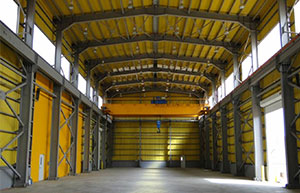
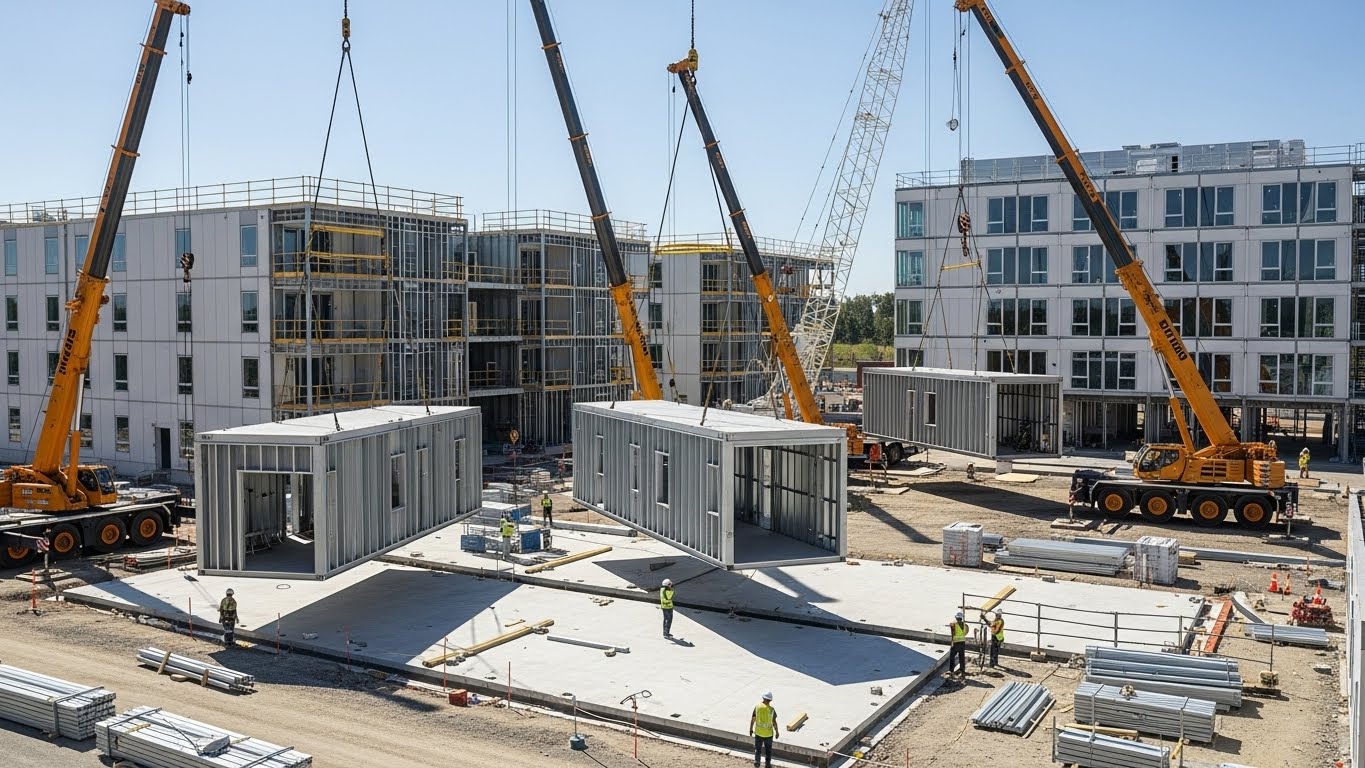
Modular construction is a modern building method where structures are designed and manufactured as pre engineered modules in factory controlled environments, then transported to the project site for rapid installation. Each module is structurally independent and includes architectural finishes, electrical systems, mechanical installations and interior fittings before delivery. When assembled, these modules create complete buildings that comply with international safety, quality and performance standards.
This approach industrializes construction, improves predictability and significantly shortens overall project timelines compared with traditional on site building methods.
Advantages
Modular construction delivers major benefits in speed, quality and cost control. Because building modules are produced off site while foundations and site preparation occur in parallel, total project duration is reduced considerably. Factory precision ensures consistent workmanship, minimized material waste and enhanced health and safety performance.
Modular buildings are flexible and scalable. They can be expanded, reconfigured, relocated or repurposed according to evolving operational needs. Durability and structural reliability are ensured through engineered steel or modular framing systems designed for long term use in demanding environments.
Environmental sustainability is also strengthened through controlled production, optimized logistics and reduced site disruption. Clear manufacturing processes support predictable budgets and reliable delivery schedules, lowering overall project risk.
Usage Areas
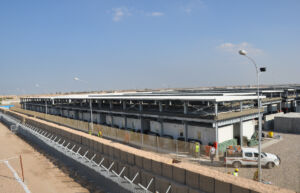
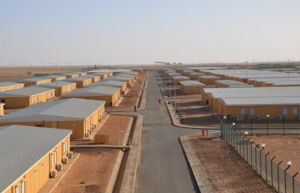
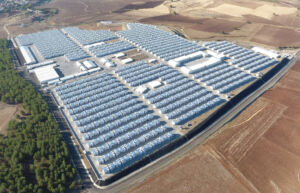
Modular construction is widely used across sectors including healthcare, education, oil and gas, mining, defense, residential housing, humanitarian settlements, logistics hubs, worker accommodation camps, commercial offices and industrial facilities.
It is especially valuable in remote locations, disaster recovery zones, conflict areas and projects requiring urgent delivery where traditional construction is difficult or unsafe to implement. Governments, NGOs, EPC contractors and private developers benefit from modular solutions for both temporary and permanent building needs.
Dorce’s Difference/Conclusion
Dorce delivers modular construction projects with full turnkey capability, covering design, engineering, manufacturing, logistics, installation and commissioning under a single coordinated project model. All modules are produced using certified materials and audited quality systems to ensure structural integrity, user safety and long term performance.
With strong global experience and high capacity off site manufacturing, Dorce adapts modular construction systems to sector specific regulations, climate conditions and operational requirements. This integrated approach reduces complexity, improves schedule certainty and delivers consistent quality across international projects.
By combining industrialized manufacturing with advanced engineering, Dorce helps clients achieve faster, safer and more sustainable results through modular construction.