
Modular vs. Stick-Built: Cost Analysis for Remote Oil Workforce Housing in Alaska
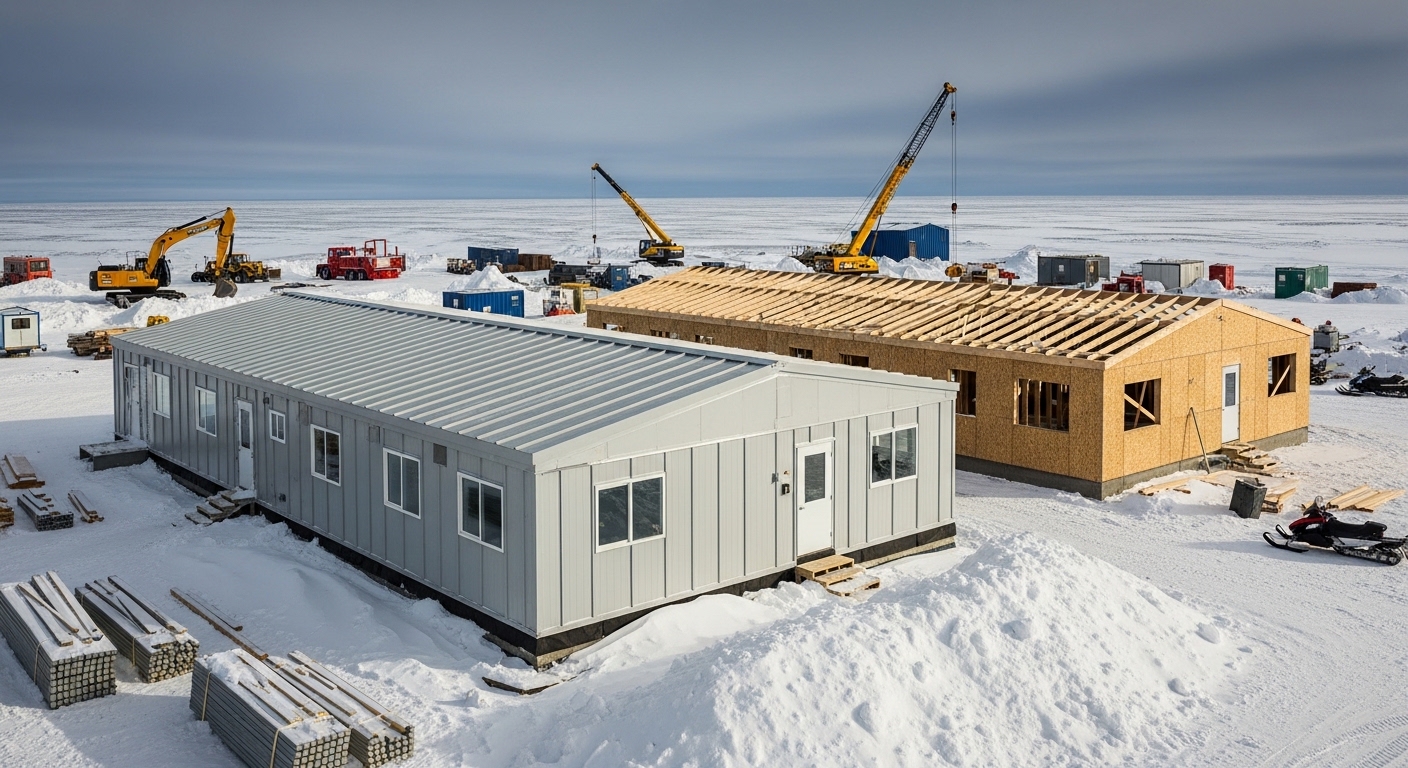
Workforce accommodation is one of the most critical infrastructure requirements for oil and gas projects operating on Alaska’s North Slope and in other remote Arctic regions. Housing hundreds or even thousands of workers in isolated environments requires reliable construction methods that balance speed, cost efficiency, and long-term durability. Traditionally, many remote facilities were built using stick-built construction methods, where buildings are assembled piece by piece directly on site. However, modular construction has increasingly become the preferred solution for workforce housing in Arctic energy projects.
A detailed cost comparison between modular and stick-built construction reveals why modular systems are often more effective for remote oil field accommodation. When factors such as transportation, labor availability, construction timelines, and long-term operational costs are considered, modular construction frequently provides significant economic advantages for projects operating in remote environments.
What is Modular vs. Stick-Built Construction in Remote Energy Projects
Stick-built construction refers to the traditional method of constructing buildings entirely on-site using individual materials such as timber, steel components, insulation, and finishing elements. Workers assemble the structure piece by piece at the project location, which requires a large on-site workforce and extended construction timelines.
Modular construction, by contrast, involves manufacturing building components or entire modules in a controlled factory environment. These prefabricated units are then transported to the project site where they are installed quickly to form a complete structure.
In oil field workforce housing projects, modular construction is typically used to deliver infrastructure such as:
• Workforce accommodation buildings
• Dining and catering facilities
• Administrative offices
• Medical units and welfare facilities
• Utility buildings supporting camp operations
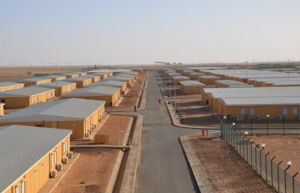
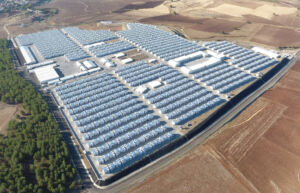
These systems allow large workforce settlements to be established rapidly in remote environments.
Advantages
A cost analysis between modular and stick-built construction reveals several advantages that modular systems provide in remote Arctic oil projects.
• Lower construction timeline costs
Shorter construction schedules reduce the overall cost of project mobilization and allow operations to begin earlier, which is particularly valuable for energy projects with strict production timelines.
• Reduced labor expenses
Remote Arctic construction sites often require specialized labor transported from distant regions. Modular construction significantly reduces the number of workers needed on-site.
• Lower weather-related delays
Stick-built construction can be disrupted by severe weather conditions, particularly during Arctic winters. Factory-based modular production reduces exposure to weather delays.
• Improved logistics efficiency
Transporting prefabricated modules can reduce the number of deliveries required compared to shipping individual construction materials for traditional building methods.
• Better quality control
Controlled factory environments allow for precise manufacturing, which reduces the likelihood of construction errors and costly rework.
• Lower lifecycle maintenance costs
High-quality prefabricated steel structures often provide better durability and lower long-term maintenance requirements in extreme climates.
These cost advantages make modular construction particularly attractive for large workforce housing developments in remote oil fields.
Usage Areas
Both modular and stick-built construction methods are used across the oil and gas industry, but their suitability varies depending on the project location and operational requirements.
Stick-built construction is more commonly used in areas where:
• Skilled labor is readily available
• Transportation infrastructure is well developed
• Construction seasons are longer and more predictable
Modular construction is typically preferred in locations such as:
• Arctic oil field developments on Alaska’s North Slope
• Remote drilling and exploration camps
• Pipeline construction settlements
• Large infrastructure projects requiring rapid deployment
In these environments, modular workforce housing systems offer a practical balance between cost efficiency, speed, and durability.
Dorçe Prefabrik develops modular construction solutions designed for energy and industrial projects operating in challenging environments. Through advanced prefabricated steel building technologies, integrated engineering capabilities, and turnkey EPC project delivery, Dorçe provides scalable workforce accommodation systems and operational facilities for remote oil and gas developments. By combining factory-based manufacturing with efficient logistics planning and rapid installation methods, Dorçe enables energy projects to deploy reliable workforce housing infrastructure while maintaining high standards of durability, safety, and operational performance.
Tags
Tags