
Overcoming Logistics Challenges in War Zones with Modular Construction
What Is Modular Construction for Logistically Challenging Environments?
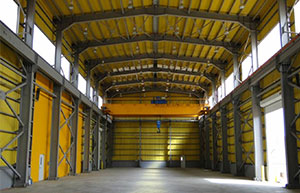
Modular construction is a building method where structures are manufactured in controlled factory environments as complete modules or panelized systems and then transported to the site for rapid assembly. In war zones, this approach significantly reduces the dependence on local materials, labor availability, and prolonged on site construction processes.
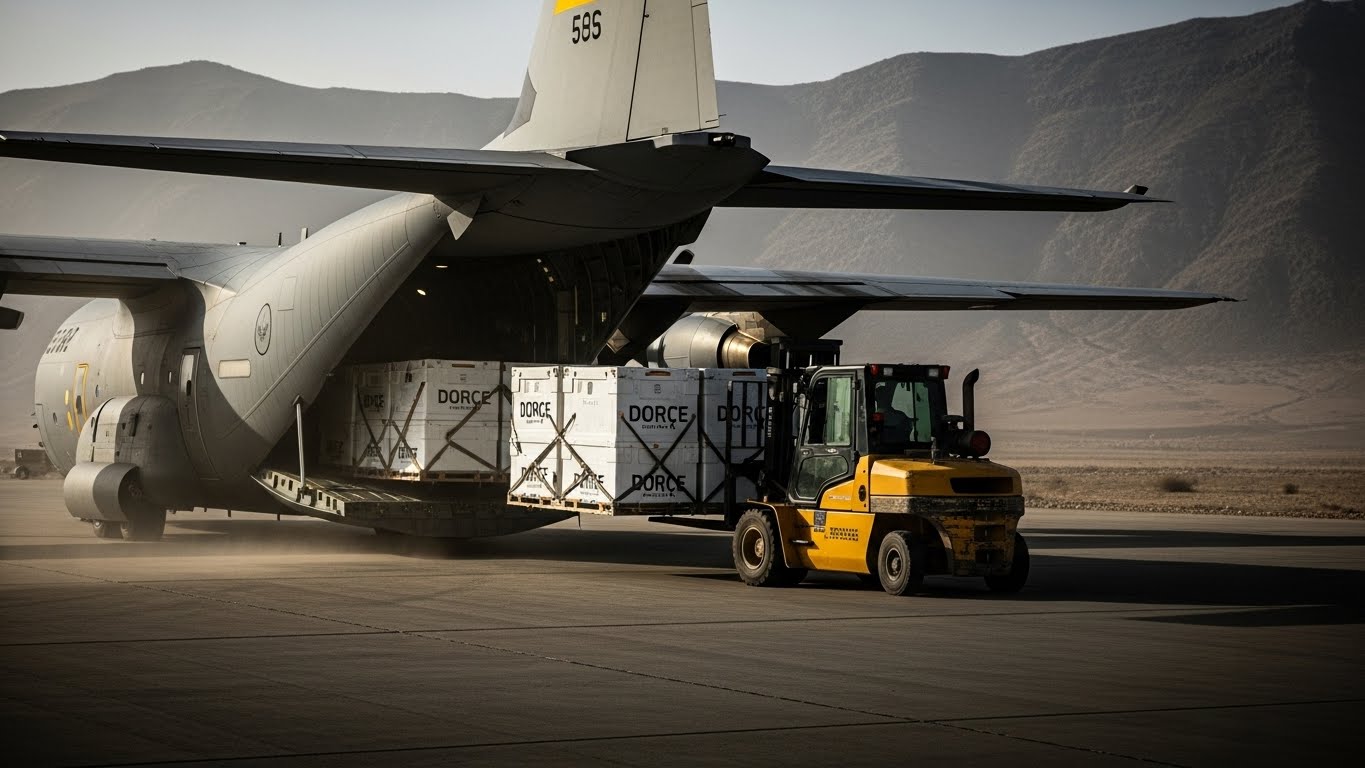
By shifting most of the construction activity offsite, modular systems allow projects to progress even when site conditions are unstable. Logistics planning becomes a core component of the project, with modules designed for optimized transportation, efficient loading, and fast installation upon arrival. This method ensures continuity of construction despite restricted access and unpredictable conditions.
Advantages of Modular Construction in War Zone Logistics
One of the most significant advantages of modular construction is reduced logistical complexity on site. Since buildings arrive largely complete, the number of material deliveries, equipment movements, and on site labor requirements is minimized. This lowers exposure to risk and shortens installation time.
Speed of deployment is another critical benefit. While site access and preparation are being coordinated, modular units can be produced simultaneously in the factory. This parallel workflow allows facilities to become operational quickly once modules arrive on site.
Predictable quality and consistency are also essential advantages. Factory controlled manufacturing ensures that structural components meet international standards regardless of site limitations. This level of quality control is difficult to achieve with conventional construction under unstable conditions.
Modular construction also enhances flexibility. Units can be designed for transport by road, sea, or multimodal logistics and assembled in phases. This adaptability allows projects to respond to changing access conditions and security requirements.
Usage Areas of Modular Solutions in War Zones
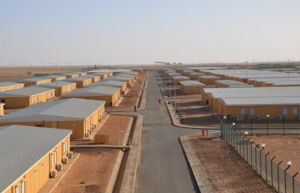
Modular construction is widely used for residential housing to accommodate displaced populations and essential personnel. These housing units provide safe and durable living environments while allowing rapid installation.
Healthcare facilities such as modular clinics and medical support units are critical applications. They can be deployed quickly to restore access to healthcare services where permanent facilities are damaged or unavailable.
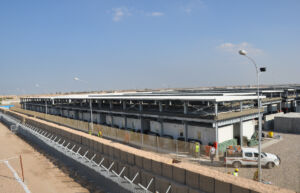
Modular solutions are also used for administrative buildings, command centers, logistics hubs, and technical infrastructure units. These facilities support operational continuity and coordination in challenging environments.
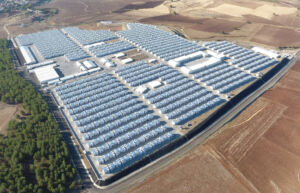
In addition, modular construction is applied to temporary to permanent settlements, enabling infrastructure to evolve over time as conditions stabilize.
Dorce’s Difference in Modular Logistics Solutions
Dorce Prefabricated Construction delivers modular projects through a fully integrated Design Build and EPC approach, with logistics planning embedded from the earliest design stage. Modules are engineered for efficient transportation, fast assembly, and minimal on site work.
With advanced manufacturing facilities and extensive international logistics experience, Dorce ensures reliable delivery even in regions with restricted access and complex supply chains. Digital engineering tools and standardized modular systems enable precise planning and execution.
Dorce focuses on delivering not only speed but also long term reliability. Modular buildings are designed to meet international structural standards and can transition from temporary use to permanent infrastructure. By combining logistics expertise, modular engineering, and global project experience, Dorce Prefabricated Construction successfully overcomes logistical challenges and delivers resilient construction solutions in war zones.