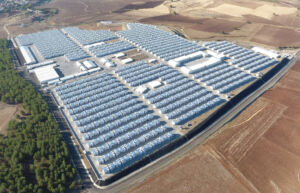
Partnering with UN & UNHCR: Standards in Emergency Humanitarian Housing
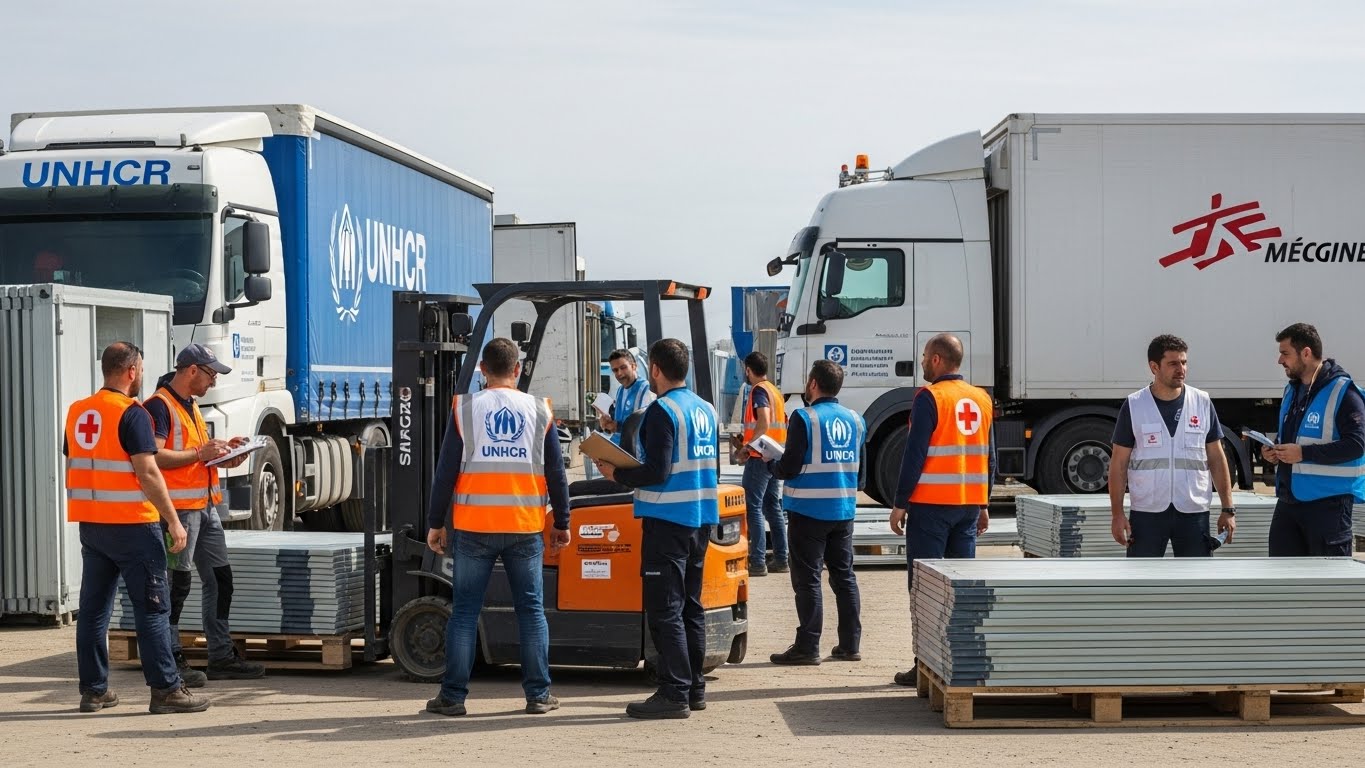
Emergency humanitarian housing is not only about rapid delivery. It is about safeguarding human dignity, health, and safety under extreme conditions while ensuring solutions can scale and remain functional over time. When partnering with international organizations such as the United Nations and UNHCR, housing systems must comply with strict technical, humanitarian, and operational standards. These standards define how shelters and settlements are planned, produced, deployed, and maintained in crisis environments where failure is not an option.
What are UN and UNHCR standards in emergency housing?
UN and UNHCR standards establish minimum and recommended requirements for emergency shelters and humanitarian settlements. These requirements address structural safety, fire protection, climate adaptability, hygiene, privacy, accessibility, and integration with essential services such as water, sanitation, healthcare, and power.
Emergency housing units are evaluated not only for speed of deployment, but also for their ability to support extended use. Materials must be durable and repairable. Layouts must reduce health risks and support family life. Construction methods must allow consistent quality across thousands of units. Modular and prefabricated systems align strongly with these expectations because they enable controlled manufacturing, repeatable performance, and predictable outcomes at scale.
Advantages of standards based humanitarian housing
Compliance with UN and UNHCR standards ensures physical safety for displaced populations. Structural systems are designed to withstand local risks such as wind, seismic activity, temperature extremes, and intensive daily use.
Public health protection is strengthened through proper ventilation, moisture control, sanitation integration, and separation of living and service areas. These measures reduce the risk of disease outbreaks in dense settlements.
Scalability is a critical advantage. Standardized modular units allow camps and settlements to expand rapidly while maintaining consistent infrastructure, circulation, and service access.
Operational efficiency improves when housing systems follow recognized standards. Maintenance, upgrades, and future adaptations can be managed more easily, reducing long term operational costs for humanitarian agencies.
International acceptance and donor confidence are enhanced when solutions meet established humanitarian benchmarks. This accelerates approvals, funding, and coordination between stakeholders during emergency responses.
Applications in humanitarian operations
UN and UNHCR compliant housing systems are deployed across a wide range of emergency and displacement scenarios.
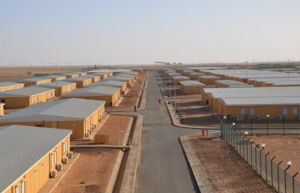
Refugee camps and transitional settlements
Emergency housing for conflict affected communities
Post disaster transitional and semi permanent housing
Accommodation for humanitarian staff and medical teams
Long term displacement sites evolving into permanent communities
In each case, standardization ensures that housing solutions can adapt as emergency conditions transition into recovery and reconstruction phases.
Dorce’s approach to humanitarian housing standards
Dorce approaches emergency humanitarian housing as both an engineering responsibility and a humanitarian commitment. From early design stages, housing systems are developed in alignment with internationally recognized humanitarian standards and technical guidelines.
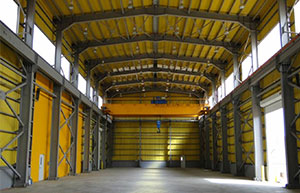
Factory based production enables strict quality control over materials, dimensions, insulation performance, and assembly processes. Each unit is manufactured to deliver consistent structural integrity, thermal comfort, and hygiene performance. Logistics and installation planning focus on rapid deployment while maintaining compliance on site.
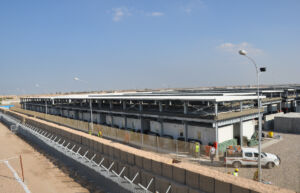
Dorce’s experience in delivering large scale modular settlements, camps, and emergency facilities across diverse geographies supports effective collaboration with international organizations. This experience ensures that housing systems are not only technically compliant, but also practical, maintainable, and suitable for real world crisis conditions.
Emergency housing that meets UN and UNHCR standards provides more than shelter. It creates a foundation for safety, dignity, and stability in times of crisis. Through its modular and prefabricated solutions, Dorce supports humanitarian partners with reliable, scalable, and standards aligned housing systems that perform when communities need them most.