
Post-War Reconstruction: The Role of Modular Construction in Rebuilding Cities
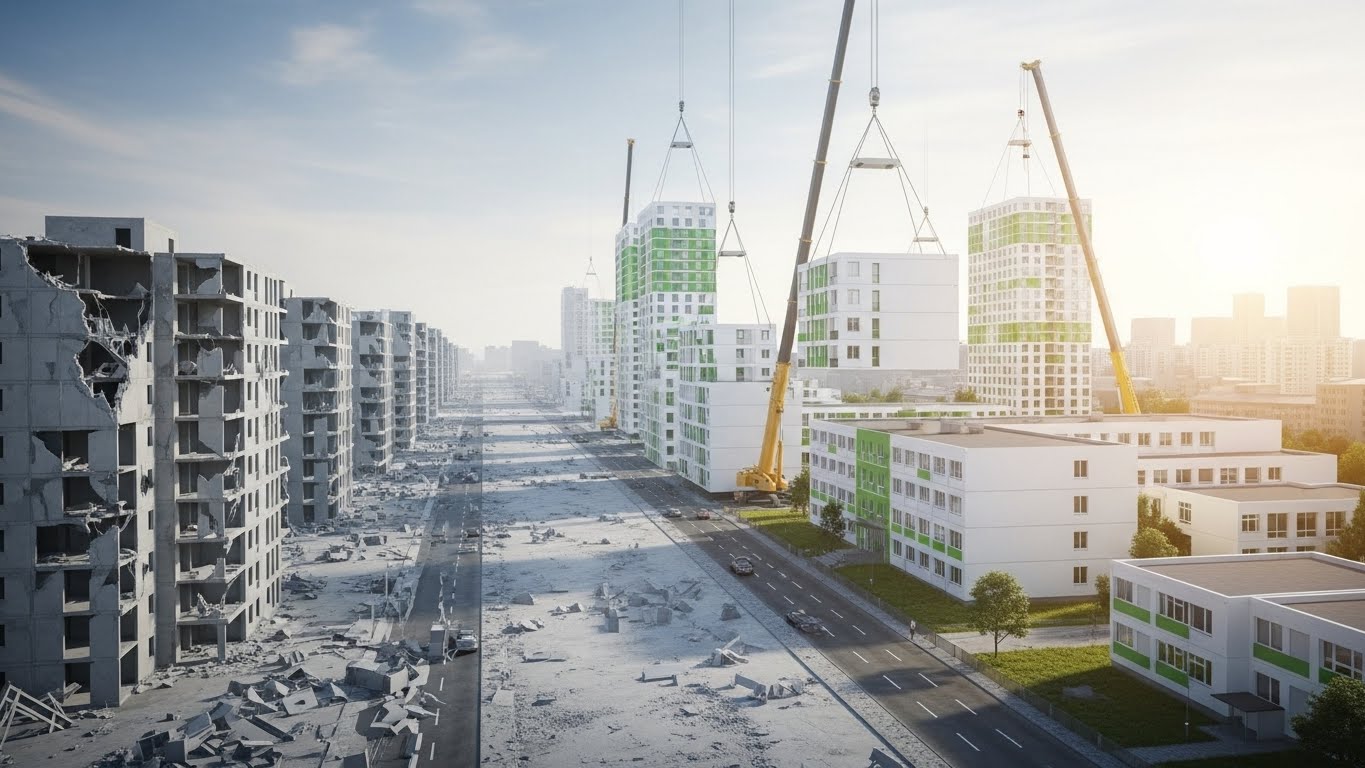
Rebuilding cities after large scale destruction requires more than speed. It demands structural safety, long term durability, efficient resource use, and the ability to restore social and economic life in a coordinated way. Modular construction has become a critical building method in post war reconstruction efforts, enabling cities to recover faster while meeting modern engineering and urban planning standards. Dorce Prefabricated Construction delivers modular systems designed to support comprehensive city rebuilding programs through industrialized, scalable, and resilient construction solutions.
What Is Modular Construction in Post-War Reconstruction?
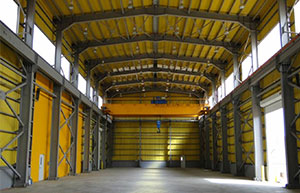
Modular construction in post war reconstruction refers to the use of prefabricated and industrially produced building systems to restore damaged urban environments. Buildings are manufactured offsite in controlled factory conditions as volumetric modules or panelized systems, then transported to site for rapid assembly.
This approach allows housing, healthcare facilities, educational buildings, administrative offices, and infrastructure support structures to be delivered in parallel. Unlike traditional construction, modular systems are less dependent on local labor availability and material supply chains, which are often disrupted in post conflict environments. As a result, reconstruction timelines are significantly shortened while maintaining consistent quality and compliance with international standards.
Advantages of Modular Construction for City Rebuilding
Speed is one of the most important advantages of modular construction in post war reconstruction. While site clearance and infrastructure works are ongoing, buildings can be designed and manufactured simultaneously. This parallel workflow accelerates city recovery and helps restore essential services quickly.
Structural reliability is another key benefit. Modular buildings developed with steel based systems offer high resistance to seismic activity, extreme weather conditions, and long term usage demands. Factory controlled production ensures precision engineering, consistent material quality, and predictable structural performance.
Cost efficiency is also a major advantage. Standardized components, optimized material usage, and reduced on site labor requirements help control project budgets while enabling large scale implementation. Modular construction reduces waste and improves sustainability, which is essential when rebuilding cities responsibly.
Flexibility and scalability further strengthen modular solutions. Buildings can be expanded, reconfigured, or relocated as urban needs evolve. This adaptability supports phased reconstruction strategies and long term urban development planning.
Usage Areas of Modular Construction in Rebuilding Cities
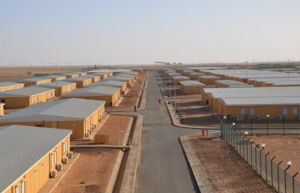
Modular construction plays a central role in residential rebuilding programs, providing safe and durable housing for displaced populations. These housing solutions can transition from temporary accommodation into permanent urban neighborhoods.
Healthcare and education facilities are also critical applications. Modular hospitals, clinics, schools, and training centers can be delivered rapidly to restore essential public services and support social recovery.
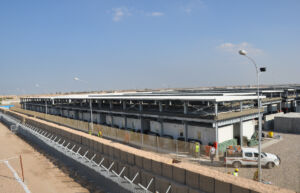
Administrative buildings, commercial spaces, and community facilities are commonly integrated into modular reconstruction programs. In addition, modular systems are used for utility buildings, technical infrastructure, and operational centers that support the functioning of rebuilt cities.
Dorce’s Difference in Modular Post-War Reconstruction Projects
Dorce Prefabricated Construction delivers post war reconstruction projects through an integrated Design Build and EPC approach. From master planning and structural engineering to manufacturing, logistics, installation, and commissioning, all processes are managed within a single coordinated framework.
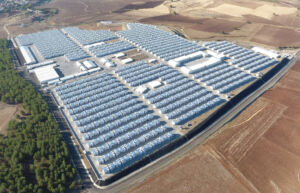
Dorce’s advanced production facilities and digital engineering capabilities enable the delivery of high volume modular buildings with consistent quality and international compliance. With extensive experience in complex and challenging geographies, Dorce ensures reliable execution even under demanding conditions.
Dorce focuses on building long term urban resilience, not only rapid recovery. Modular systems are designed to support permanent use, sustainability, and future city growth. By combining speed, durability, and scalable design, Dorce Prefabricated Construction plays a vital role in rebuilding cities stronger and more resilient for the future.