
Prefabricated Container Classrooms: Ensuring Education Continuity in Syria
Prefabricated Container Classrooms: Ensuring Education Continuity in Syria
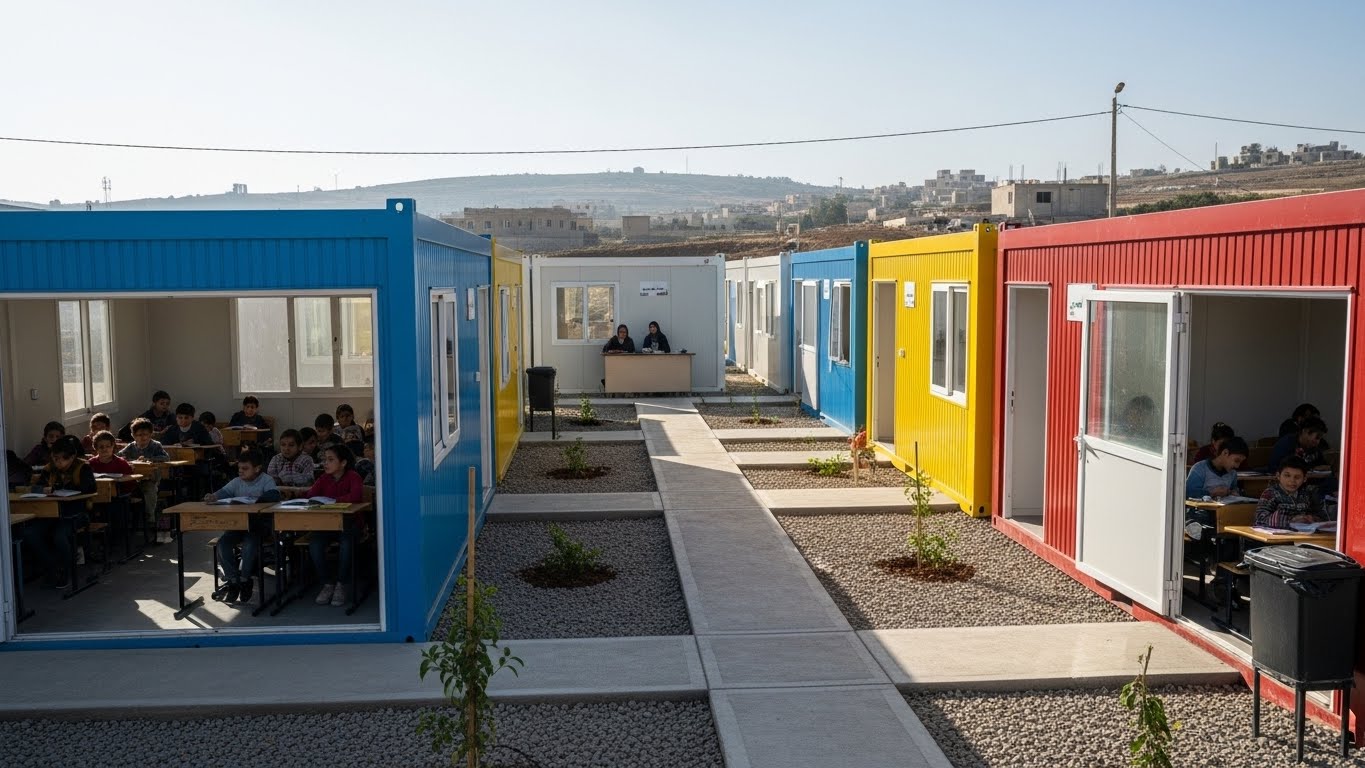
What is Prefabricated container classrooms?
Prefabricated container classrooms are modular educational buildings produced off site and delivered ready for quick assembly in the field. These classrooms are designed to provide safe, durable, and fully functional learning spaces for children affected by conflict, displacement, or natural disasters. In Syria, where traditional school infrastructure has been heavily damaged or destroyed, prefabricated container classrooms help restore access to education and stability for students and teachers.
Manufactured in controlled environments, these classrooms meet international safety, hygiene, and comfort standards while offering flexible layouts for primary, secondary, or vocational education. They can be equipped with insulation, ventilation, electrical systems, lighting, sanitation units, and accessibility features to ensure a secure and inclusive learning environment.
Advantages
Prefabricated container classrooms offer speed, reliability, and cost efficiency. Off site production eliminates many on site delays, enabling rapid deployment even in remote or logistically challenging regions. This supports humanitarian organizations and education sector partners in reopening schools quickly and minimizing disruption to learning.
Their modular nature makes them scalable and adaptable. Classrooms can be added, reconfigured, or relocated as community needs evolve. Structural durability and weather resistance ensure long term use in harsh and variable climatic conditions.
Quality control is another key advantage. Factory built systems ensure consistent standards, while international compliance and certification processes support donor confidence and accountability. These classrooms also support child protection standards through secure layouts, safe access, and the ability to integrate psychosocial and community support spaces.
Usage Areas
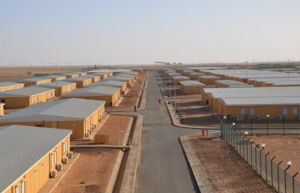
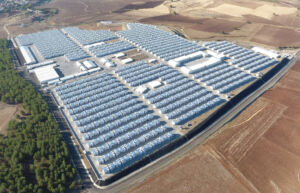
In Syria, prefabricated container classrooms are widely used in refugee and internally displaced persons settlements, host communities, and regions undergoing reconstruction. They serve not only as general education spaces but also as temporary schools, examination halls, teacher training facilities, language centers, and early childhood classrooms.
They are also deployed in areas where rebuilding permanent structures is not immediately possible. Ministries of Education, NGOs, and UN agencies rely on modular classrooms to sustain educational continuity, reduce overcrowding, and provide organized, hygienic learning environments.
Beyond emergencies, these classrooms support long term development programs by enabling equitable access to education in rural or underserved areas.
Dorce’s Difference/Conclusion
Dorce designs and manufactures prefabricated container classrooms with a strong focus on safety, functionality, and humanitarian standards. Each unit is engineered to support healthy learning environments through proper insulation, ventilation, fire safety, natural lighting, and durable interior finishes.
With global experience and turnkey delivery capability, Dorce supports international agencies and local partners from design and specification to manufacturing, logistics, installation, and commissioning. This end to end approach reduces operational complexity while ensuring consistent quality and compliance.
By delivering reliable modular classroom solutions, Dorce helps protect children’s right to education in Syria, supporting psychological wellbeing, community resilience, and long term social recovery. Prefabricated container classrooms do more than provide shelter for learning. They create hope, routine, and opportunity for the next generation.