
Prefabricated Modular Camps for the 800-Mile Alaska Gasline Construction Spreads
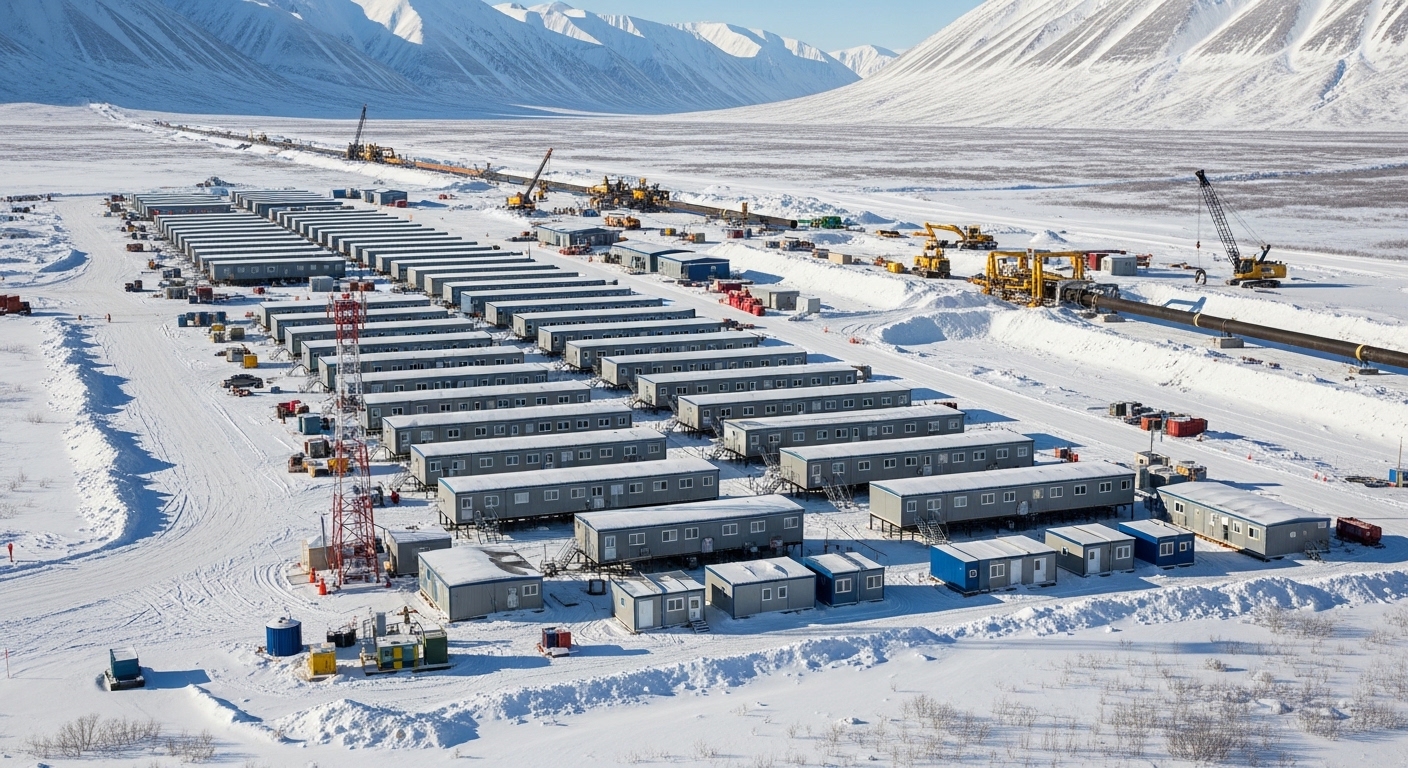
The Alaska LNG pipeline system, often referred to as the Alaska Gasline, represents one of the most ambitious energy infrastructure projects in North America. Stretching approximately 800 miles from the North Slope to southern Alaska, the pipeline requires multiple simultaneous construction spreads operating across remote and environmentally challenging terrain. Each construction spread functions as a semi-independent operational zone with its own workforce, equipment staging, logistics infrastructure, and accommodation systems.
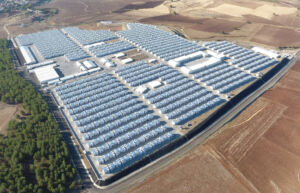
Housing thousands of workers across multiple pipeline spreads requires a scalable and relocatable accommodation strategy. Prefabricated modular camps provide a proven solution for such mega projects by combining off-site manufacturing with rapid on-site deployment, allowing pipeline contractors to mobilize quickly and operate efficiently across long-distance corridors.
Understanding Pipeline Construction Spreads
Pipeline construction is typically organized into segments called spreads. Each spread covers a defined portion of the pipeline route and operates with its own dedicated workforce and equipment fleet.
A typical construction spread may include:
• Pipeline welding and installation crews
• Earthmoving and trenching teams
• Inspection and quality assurance personnel
• Environmental monitoring teams
• Logistics and supply personnel
• Engineering and project management staff
For major projects like the Alaska Gasline, a single spread can employ several hundred to over a thousand workers at peak construction periods. Multiple spreads operating simultaneously along the route require distributed accommodation infrastructure.
Workforce Accommodation Needs Along the Gasline
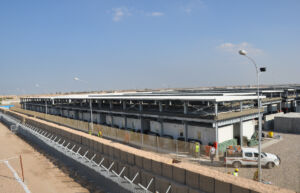
Pipeline construction spreads require temporary camps positioned strategically along the project corridor. These camps function as operational bases where workers live, eat, rest, and coordinate daily activities.
Key infrastructure typically includes:
• Worker dormitory units
• Dining facilities and industrial kitchens
• Recreation and rest areas
• Medical clinics and first-aid stations
• Laundry and sanitation facilities
• Administrative offices and meeting rooms
• Maintenance workshops and storage areas
• Utility systems including power generation and water treatment
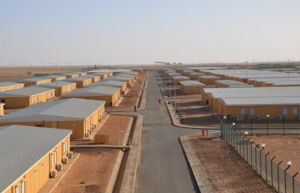
Each camp effectively functions as a small remote settlement supporting continuous construction operations.
Remote Construction Challenges in Alaska
The Alaska Gasline corridor crosses some of the most difficult terrain in North America.
Major challenges include:
• Permafrost and unstable soil conditions
• Limited road infrastructure
• Severe winter temperatures below −40°C
• Seasonal construction windows
• Long distances between settlements
• Environmental protection requirements
Traditional construction methods struggle in such conditions because extended site work exposes labor and materials to harsh weather and logistical delays.
Advantages of Prefabricated Modular Camps
Prefabricated modular construction allows most building work to occur in controlled factory environments rather than remote field locations.
Key benefits include:
• Reduced on-site labor requirements
• Improved construction quality and consistency
• Shorter installation timelines
• Reduced exposure to weather-related delays
• Simplified logistics through standardized module transport
Modules can be produced while site preparation work occurs along the pipeline route, enabling parallel project progress.
Scalable Camp Design for Multiple Spreads
Because pipeline spreads move along the route as construction progresses, camps must be scalable and adaptable.
Typical deployment models include:
• Early-stage scout camps for survey teams
• Medium-sized camps for initial pipeline construction crews
• Large peak-capacity camps for major installation phases
• Demobilized or relocated camps once a spread completes its section
Modular building systems allow camp capacity to expand or contract as workforce levels change.
Structural Design for Arctic Conditions
Camps built for Alaska must withstand extreme environmental conditions.
Structural engineering considerations include:
• Heavy snow load capacity
• Reinforced steel framing systems
• Elevated foundations to protect permafrost
• High-performance insulation systems
• Wind-resistant structural connections
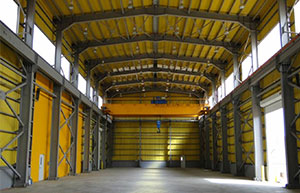
Prefabricated steel modular buildings provide strong load-bearing capacity while maintaining flexibility for transport and relocation.
Energy and Utility Systems for Remote Camps
Pipeline spread camps must operate independently from urban infrastructure.
Utility systems typically include:
• Diesel generator power plants
• Central heating systems for cold climates
• Water purification and storage systems
• Wastewater treatment facilities
• Fire protection and emergency response systems
• Communications and satellite connectivity
Modular utility buildings allow these systems to be delivered as pre-engineered packages that integrate quickly with camp infrastructure.
Logistics Strategy for Camp Deployment
Transporting modular camps across Alaska requires careful planning.
Logistics routes may include:
• Ocean shipping to coastal ports
• Rail transportation where available
• Long-distance trucking on seasonal roads
• Specialized heavy equipment transport
Modular construction reduces shipment complexity by consolidating multiple building components into finished structural units.
Worker Comfort and Operational Efficiency
Remote pipeline construction demands high workforce productivity. Proper living conditions play an important role in maintaining morale and safety.
Modern modular camps therefore incorporate:
• Comfortable dormitory-style accommodation
• Heated indoor corridors connecting key facilities
• Fitness and recreation spaces
• Medical support facilities
• Reliable communication systems
Providing quality accommodation helps reduce fatigue and improves operational performance.
Environmental Considerations
Large pipeline projects in Alaska must comply with strict environmental regulations.
Modular camps support environmental management by:
• Minimizing ground disturbance during construction
• Allowing relocation after project completion
• Reducing construction waste
• Enabling efficient energy use through insulated building envelopes
These features help operators meet regulatory requirements while maintaining project schedules.
Dorçe Prefabrik Capabilities for Large Infrastructure Camps
Dorçe Prefabrik specializes in delivering large-scale workforce accommodation systems through modular and prefabricated construction technologies. With decades of experience supporting energy, mining, and infrastructure projects in remote environments, Dorçe integrates engineering, production, logistics, and installation within a coordinated delivery framework.
Core capabilities include:
• Scalable workforce housing and accommodation camps
• Integrated Life Support Areas including dining, recreation, and medical facilities
• Prefabricated steel modular buildings designed for extreme climates
• Off-site manufacturing enabling rapid project mobilization
• Turnkey EPC delivery from design through commissioning
These capabilities allow Dorçe to support complex infrastructure developments where remote logistics, extreme climate conditions, and large workforce requirements intersect.
Dorçe-related conclusion
Large-scale infrastructure projects such as the Alaska Gasline require workforce accommodation systems that can be deployed rapidly, scaled efficiently, and relocated as construction spreads advance along the pipeline route. Prefabricated modular camps offer a practical solution by shifting construction into controlled manufacturing environments while enabling fast installation in remote areas. Through integrated design, engineering, manufacturing, and logistics coordination, Dorçe Prefabrik provides scalable modular camp solutions that support long-distance pipeline construction projects, ensuring reliable workforce housing and operational continuity in some of the world’s most challenging environments.
Tags
Tags