
Tasiast Gold Mine Expansion Project – 8,400-Person Workforce Accommodation City / Prefabricated Modular Steel Buildings and Infrastructure Construction – Mauritania
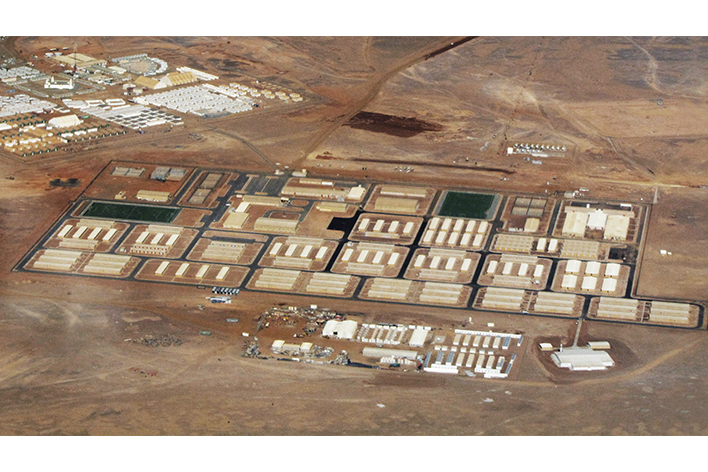
Photo Gallery
Project Detail
Country
Mauritania
Date
2014
Sector
Share Post
Information Request Form
8,400 Person Turnkey Prefabricated and Modular Camp Complex
Project Story, Fast, Safe and Sustainable Construction in a Remote Region
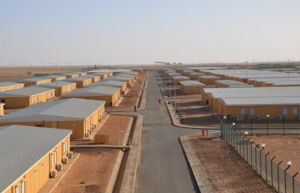
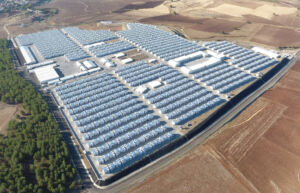
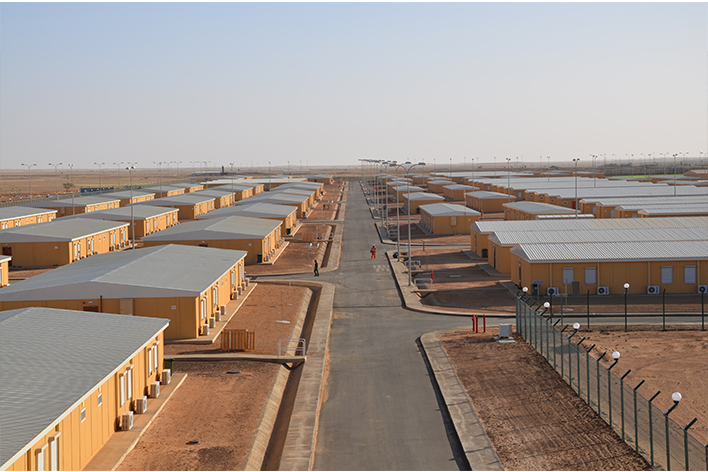
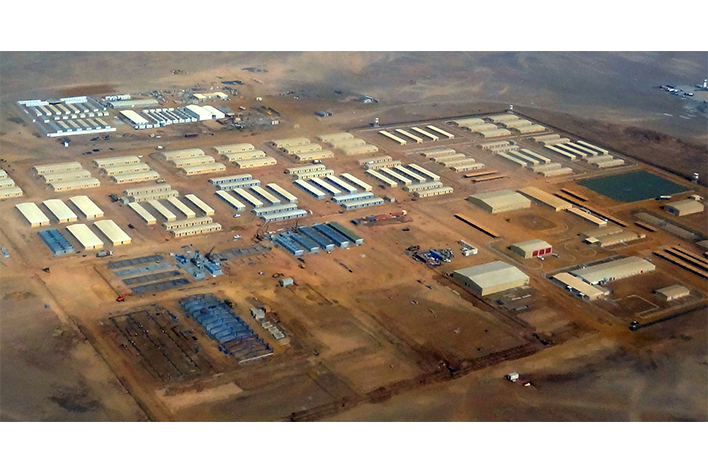
The Tasiast Gold Mine Team Village Project, developed by Kinross Tasiast Mauritanie Ltd. SA in the Tasiast region of Mauritania, is a flagship turnkey EPC project widely recognized among large scale prefabricated and modular worker camp developments. Designed to accommodate an 8,400 person workforce operating under remote and challenging geographical conditions, the project was planned as an integrated living city consisting of accommodation units, social facilities and essential infrastructure systems.
Project Facts and Figures – Tasiast Integrated Living City
Implemented under the name Tasiast Gold Mine Project / Tasiast Team Village, the development is located in the Tasiast region of Mauritania. While the client was Kinross Tasiast Mauritanie Ltd. SA, DORCE Prefabricated Building and Construction Industry Trade Inc. undertook the contracting works. Engineering services were provided by Hatch Associates Consultants Inc., and the project was executed under an EPC (Engineering, Procurement and Construction) model.
The project has a total capacity of 8,400 people. The total closed construction area is 93,518 m², and the overall project site covers 531,841 m².
Building Systems and Technologies, A Large Scale Living City Built with ConTech
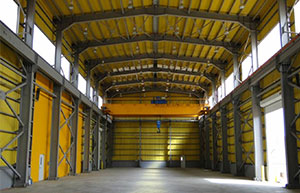
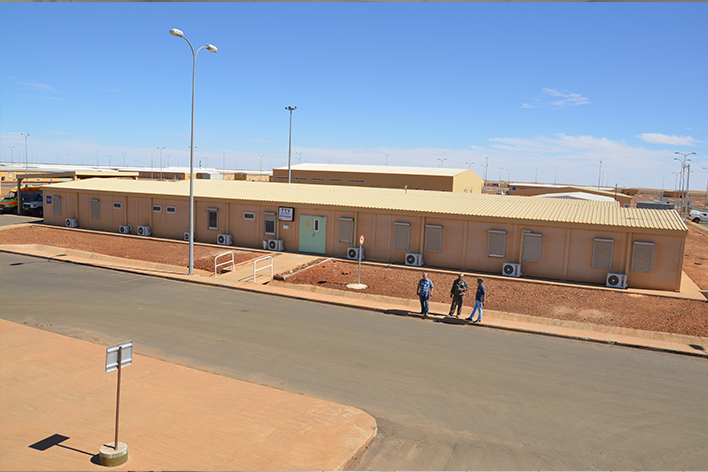
To meet the project’s requirements for rapid installation, structural durability and long life cycle performance, a hybrid construction approach was adopted combining Light Gauge Steel Buildings and Pre Engineered Heavy Steel Building Systems. This method ensured significant time and cost advantages, particularly for large scale mining projects in remote locations.
Project Scope, End to End Camp Construction from Infrastructure to Superstructure
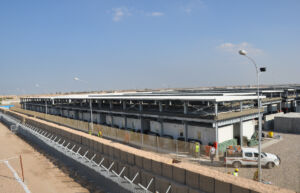
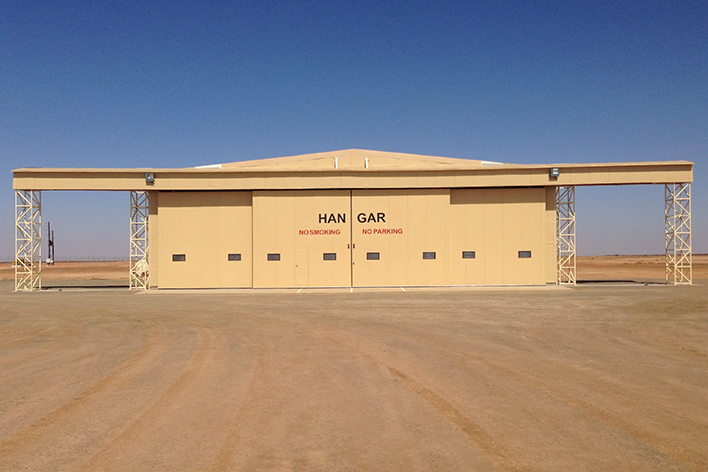
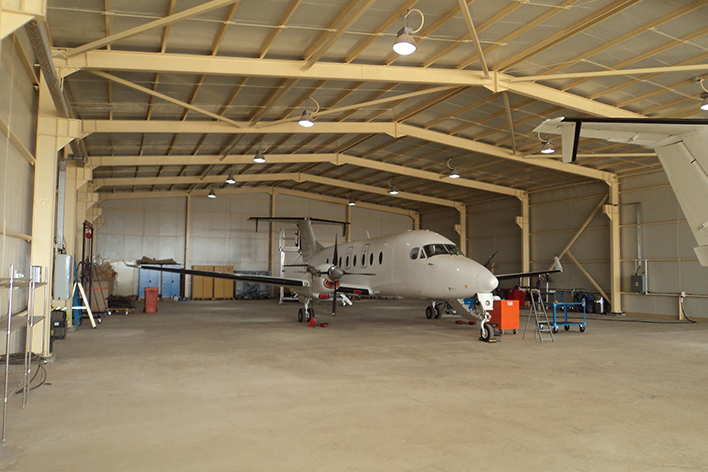
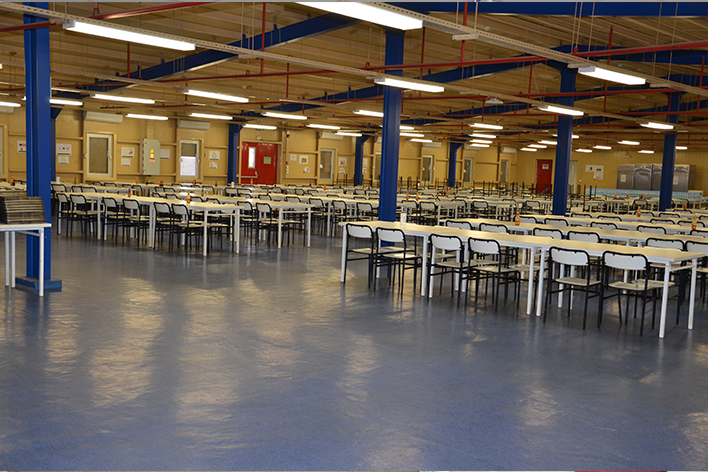
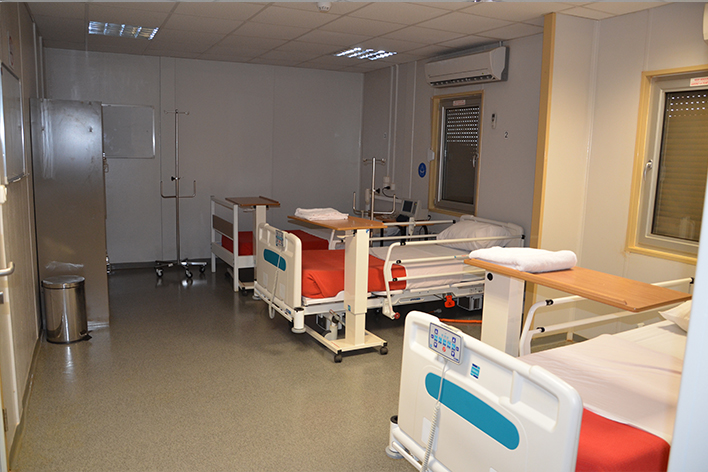
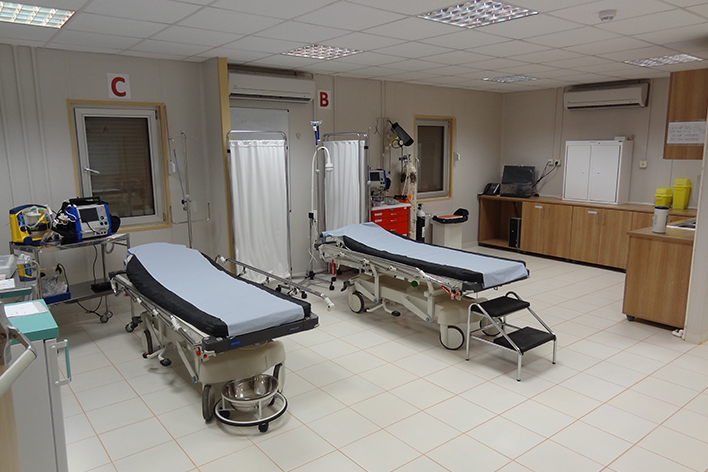
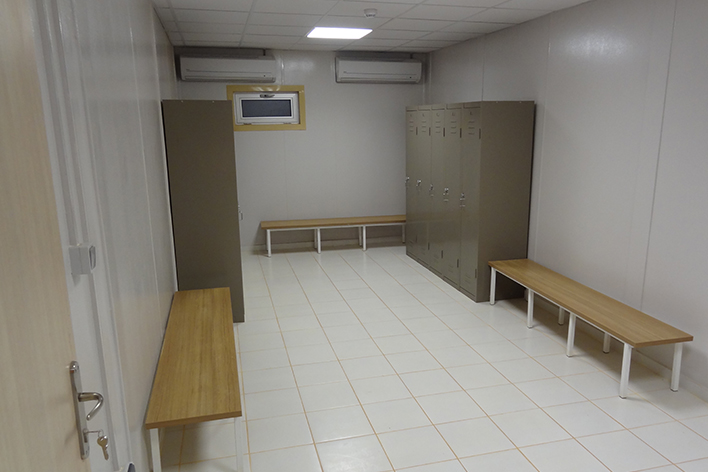
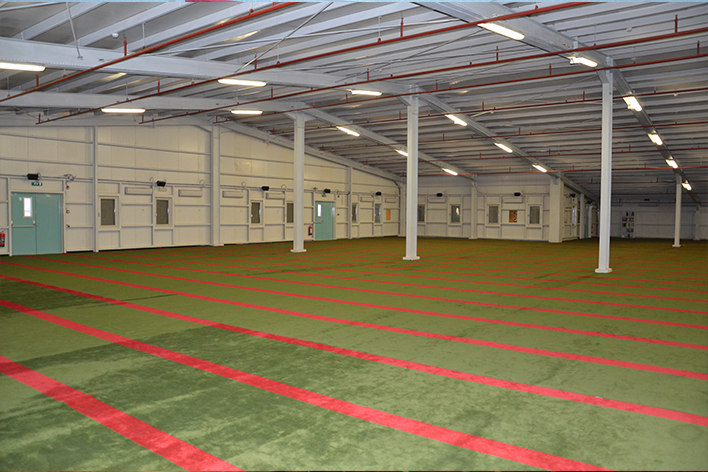
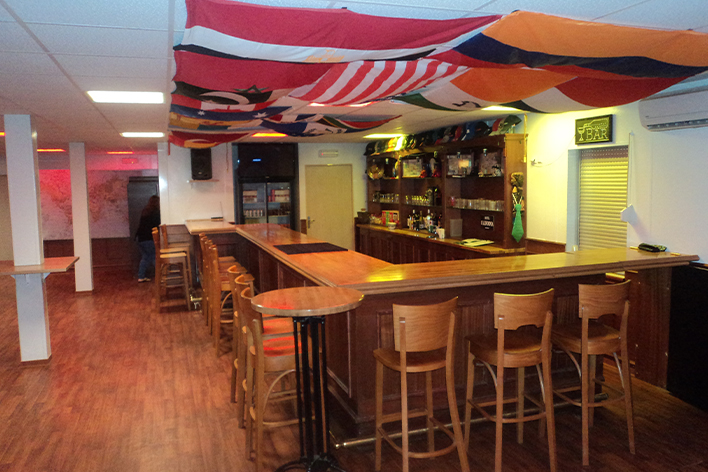
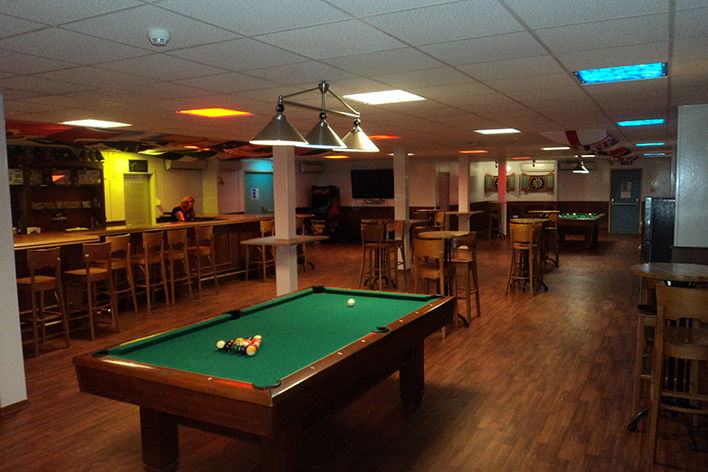
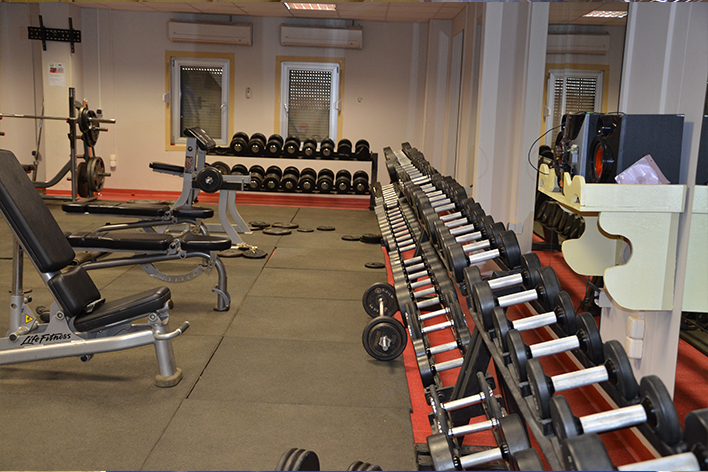
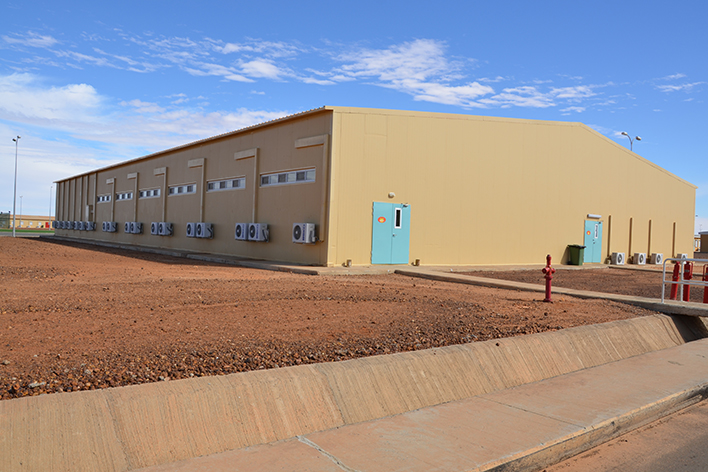
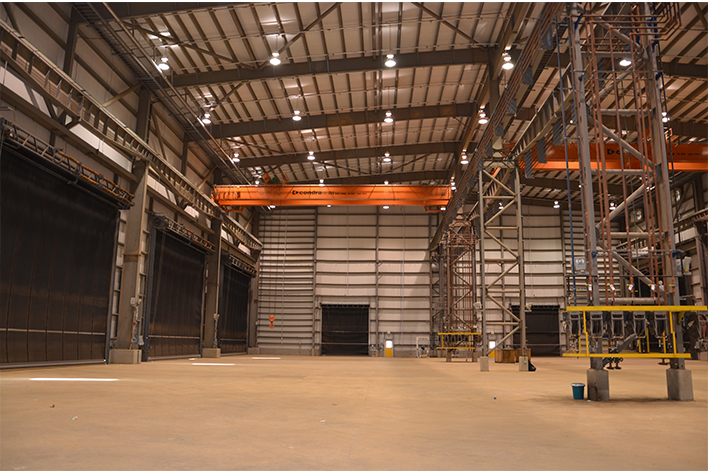
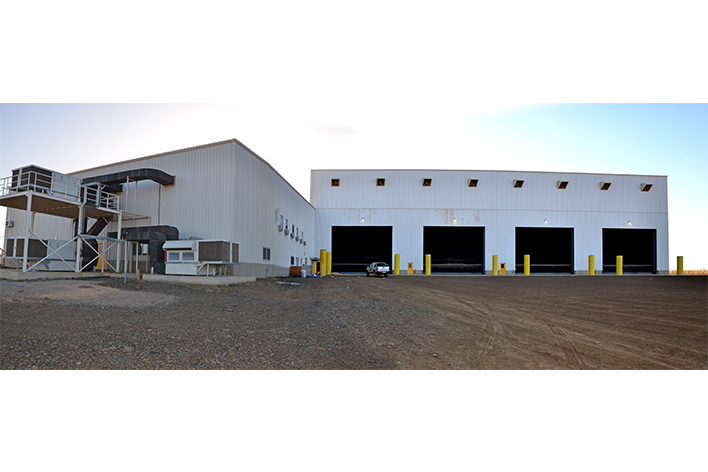
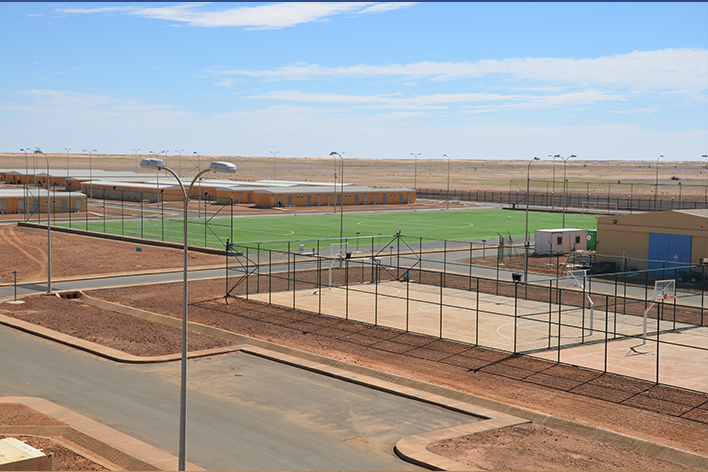
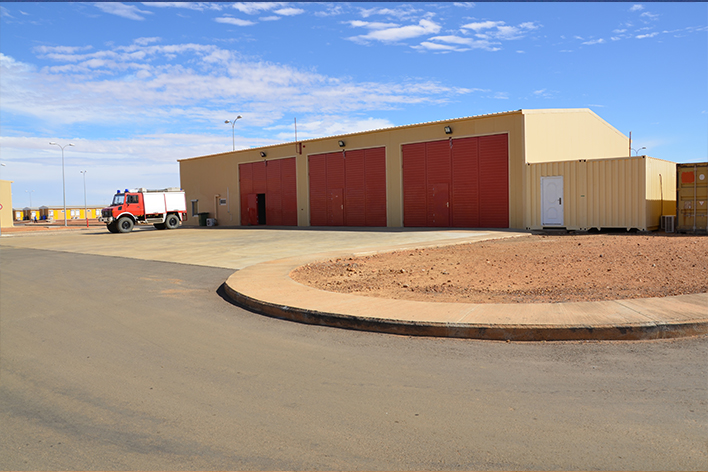
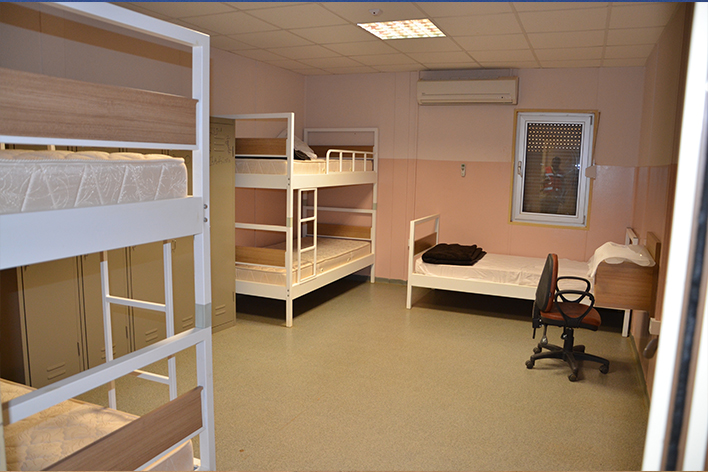
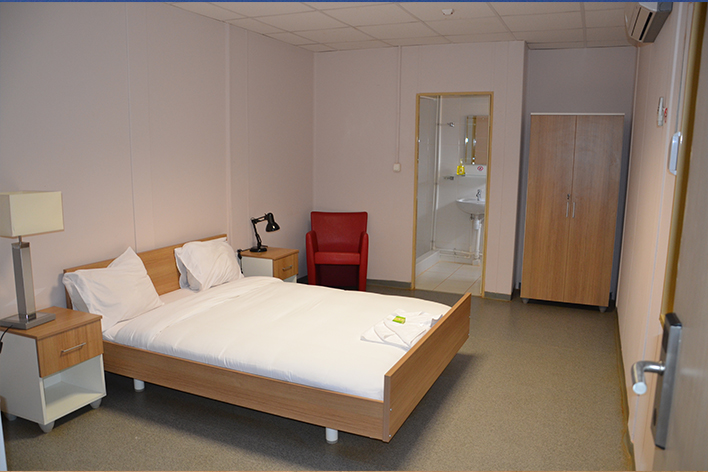
The project included the construction of 151 different types of buildings and facilities. Superstructure elements comprised personnel accommodation units, social and recreational facilities, clinic and healthcare buildings, sports complexes, and administrative and operational buildings.
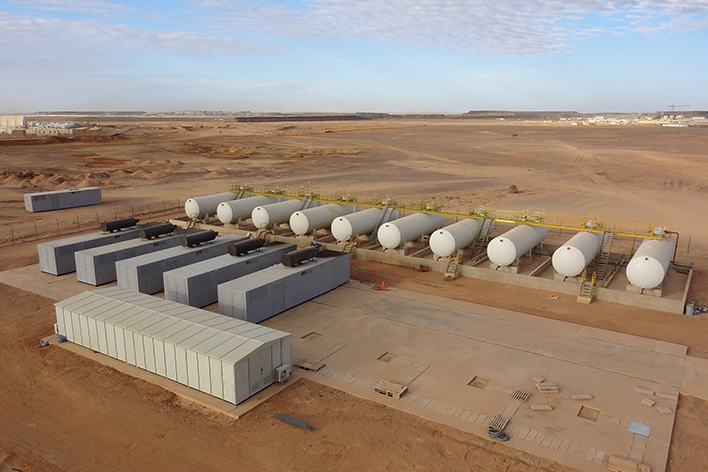
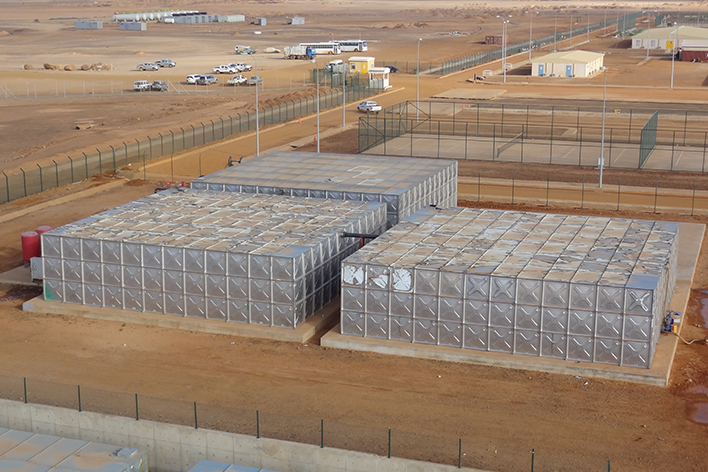
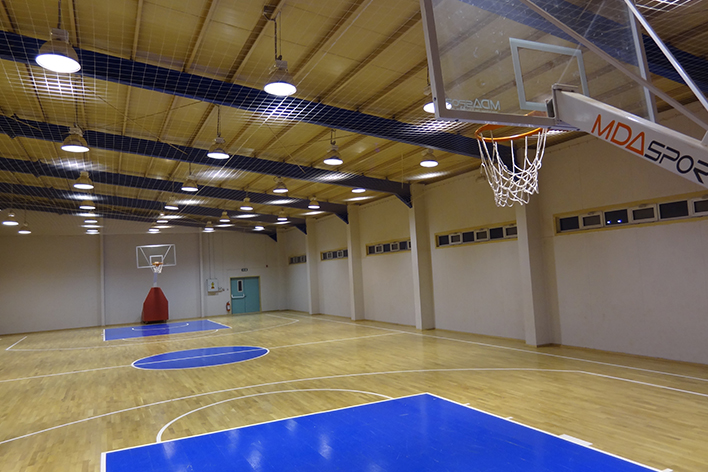
Infrastructure works covered electrical and mechanical systems, telecommunication networks, generator sets, transformer centers and power distribution units, diesel fuel storage tanks, potable water and wastewater networks, water and wastewater storage tanks, pumping stations, booster systems, water treatment and wastewater treatment plants, fire water tanks, hydrants and fire pumps, drainage channels and pools, ground improvement works, asphalt roads, concrete walkways, as well as football, tennis and basketball courts.
Equipment and Mechanical Systems, Fully Equipped Social and Technical Facilities
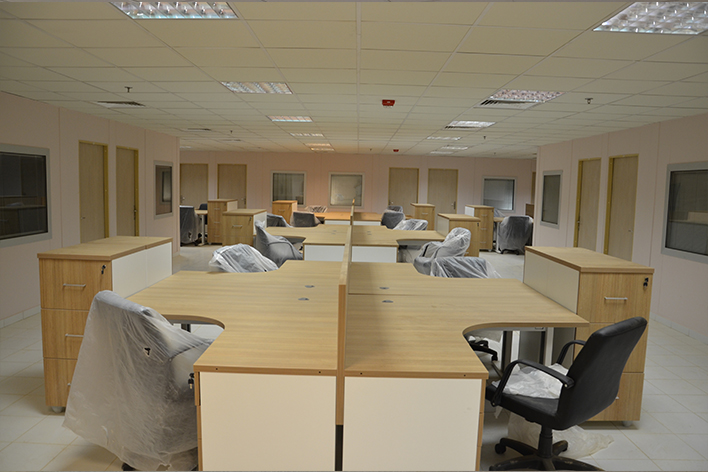
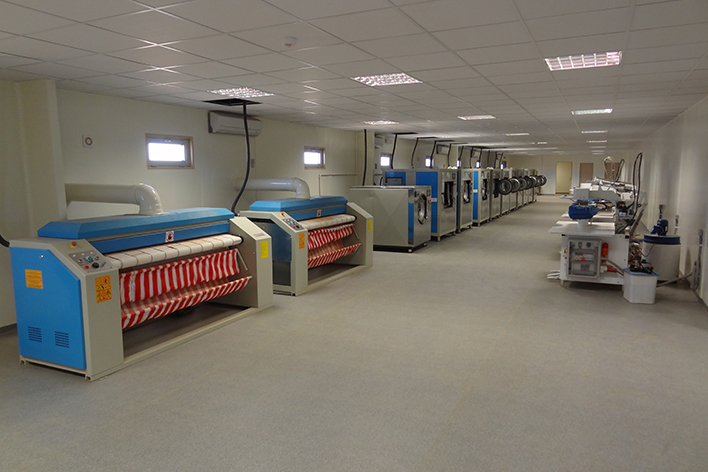
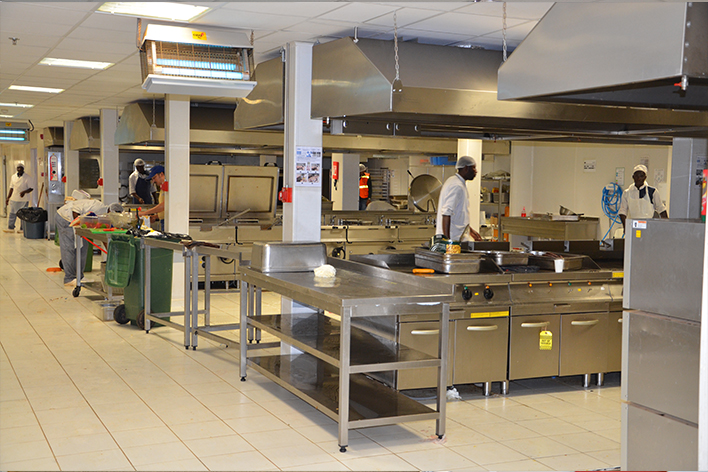
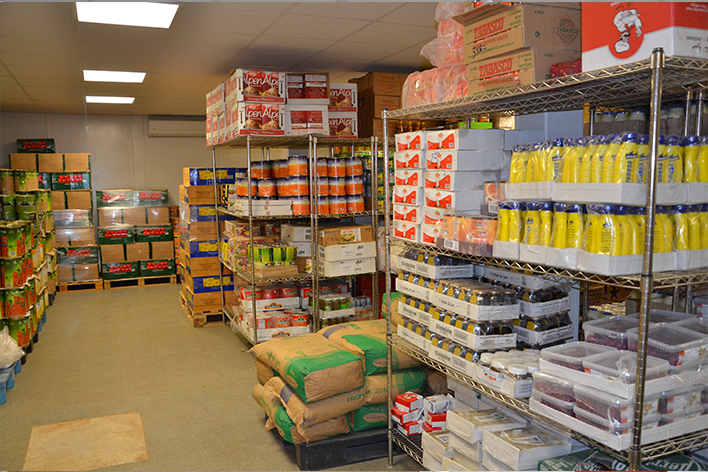
All buildings within the camp were delivered fully equipped with comprehensive furnishings and systems including industrial kitchen equipment, laundry systems, clinic and medical equipment, gym and sports equipment, HVAC and air conditioning systems, hot water systems, and cold room equipment.
Project Duration, A Large Scale EPC Application Completed in 12 Months
Construction activities under the main contract were completed between December 2011 and December 2012. Following delivery, DORCE provided 18 months of maintenance and operation services to ensure the continuous functioning of the facilities.
A Logistics Success Story, A Supply Chain Extending from Ankara to the Sahara
Material shipments from DORCE’s production facilities in Ankara, Türkiye, to the Tasiast site in Mauritania were executed through a multimodal logistics strategy. A significant portion of shipments was carried out by charter vessels, transporting 640 of the total 869 containers, including 85 containers used for mobilization. These shipments were routed from Istanbul Ambarlı Mardaş Port to Nouakchott Port, with 12 days of sea transport, approximately 7 days of customs and land transport, totaling a delivery time of 19 to 20 days.
Additionally, liner services operated by Maersk transported 229 containers from Kocaeli İzmit Evyap Port to Nouakchott Port, achieving a total delivery time of 25 to 27 days.
For time critical materials, 12 cargo aircraft flights were arranged, reducing the total delivery time to 7 days.
Personnel logistics included twice daily flights using 16 seat aircraft for management teams, while blue collar, white collar and local staff were transferred to the site via land convoy.
Through this integrated logistics model, materials and human resources were delivered to the Tasiast site on time and without interruption.
Project Challenges, Overcoming the Hardest Conditions, Remote Location, Large Scale, Tight Schedule
The project posed significant technical and logistical challenges due to its isolated geography, large construction footprint, high building volume, tight project schedule and harsh climatic conditions. However, with the EPC contract structure and the implementation of prefabricated modular construction methods, these challenges were effectively managed.
Solution Approach, Engineering and Collaboration Strength, Integrated and Flexible EPC Project Management
By using prefabricated and modular steel systems, the overall construction duration was substantially shortened. Infrastructure and superstructure works were planned in an integrated manner. Close coordination with the client and engineering firm facilitated fast decision making and flexible site management. Planned maintenance and operational strategies applied after handover ensured long term performance of the facilities.
Project Outcomes, Measurable Success, On Time Delivery, High Comfort, Sustainable Construction
The Tasiast Gold Mine Worker Camp Project was completed within the planned schedule and delivered as a safe, comfortable and high standard living environment. Prefabricated and modular construction systems minimized environmental impact and supported a sustainable building approach.
During the execution of the project, 10 million man hours were recorded without a single Lost Time Injury (LTI).
Conclusion, A Benchmark EPC Camp Solution for Africa and Remote Regions
The Tasiast Gold Mine Worker Camp Project stands as a global EPC reference demonstrating how prefabricated, modular and turnkey camp solutions can effectively meet the needs of large scale mining operations in remote geographies. It serves as a robust model for similar workforce accommodation and living city projects, particularly across Africa and other remote regions.