
Remote Operation Excellence: Managing 5,000-Person Oil Camps in Extreme Climates
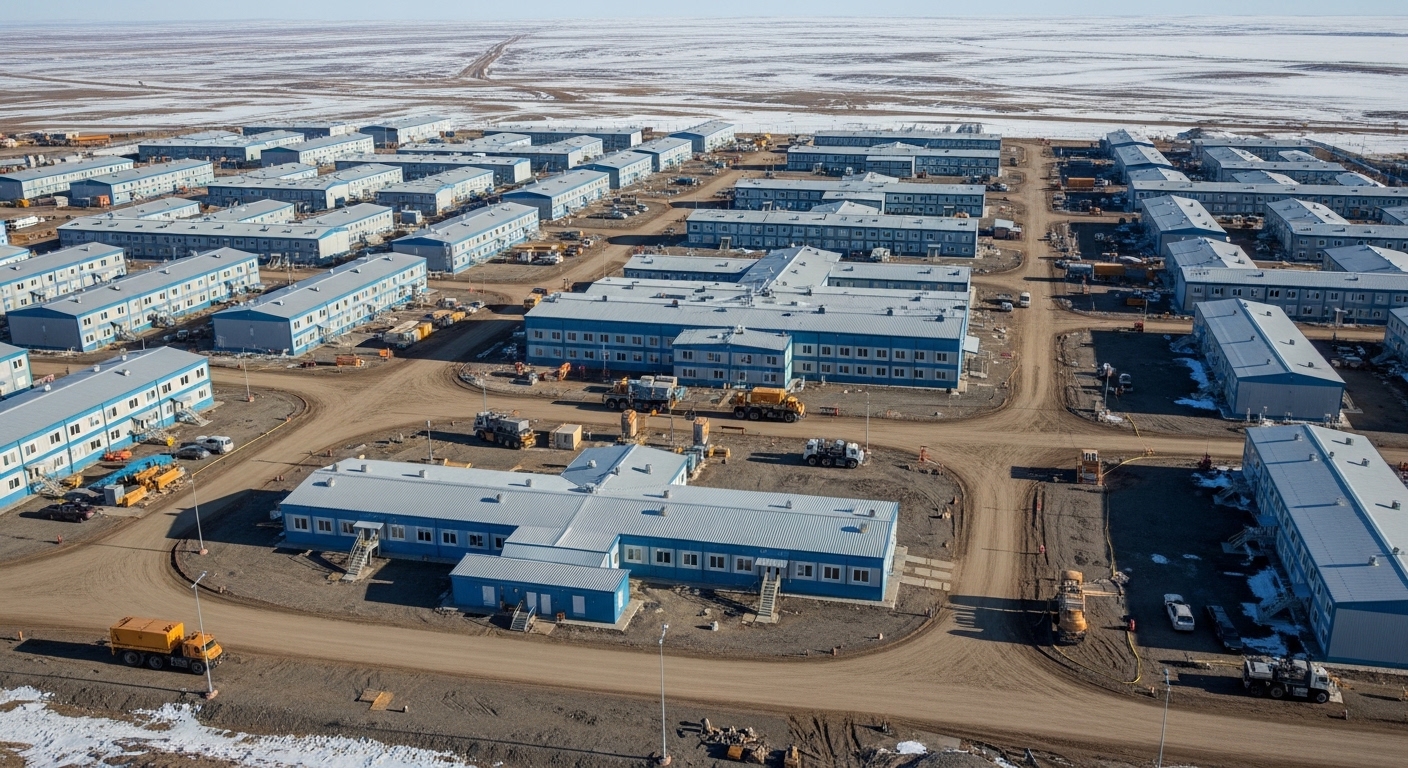
Large-scale oil and gas projects frequently operate in some of the world’s most remote and environmentally challenging regions. From Arctic energy developments in Alaska and Northern Russia to desert exploration zones across North Africa and the Middle East, these projects require large workforce accommodation systems capable of supporting thousands of personnel for extended periods. Managing a 5,000-person oil camp in such conditions requires far more than simply providing housing. It demands a fully integrated operational ecosystem that combines infrastructure, logistics, utilities, life-support services, and strict safety management.
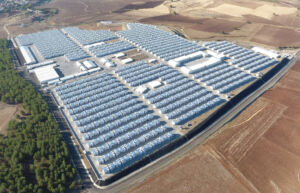
Modern energy projects rely on highly organized workforce settlements often referred to as man camps or Life Support Areas (LSA). These integrated facilities function as temporary cities, supporting workers who operate drilling rigs, construction spreads, pipeline projects, and production facilities. When designed correctly, these camps allow energy companies to maintain productivity, protect worker wellbeing, and sustain safe operations even in extreme climates.
What are Large-Scale Remote Oil Camps
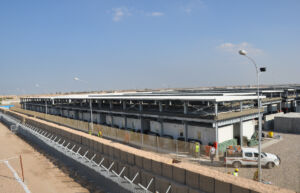
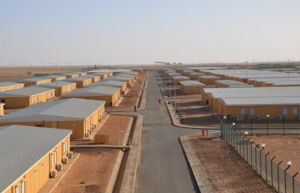
Large-scale oil camps are self-sufficient workforce accommodation settlements built near remote energy project sites. Because these regions typically lack existing infrastructure, the camps must provide every essential service required to support thousands of workers.
A typical 5,000-person oil camp includes:
• Accommodation buildings for workforce housing
• Dining halls capable of serving thousands of meals daily
• Administrative and operational offices
• Medical clinics and emergency response facilities
• Recreational buildings and welfare areas
• Industrial kitchens and large-scale food storage systems
• Utility buildings supporting electricity generation and water treatment
• Laundry facilities, sanitation infrastructure, and waste management systems
These facilities operate continuously throughout the project lifecycle and must maintain reliable performance regardless of environmental conditions.
Advantages
Well-designed modular oil camps provide several operational advantages that allow large workforce settlements to function efficiently in extreme climates.
• Rapid mobilization of infrastructure
Prefabricated modular systems allow large camps to be constructed much faster than traditional building methods.
• Operational reliability in extreme environments
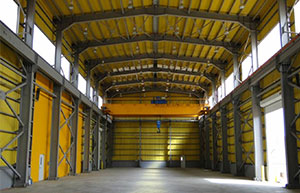
Modular steel buildings can be engineered for desert heat, high winds, Arctic snow loads, and sub-zero temperatures.
• Integrated life-support services
Dining, recreation, medical care, and welfare facilities help maintain workforce productivity and morale during long project rotations.
• Efficient utilities management
Centralized systems for electricity generation, water purification, heating, and waste management allow camps to operate independently from regional infrastructure.
• Improved safety and security management
Structured camp layouts support emergency response planning, controlled access points, and compliance with industrial safety standards.
• Scalable infrastructure development
Large camps can expand or contract depending on project workforce requirements during exploration, construction, and production phases.
These advantages enable energy companies to maintain stable operations even in locations where environmental conditions and logistics would otherwise create significant operational risk.
Usage Areas
Large modular oil camps are widely used across global energy developments that operate far from urban infrastructure.
Typical deployment environments include:
• Arctic oil developments on Alaska’s North Slope
• Remote oil exploration areas in North Africa and the Sahara Desert
• LNG development projects located in isolated coastal regions
• Pipeline construction corridors extending across hundreds of kilometers
• Mining and energy exploration projects in remote mountainous regions
In all these locations, workforce accommodation infrastructure must function as a self-sustaining operational hub capable of supporting thousands of personnel safely and efficiently.
Dorçe Prefabrik develops modular infrastructure solutions designed for large industrial workforce settlements operating in remote and extreme environments. With extensive experience in prefabricated steel building systems, integrated engineering design, and turnkey EPC delivery, Dorçe provides scalable modular camp infrastructure capable of supporting thousands of workers in oil, gas, mining, and infrastructure projects worldwide. By combining advanced off-site manufacturing with efficient logistics planning and rapid installation methods, Dorçe enables energy developers to deploy reliable Life Support Areas that maintain operational continuity in the most demanding climates.
Tags
Tags