
Sustainable Modular Housing for Alaska’s Mineral Exploration: High Performance, Low Footprint
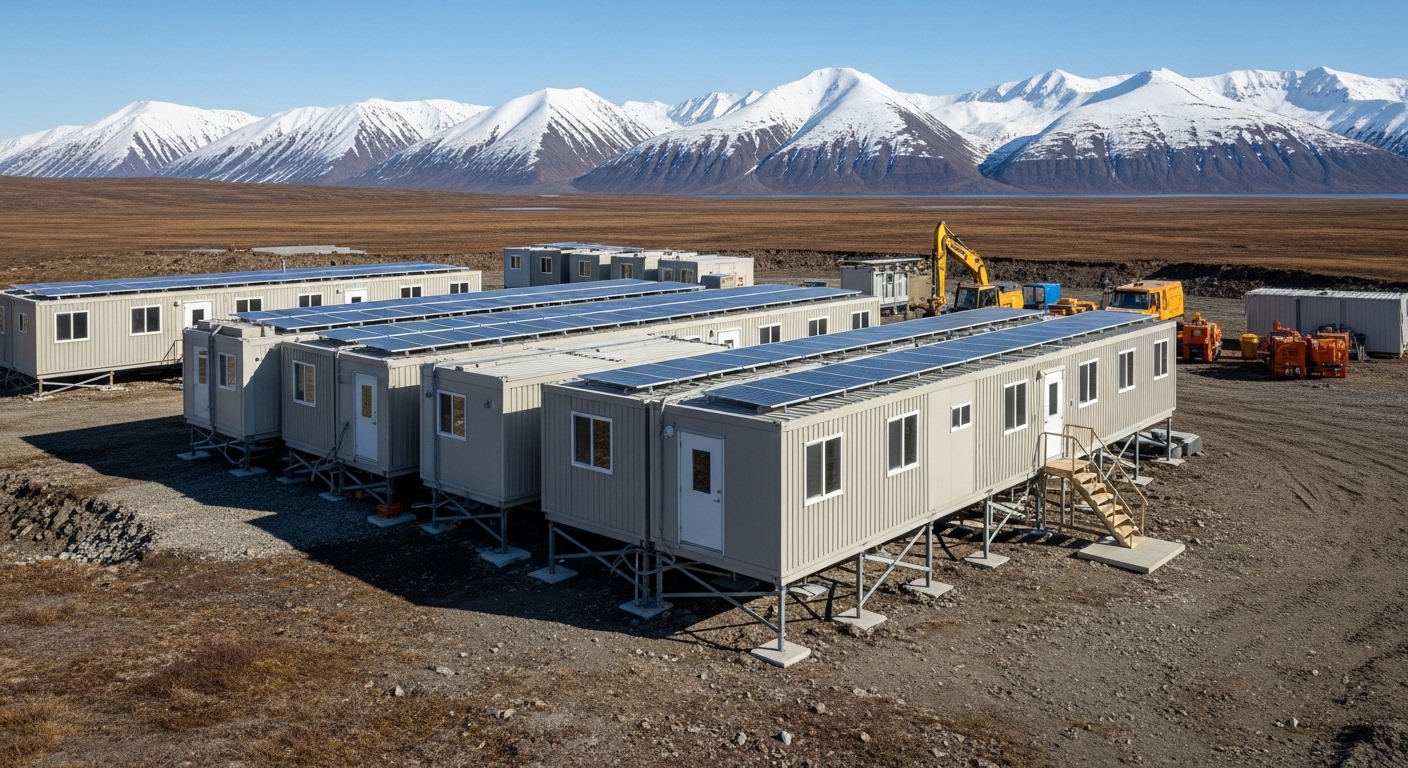
Alaska’s mineral exploration sector is expanding as global demand rises for gold, copper, rare earth elements, and other critical minerals required for energy transition technologies. However, exploration activities in Alaska take place in environmentally sensitive landscapes where regulatory compliance, ecological protection, and sustainable development are essential considerations. Remote exploration teams require workforce accommodation systems that can operate efficiently while minimizing environmental impact.
Sustainable modular housing has emerged as one of the most effective solutions for exploration camps in Alaska. Through prefabricated modular construction, mining companies can deploy high-performance accommodation infrastructure that supports operational needs while maintaining a low environmental footprint.
The Environmental Context of Mineral Exploration in Alaska
Many mineral exploration sites in Alaska are located within fragile ecosystems such as tundra landscapes, mountainous terrain, and areas with permafrost soil conditions. These environments require careful infrastructure planning to avoid long-term environmental damage.
Key environmental considerations include:
• Protection of permafrost ground conditions
• Minimization of land disturbance
• Reduction of construction waste
• Protection of water resources
• Responsible fuel and energy management
• Compliance with environmental permitting requirements
Traditional construction methods often generate large volumes of waste and require extensive ground disturbance. Modular construction reduces these impacts significantly.
Modular Construction as a Sustainable Building Method
Prefabricated modular construction shifts most building activities away from the project site into controlled factory environments. This industrialized approach allows for more precise material use and better waste management.
Sustainability benefits of modular construction include:
• Reduced material waste during manufacturing
• Higher precision in building assembly
• Lower on-site construction activity
• Reduced transportation of raw materials
• Faster installation timelines
For exploration projects operating under tight seasonal windows, these advantages support both environmental protection and operational efficiency.
High-Performance Building Envelopes
Sustainable housing in Alaska must also address energy performance. Cold climates require well-insulated buildings that reduce heating demand and fuel consumption.
High-performance modular housing systems typically incorporate:
• Insulated sandwich panel wall systems
• High-performance thermal insulation materials
• Triple-glazed energy-efficient windows
• Airtight construction techniques
• Thermal breaks in structural connections
These features significantly improve building energy efficiency and reduce the energy required to maintain comfortable interior temperatures.
Energy Efficiency in Remote Exploration Camps
Exploration camps typically rely on diesel generators for power generation. Fuel must often be transported over long distances, making energy efficiency a major operational priority.
Energy-efficient modular housing can reduce fuel consumption through:
• Improved thermal insulation
• Energy-efficient heating systems
• Smart building energy monitoring systems
• Reduced heat loss through optimized building envelopes
Lower energy demand reduces both operational costs and environmental impact.
Renewable Energy Integration
Although diesel generators remain the primary power source for most remote camps, renewable energy technologies are increasingly integrated into exploration infrastructure.
Potential renewable solutions include:
• Solar photovoltaic systems for supplemental power
• Battery energy storage systems to stabilize power supply
• Solar thermal systems for water heating
• Hybrid energy systems combining renewable and conventional power
These technologies reduce reliance on fuel transport while supporting sustainability goals.
Minimal Ground Disturbance and Relocatable Infrastructure
Environmental protection regulations in Alaska often require temporary infrastructure that can be removed after exploration activities are completed.
Modular housing systems support these requirements through:
• Elevated foundation systems minimizing soil disturbance
• Relocatable building modules
• Reduced excavation requirements
• Reusable building components
After exploration projects conclude, modular buildings can be relocated to other sites or repurposed for future operations.
Waste and Water Management Systems
Responsible waste management is essential for sustainable exploration camps.
Integrated modular infrastructure typically includes:
• Water purification and storage systems
• Wastewater treatment units
• Solid waste management systems
• Controlled fuel storage and containment systems
Proper management of these systems protects surrounding ecosystems and ensures regulatory compliance.
Worker Comfort and Health in Sustainable Camps
Sustainability in exploration camps also extends to worker well-being. Comfortable living environments improve morale, productivity, and long-term workforce stability.
Modern modular housing systems provide:
• Comfortable dormitory accommodation
• High indoor air quality
• Reliable heating systems
• Recreation and relaxation spaces
• Dining facilities and hygiene infrastructure
These features support the physical and mental well-being of personnel working in remote environments.
Logistics Advantages of Modular Infrastructure
Transporting construction materials to remote exploration sites is often expensive and complex. Modular construction simplifies logistics by consolidating building components into complete structural units.
Transportation methods may include:
• Marine shipping to Alaska ports
• Rail transport where available
• Long-distance trucking routes
• Air transport for urgent equipment and personnel
Reducing the number of shipments required helps minimize environmental disturbance and logistical complexity.
Dorçe Prefabrik Capabilities in Sustainable Exploration Housing
Dorçe Prefabrik has extensive experience delivering modular and prefabricated construction solutions for remote industrial and energy projects. The company integrates engineering expertise, industrial manufacturing, and global logistics capabilities to deliver sustainable workforce accommodation systems.
Key capabilities include:
• Sustainable modular workforce housing systems
• Integrated Life Support Areas including dining, medical, and recreation facilities
• High-performance prefabricated steel modular buildings for extreme climates
• Off-site manufacturing reducing environmental impact
• Turnkey EPC delivery from design through commissioning
These capabilities allow Dorçe to support mining exploration projects where environmental responsibility and operational efficiency must be balanced.
Dorçe-related conclusion
Mineral exploration projects in Alaska require infrastructure that supports operational efficiency while protecting fragile natural environments. Sustainable modular housing provides a practical solution by combining high-performance building systems with low-impact construction methods. Through prefabricated modular construction and integrated project delivery, Dorçe Prefabrik delivers environmentally responsible workforce accommodation systems that help mining companies operate efficiently while minimizing their ecological footprint in Alaska’s remote exploration regions.
Tags
Tags