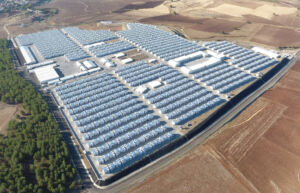
Sustainable Rebuilding: Eco-Friendly Modular Homes for Post-War Recovery
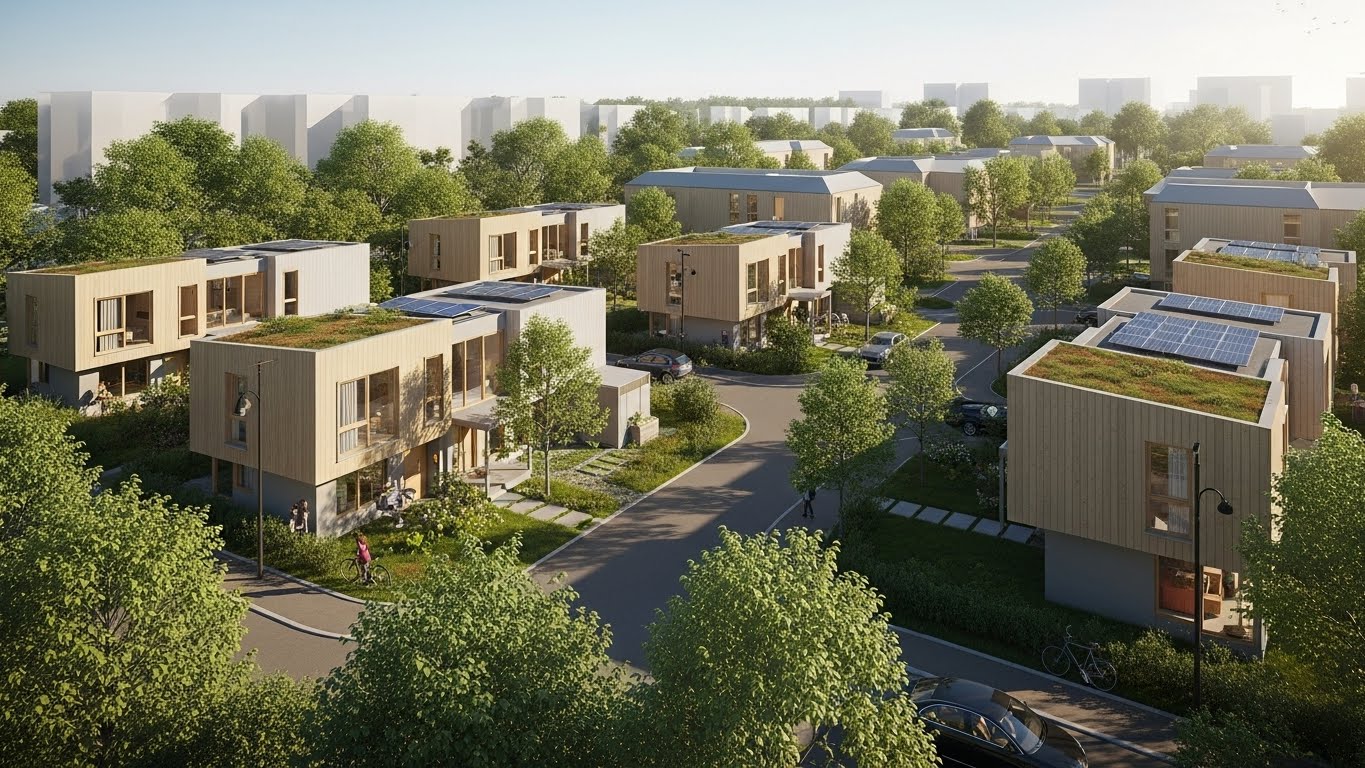
What Are Eco-Friendly Modular Homes for Post-War Recovery?
Eco-friendly modular homes are prefabricated housing systems designed to reduce environmental impact throughout their lifecycle while supporting rapid reconstruction needs. These homes are manufactured offsite in controlled factory environments using optimized materials, energy efficient building envelopes, and precision engineering techniques.
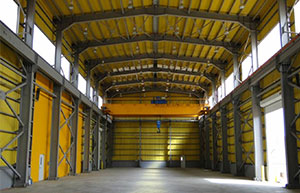
In post-war recovery scenarios, modular homes allow housing production to proceed independently from on site constraints. Structural components, insulation systems, and building services are integrated during factory production, resulting in efficient assembly and reduced on site waste. The result is housing that meets sustainability objectives while providing safe and durable living environments.
Advantages of Sustainable Modular Housing
Environmental efficiency is one of the primary advantages of eco-friendly modular homes. Factory based production reduces material waste, optimizes resource usage, and lowers overall carbon emissions compared to traditional construction methods. Modular systems also allow for the use of recyclable materials and energy efficient components.
Speed of delivery remains a critical benefit. Modular homes can be produced and assembled in parallel with infrastructure restoration, enabling communities to regain housing quickly while sustainability measures are fully integrated into the design.
Energy performance is another key advantage. High quality insulation, airtight construction, and efficient building systems contribute to lower energy consumption and improved indoor comfort. These features reduce operational costs and support long term environmental goals.
Durability and longevity further strengthen sustainable modular housing. Steel based structural systems provide resistance to seismic activity, harsh weather conditions, and long term use, allowing homes to function as permanent residences rather than temporary shelters.
Usage Areas of Eco-Friendly Modular Homes
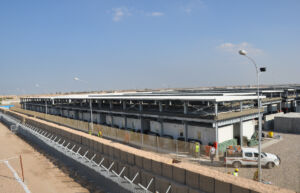
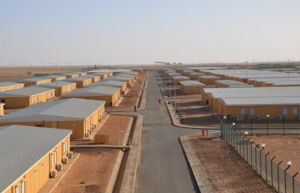
Eco-friendly modular homes are widely used in residential rebuilding programs following large scale destruction. They provide permanent housing solutions that align with sustainable urban planning strategies.
These systems are also applied in community development projects where environmental impact must be minimized. Modular homes can be integrated into new neighborhoods, satellite towns, and urban extensions designed to support long term population growth.
Public housing initiatives and international recovery programs increasingly adopt sustainable modular housing to meet environmental commitments while delivering large volumes of housing within limited timeframes.
Dorce’s Difference in Sustainable Post-War Housing Solutions
Dorce Prefabricated Construction delivers sustainable modular housing through a fully integrated Design Build and EPC approach. From engineering and material selection to manufacturing, logistics, installation, and commissioning, all processes are managed with a focus on environmental responsibility and quality performance.
Dorce designs eco-friendly modular homes in compliance with international sustainability and structural standards. Advanced manufacturing facilities, digital engineering tools, and optimized supply chains enable efficient production with reduced environmental impact.
By combining sustainability, speed, and long term durability, Dorce supports post-war recovery with housing solutions that contribute to resilient and environmentally responsible communities. Through eco-friendly modular construction, Dorce Prefabricated Construction helps rebuild not only homes, but also a more sustainable future.