From Manufacturing to Assembly: Dorce’s End-to-End Emergency Solutions

2025-12-22T11:43:42+03:00

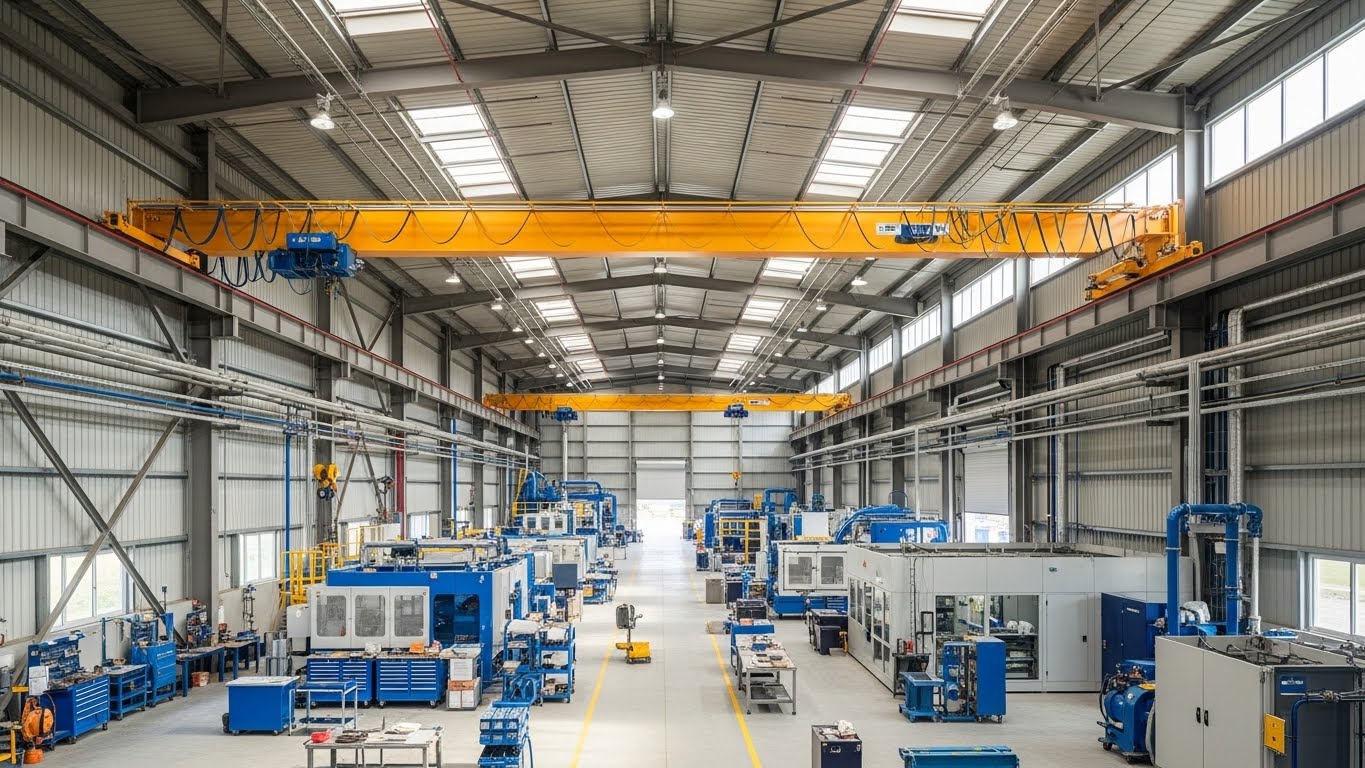
From Manufacturing to Assembly: Dorce’s End-to-End Emergency Solutions In emergency and crisis driven projects, fragmented responsibilities and delayed coordination often become the biggest obstacles to fast and reliable delivery. Emergency housing, healthcare facilities, and critical infrastructure require not only speed, but also precision, quality control, and seamless execution. Dorce Prefabricated Construction addresses these challenges through a fully integrated end to end delivery model, managing every phase from manufacturing to on site assembly under a single operational structure. What Is an End-to-End Emergency Solution? An end to end emergency solution refers to a comprehensive project delivery approach where design, engineering, more..

From Manufacturing to Assembly: Dorce’s End-to-End Emergency Solutions2025-12-22T11:43:42+03:00

Case Study: How Dorce Delivers Rapid Housing in Extreme Climates

2025-12-22T11:36:55+03:00

Case Study: How Dorce Delivers Rapid Housing in Extreme Climates Rapid housing delivery becomes significantly more complex in extreme climates where temperature fluctuations, harsh weather, and limited infrastructure challenge conventional construction methods. From desert heat and sandstorms to cold regions and high humidity zones, housing solutions must be fast to deploy while remaining durable, comfortable, and energy efficient. This case study approach highlights how Dorce Prefabricated Construction successfully delivers rapid housing solutions in some of the world’s most demanding environments through advanced modular and prefabricated building systems. What Is Rapid Housing in Extreme Climates? Rapid housing in extreme climates more..

Case Study: How Dorce Delivers Rapid Housing in Extreme Climates2025-12-22T11:36:55+03:00

Energy Efficiency in Temporary Housing: Lowering Costs in Remote Areas

2025-12-22T10:28:07+03:00

Energy Efficiency in Temporary Housing: Lowering Costs in Remote Areas Temporary housing solutions play a critical role in remote areas where access to permanent infrastructure is limited. From workforce accommodation in mining and energy projects to humanitarian housing and emergency settlements, operational costs and energy availability are constant challenges. Energy efficient temporary housing has become a strategic necessity, enabling lower operating expenses, improved living conditions, and long term sustainability in locations where power generation and fuel supply are often constrained. What Is Energy Efficiency in Temporary Housing? Energy efficiency in temporary housing refers to the design, construction, and operation more..

Energy Efficiency in Temporary Housing: Lowering Costs in Remote Areas2025-12-22T10:28:07+03:00

Containerized vs. Prefabricated Units: Choosing the Right Emergency Solution

2025-12-22T10:18:13+03:00

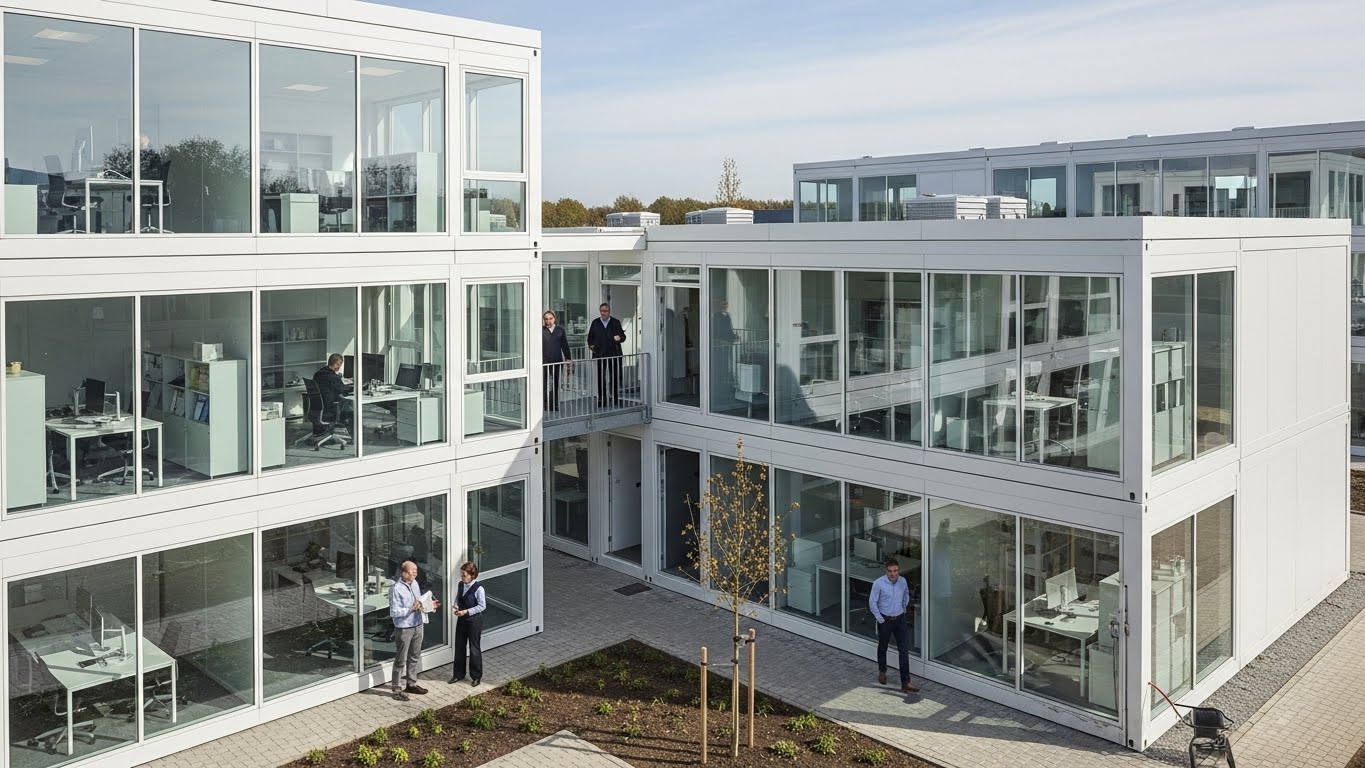
Containerized vs. Prefabricated Units: Choosing the Right Emergency Solution In emergency and rapid response projects, selecting the right building solution directly impacts speed, functionality, and long term performance. Governments, humanitarian organizations, and industrial operators often face a critical decision between containerized units and prefabricated units. While both systems enable fast deployment compared to conventional construction, their structural logic, flexibility, and operational suitability differ significantly. Understanding these differences is essential for delivering effective emergency infrastructure under challenging conditions. What Are Containerized and Prefabricated Units? Containerized units are building solutions developed from standard ISO shipping containers. Originally designed for global logistics, more..

Containerized vs. Prefabricated Units: Choosing the Right Emergency Solution2025-12-22T10:18:13+03:00

The Agility of Modular Building Systems in Urgent Infrastructure Projects

2025-12-22T10:12:55+03:00

The Agility of Modular Building Systems in Urgent Infrastructure Projects Urgent infrastructure projects demand speed, adaptability, and certainty under pressure. Whether responding to natural disasters, rapid urban growth, humanitarian needs, or critical industrial developments, conventional construction methods often struggle to meet compressed timelines and evolving requirements. Modular building systems offer a highly agile construction approach, enabling fast deployment, scalable design, and reliable quality for infrastructure projects where time and flexibility are decisive factors. What Is the Agility of Modular Building Systems? Modular building systems are based on the off site production of standardized or customized building modules that are more..

The Agility of Modular Building Systems in Urgent Infrastructure Projects2025-12-22T10:12:55+03:00

Off-Site Construction: Reducing Lead Times in Emergency Projects

2025-12-22T08:55:48+03:00

Off-Site Construction: Reducing Lead Times in Emergency Projects In emergency situations such as natural disasters, humanitarian crises, and post conflict recovery efforts, time is the most critical factor. Traditional construction methods often struggle to respond fast enough to urgent shelter, healthcare, and infrastructure needs. Off site construction offers a proven alternative by enabling rapid delivery, predictable quality, and scalable solutions under extreme time pressure. For emergency projects where speed, reliability, and coordination are essential, off site construction has become a strategic approach rather than an optional method. What is Off-Site Construction? Off site construction is a building method where more..

Off-Site Construction: Reducing Lead Times in Emergency Projects2025-12-22T08:55:48+03:00

Why Light Gauge Steel (LGS) is Superior for Emergency Housing

2025-12-19T18:04:04+03:00

Why Light Gauge Steel (LGS) is Superior for Emergency Housing Emergency housing solutions must respond to urgent needs while ensuring structural safety, durability, and long term usability. In crisis and disaster affected environments, traditional construction methods often face challenges related to time, quality control, and material availability. Light Gauge Steel construction has emerged as a superior solution for emergency housing due to its strength, speed, and reliability. Dorce Prefabricated Construction utilizes advanced Light Gauge Steel systems to deliver emergency housing that meets international standards and performs under demanding conditions. What Is Light Gauge Steel Emergency Housing? Light Gauge Steel more..

Why Light Gauge Steel (LGS) is Superior for Emergency Housing2025-12-19T18:04:04+03:00

Designing Safe and Hygienic Living Spaces for Emergency Settlements

2025-12-19T17:57:08+03:00

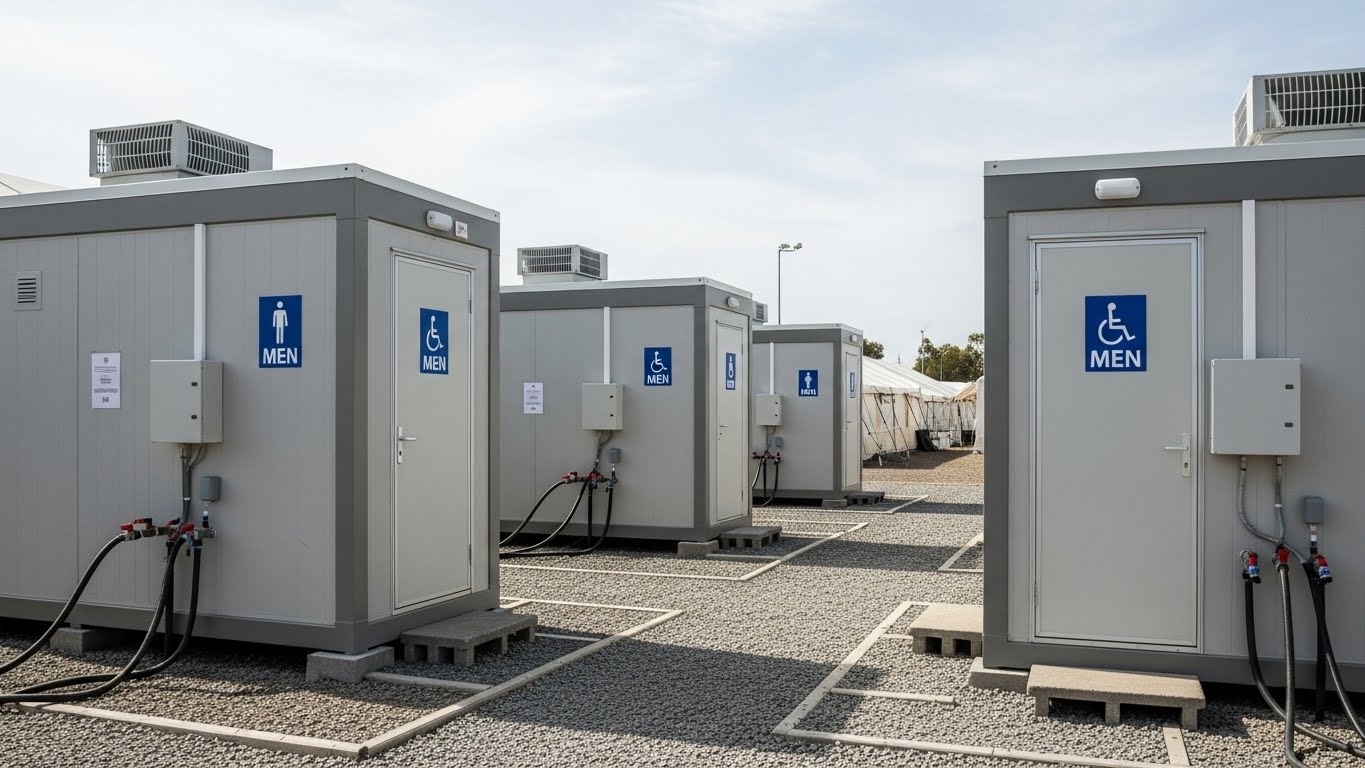
Designing Safe and Hygienic Living Spaces for Emergency Settlements What Are Safe and Hygienic Living Spaces in Emergency Settlements? Safe and hygienic living spaces are purpose designed accommodation units that meet essential health, safety, and environmental standards in emergency contexts. These spaces are planned to reduce health risks, support personal dignity, and enable efficient sanitation and maintenance. Modular and prefabricated systems are manufactured in controlled factory environments, allowing hygiene related elements such as ventilation, insulation, plumbing, and surface finishes to be integrated during production. Steel based structural systems ensure stability and durability, while standardized layouts support effective circulation, separation more..

Designing Safe and Hygienic Living Spaces for Emergency Settlements2025-12-19T17:57:08+03:00

Cost-Effective Accommodation Solutions for Humanitarian Aid Missions

2025-12-19T17:45:08+03:00

Cost-Effective Accommodation Solutions for Humanitarian Aid Missions What Are Cost-Effective Accommodation Solutions for Humanitarian Aid? Cost-effective accommodation solutions are housing systems designed to deliver maximum functionality and safety with optimized investment and lifecycle costs. In humanitarian aid missions, these solutions must be fast to deploy, easy to maintain, and adaptable to different climates and operational needs. Modular and prefabricated accommodation units are manufactured in controlled factory environments using standardized designs and efficient material usage. This approach reduces construction waste, minimizes on-site labor requirements, and shortens project timelines. As a result, accommodation facilities can be delivered quickly and economically without more..

Cost-Effective Accommodation Solutions for Humanitarian Aid Missions2025-12-19T17:45:08+03:00

Integrated Facilities for Refugee Camps: Clinics, Schools, and Housing

2025-12-19T17:35:12+03:00

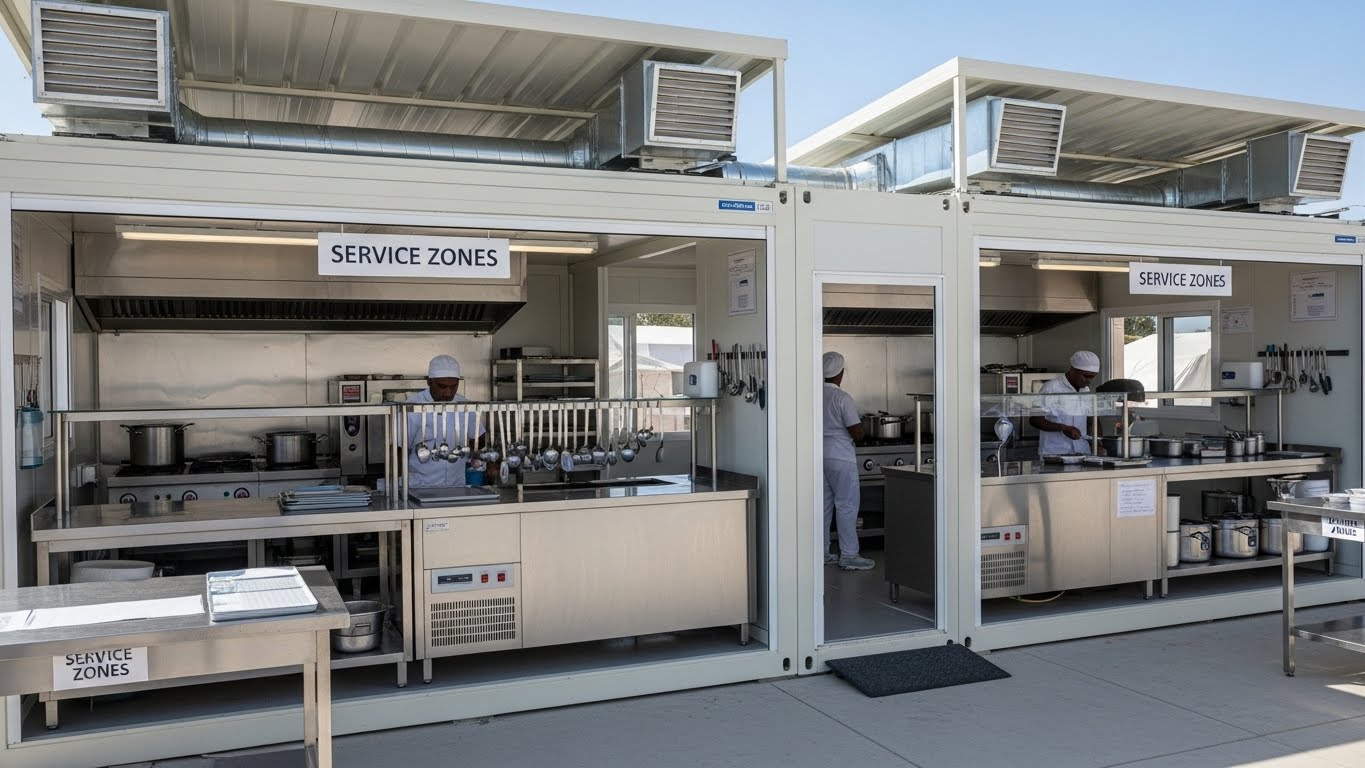
Integrated Facilities for Refugee Camps: Clinics, Schools, and Housing What Are Integrated Facilities for Refugee Camps? Integrated facilities for refugee camps are modular building systems designed to operate together as a complete settlement. Instead of isolated structures, housing units, healthcare facilities, educational buildings, administrative offices, and support infrastructure are planned and delivered as a unified system. These facilities are manufactured offsite in controlled factory environments using steel based modular and prefabricated construction technologies. Once transported to site, buildings are assembled quickly with minimal disruption. This approach ensures consistent quality, coordinated functionality, and compliance with international safety and performance standards more..

Integrated Facilities for Refugee Camps: Clinics, Schools, and Housing2025-12-19T17:35:12+03:00
Go to Top