
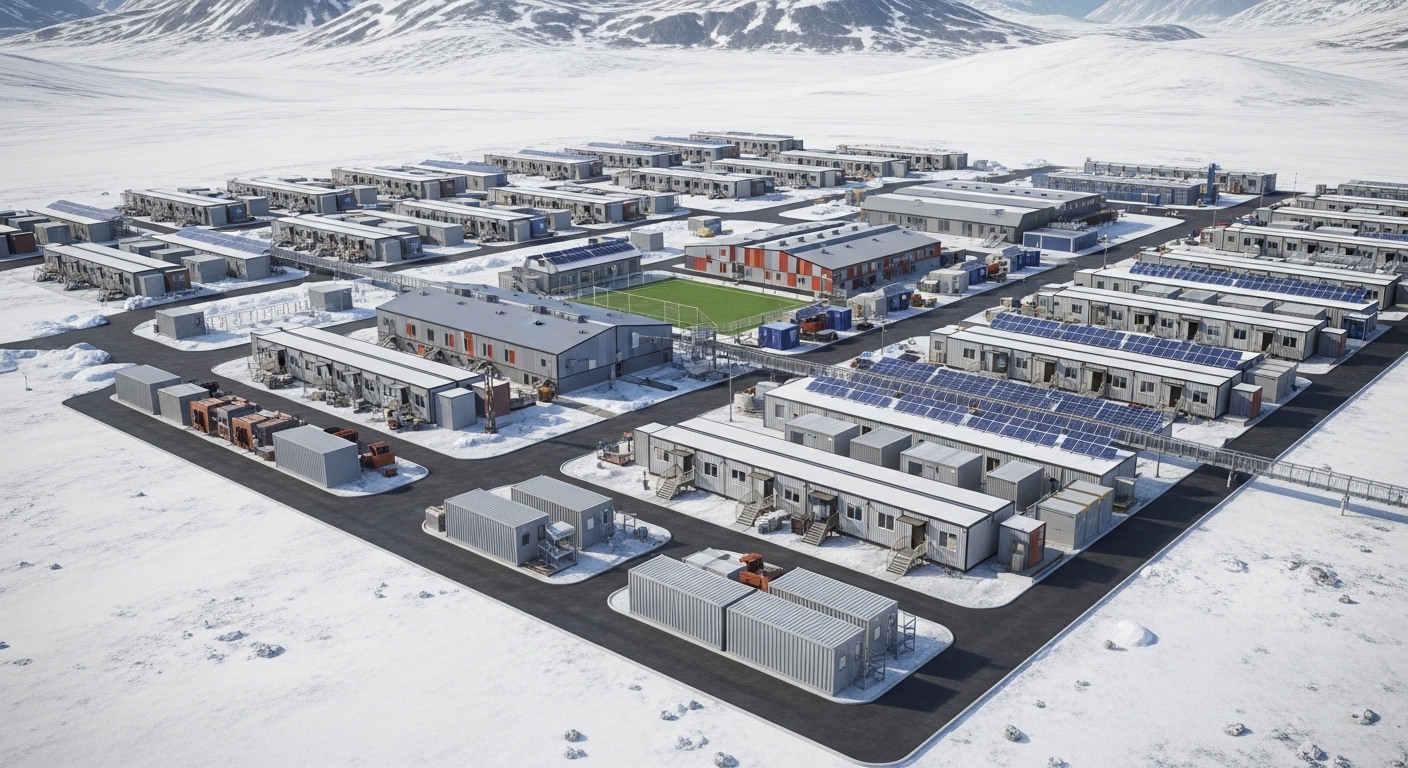
The Future of Remote Housing: Smart Modular Cities for the Alaska Energy Corridor

2026-03-13T11:12:02+03:00

The Future of Remote Housing: Smart Modular Cities for the Alaska Energy Corridor Alaska’s expanding energy corridor, driven by large-scale LNG developments, pipeline infrastructure, mining operations, and renewable energy initiatives, is creating an unprecedented demand for remote workforce accommodation. Unlike traditional temporary camps used in earlier industrial projects, the next generation of workforce housing must function as highly efficient, technologically integrated communities capable of supporting thousands of workers over extended project timelines. These emerging settlements are increasingly referred to as smart modular cities: scalable, digitally managed, and energy-efficient modular infrastructures designed for remote industrial environments. In Alaska, where logistics, more..

The Future of Remote Housing: Smart Modular Cities for the Alaska Energy Corridor2026-03-13T11:12:02+03:00

Streamlining Workforce Logistics for the Alaska LNG Pipeline: A Turnkey Approach

2026-03-13T09:35:13+03:00

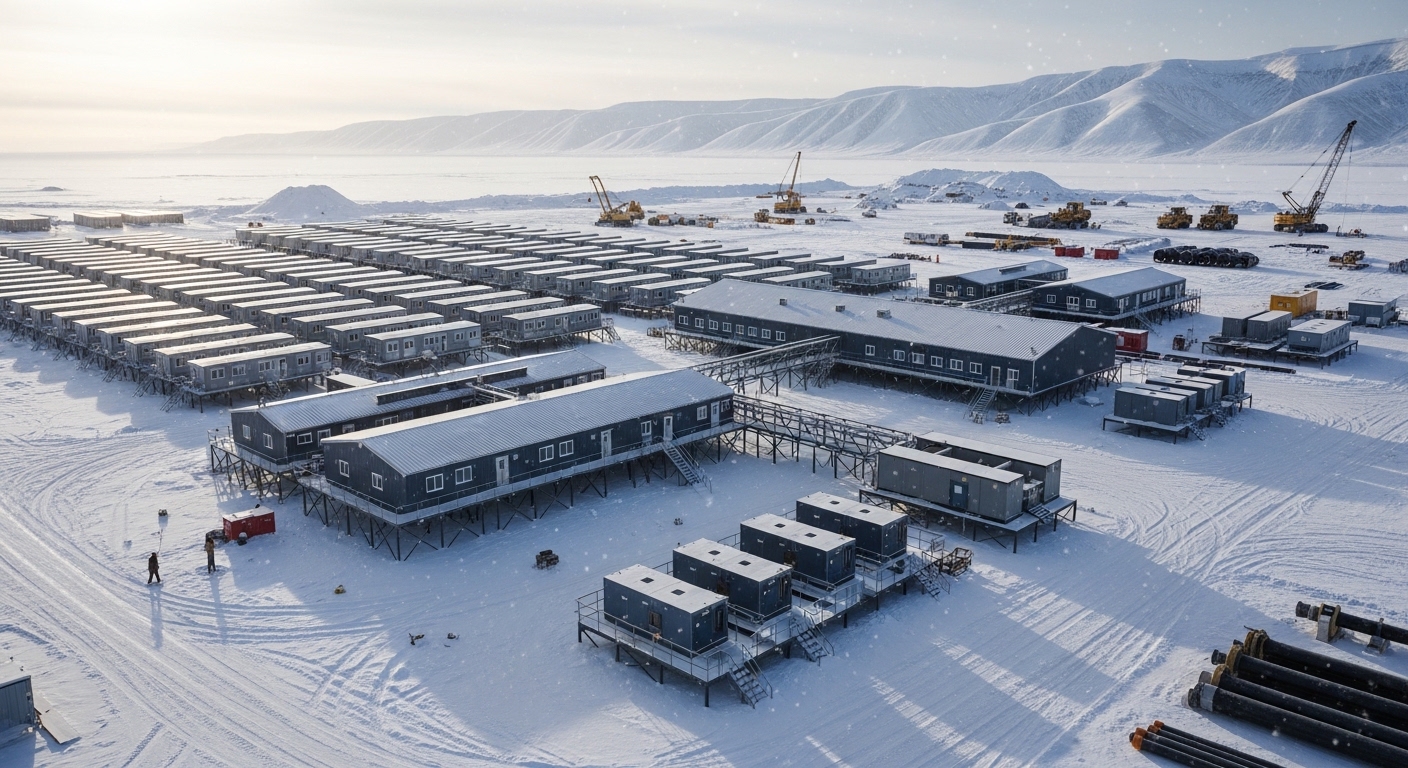
Streamlining Workforce Logistics for the Alaska LNG Pipeline: A Turnkey Approach The Alaska LNG Pipeline represents one of the most complex workforce mobilization challenges in modern energy infrastructure. Stretching across approximately 800 miles from the North Slope gas fields to southern liquefaction facilities, the project requires thousands of workers operating simultaneously across remote construction spreads. Managing workforce logistics at this scale is not simply a housing challenge. It is an integrated system involving accommodation, transportation, utilities, supply chains, safety, and operational coordination. In remote Arctic environments where temperatures can fall below −40°C and construction windows are limited, efficient workforce more..

Streamlining Workforce Logistics for the Alaska LNG Pipeline: A Turnkey Approach2026-03-13T09:35:13+03:00
Go to Top