
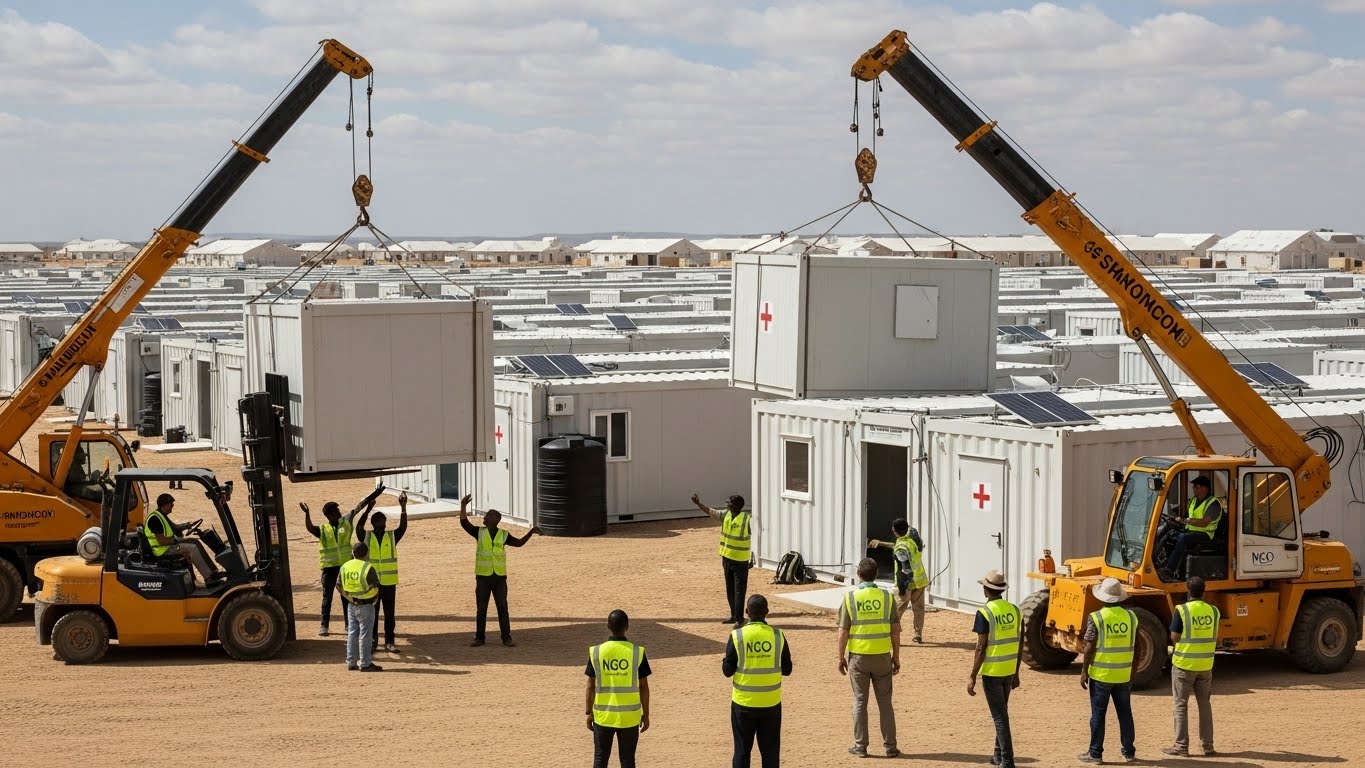
Why Leading NGOs Trust Dorce for Rapid Camp Deployment Globally

2025-12-26T09:08:59+03:00

Why Leading NGOs Trust Dorce for Rapid Camp Deployment Globally Humanitarian organizations operating in crisis environments face a constant balance between urgency, accountability, and long term impact. Whether responding to natural disasters, armed conflicts, or large scale displacement, NGOs must deliver safe and functional camps under extreme time pressure and complex logistical constraints. In this context, trust is built through proven performance. Leading NGOs rely on Dorce because rapid deployment is not treated as a shortcut, but as a disciplined, engineered, and repeatable process that performs consistently across different geographies and crisis scenarios. What makes rapid camp deployment critical more..
Why Leading NGOs Trust Dorce for Rapid Camp Deployment Globally2025-12-26T09:08:59+03:00

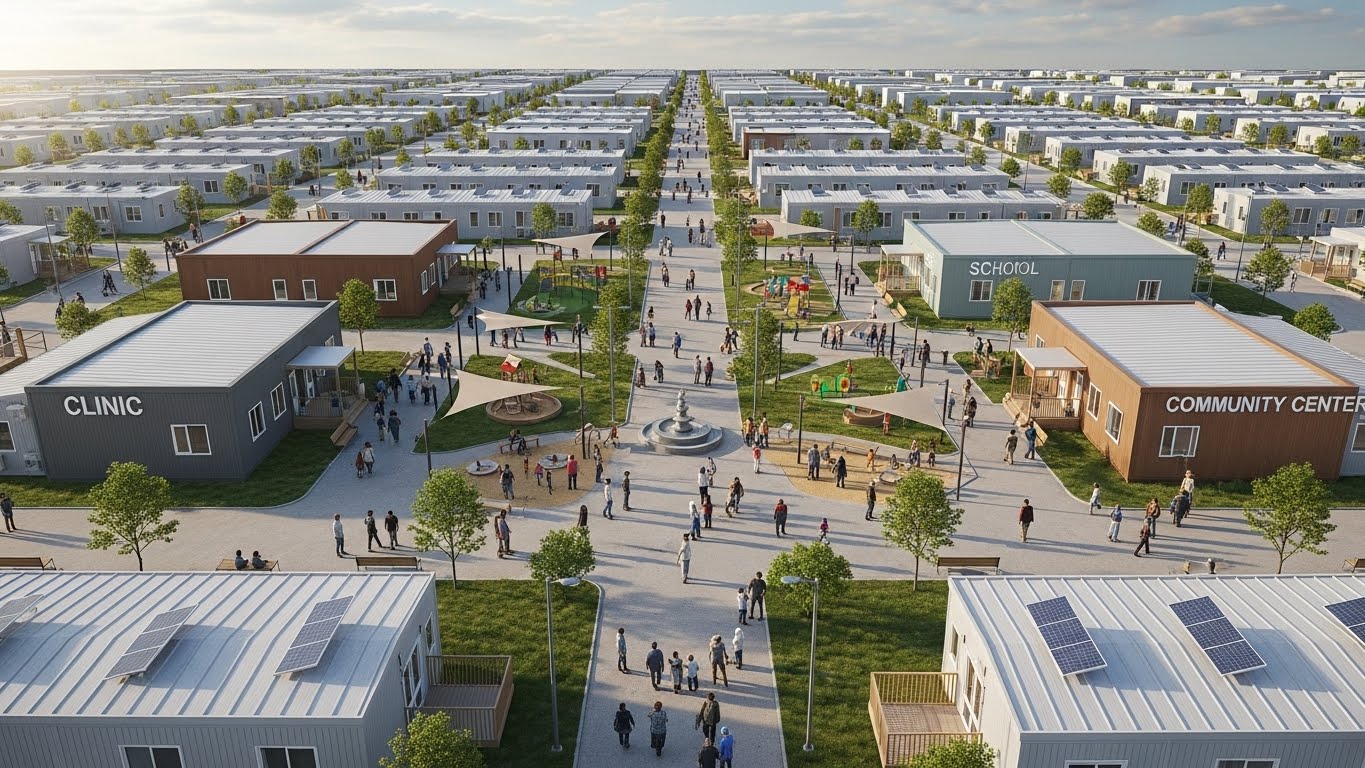
Integrated Facilities for Refugee Camps: Clinics, Schools, and Housing

2025-12-19T17:35:12+03:00

Integrated Facilities for Refugee Camps: Clinics, Schools, and Housing What Are Integrated Facilities for Refugee Camps? Integrated facilities for refugee camps are modular building systems designed to operate together as a complete settlement. Instead of isolated structures, housing units, healthcare facilities, educational buildings, administrative offices, and support infrastructure are planned and delivered as a unified system. These facilities are manufactured offsite in controlled factory environments using steel based modular and prefabricated construction technologies. Once transported to site, buildings are assembled quickly with minimal disruption. This approach ensures consistent quality, coordinated functionality, and compliance with international safety and performance standards more..

Integrated Facilities for Refugee Camps: Clinics, Schools, and Housing2025-12-19T17:35:12+03:00

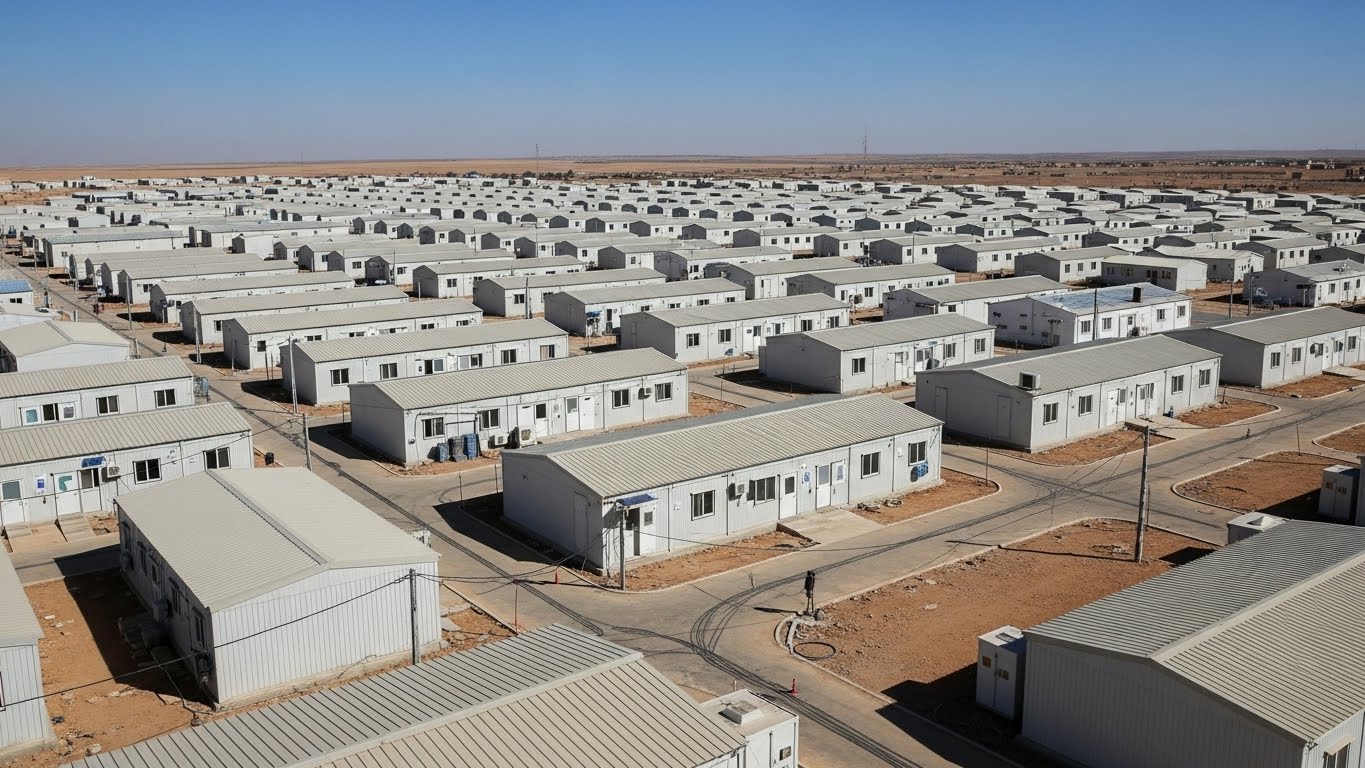
The Future of Humanitarian Aid: The Role of Modular Construction in Crisis Management

2025-12-16T15:08:18+03:00

The Future of Humanitarian Aid: The Role of Modular Construction in Crisis Management Humanitarian aid is undergoing a fundamental transformation. Prolonged conflicts, climate related disasters, mass displacement, and fragile infrastructure are pushing response systems beyond short term emergency models. Today’s crises demand solutions that are not only fast but also scalable, durable, and capable of supporting communities for months or even years. In this evolving landscape, modular construction is emerging as one of the most influential tools shaping the future of crisis management, redefining how shelter, healthcare, education, and life support infrastructure are delivered. Unlike traditional emergency responses that more..

The Future of Humanitarian Aid: The Role of Modular Construction in Crisis Management2025-12-16T15:08:18+03:00
Go to Top