
The Role of BIM (Building Information Modeling) in Optimizing Modular Construction Projects
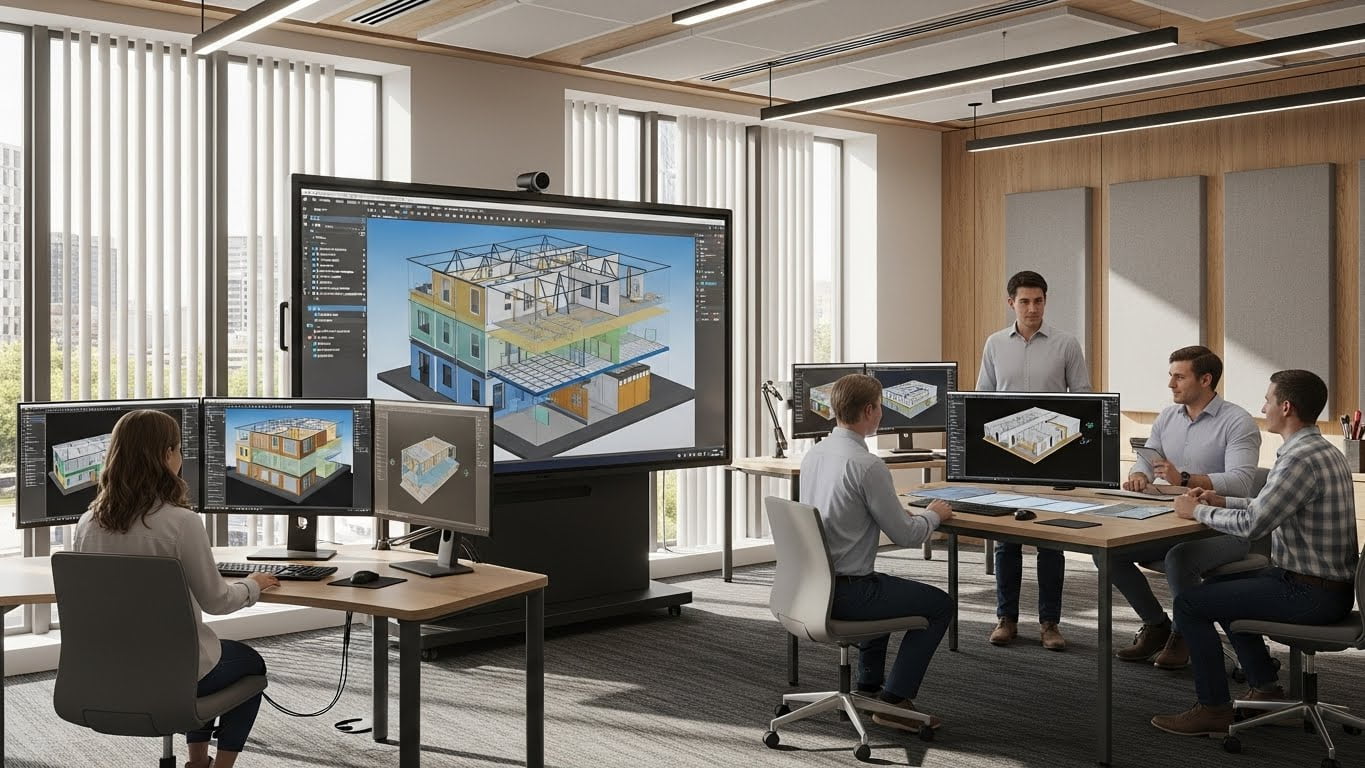
Building Information Modeling (BIM) has become one of the most transformative digital tools driving the industrialization of construction. As modular and off site manufacturing accelerate globally, BIM provides the digital foundation required to design, coordinate, fabricate and assemble building components with the precision of advanced manufacturing. Modular construction relies on standardized components, controlled factory workflows, and highly accurate installation sequences, all of which depend on the rich, data driven environment that BIM enables. The result is a dramatic increase in efficiency, predictability and quality across every phase of a modular project’s lifecycle.
In modular construction, the building is no longer a one-time prototype built entirely on site. It is a product manufactured through repeatable processes. BIM becomes the central system ensuring that modules, panels, MEP racks, façade elements and technical units are dimensionally exact, clash free, fully coordinated and ready for fabrication. This makes BIM indispensable for achieving modern modular construction performance targets.
What Is the Role of BIM in Modular Construction?
At its core, BIM provides a digital representation of the physical and functional characteristics of a building. In modular projects, BIM serves as the master platform through which architects, engineers, fabricators, logistics planners and site teams collaborate. It ensures that every module fits perfectly with every other component, that mechanical and electrical systems connect seamlessly, and that manufacturing processes are aligned with design intent.
Unlike traditional construction, where many decisions are resolved on site, modular construction requires decisions to be finalized early so factory production can proceed without errors. BIM enables this early decision making by providing a complete, integrated and data rich model.
How BIM Optimizes Modular Construction
Enhanced Design Coordination
Modular buildings are complex assemblies of structural frames, MEP systems, architectural finishes and factory installed components. BIM:
• Eliminates design clashes before fabrication
• Ensures structural and MEP systems align perfectly across modules
• Standardizes dimensions, grids and interface details
• Reduces costly rework and delays during production and installation
Accurate coordination is essential because once modules enter production, errors become significantly more expensive.
DfMA Integration (Design for Manufacture and Assembly)
DfMA is the backbone of efficient modular construction. BIM supports DfMA by:
• Creating digital rules and constraints that guide manufacturability
• Optimizing structural profiles, materials and production sequences
• Embedding factory tolerances, assembly logic and connection details
• Automating repetitive design tasks for standardized modules
This ensures that what is designed can be manufactured and assembled efficiently in both factory and site conditions.
Precision in Fabrication
BIM outputs directly feed CNC machinery, automated welding lines and panel fabrication systems. This digital continuity enables:
• Exact cutting of steel, timber and panels
• Automated extraction of shop drawings and material lists
• Consistent production of repeatable module families
• Higher dimensional accuracy than site based construction
Factories depend on this precision to maintain consistent quality across thousands of components.
Efficient Logistics and Sequencing
Modular construction requires sophisticated logistics planning due to oversized loads, transport routes, lifting strategies and installation sequencing. BIM supports:
• 4D simulation of module installation
• Crane path analysis and movement coordination
• Optimization of transport packing and load distribution
• Just in time delivery planning for urban or remote sites
These capabilities dramatically improve schedule predictability and reduce onsite congestion.
Improved Construction Safety
Safety risks decrease significantly when modules are fully assembled. BIM contributes by:
• Identifying hazardous interfaces in early design stages
• Simulating installation operations to avoid risky maneuvers
• Reducing on site labour exposure through precise prefabrication
• Ensuring compliance with safety codes and fire performance criteria
By validating assembly sequences digitally, BIM reduces unexpected risks during installation.
Lifecycle and Facilities Management
Once the building is operational, BIM serves as a digital twin for ongoing maintenance. Modular buildings benefit from:
• As built 3D models linked to maintenance records
• Accurate asset tagging and serial numbers for factory installed equipment
• Predictive maintenance planning through integrated data
• Faster upgrades or reconfiguration of modular units
Lifecycle efficiency becomes especially valuable for large scale worker camps, healthcare facilities, educational campuses and industrial buildings.
Usage Areas
BIM driven modular construction is widely used across sectors requiring speed, precision and operational reliability:
• Residential and mixed use modular buildings
• Healthcare facilities, field hospitals and diagnostic units
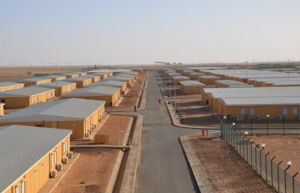
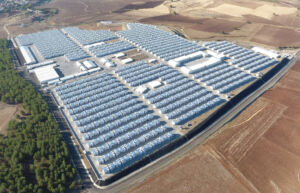
• Workforce camps and turnkey accommodation complexes
• Data centers, power units and industrial technical buildings
• Hotels, student residences and high density living projects
• Education facilities with repeatable classroom modules
• Energy sector infrastructure including BESS enclosures and inverter stations
Each sector benefits from BIM’s ability to reduce risk while maximizing manufacturing efficiency.
Dorçe’s Difference
Dorçe Prefabricated and Construction integrates BIM and DfMA at the core of its modular construction methodology. As one of the global leaders in industrialized off site construction, Dorçe uses BIM to streamline every project phase from concept design to logistics and final commissioning.
Key strengths include:
• Full BIM integration across architectural, structural and MEP disciplines
• DfMA driven design workflows aligned with factory capabilities
• Automated material extraction and shop drawing generation
• 4D sequencing and installation planning for large remote camps
• Digital twin creation for lifecycle maintenance and asset management
• High fidelity clash detection ensuring error free manufacturing
• Seamless collaboration across international project teams
Through these capabilities, Dorçe delivers high quality modular buildings with accuracy, speed and sustainability, even in the world’s most challenging environments.
BIM has become the digital backbone that enables modular construction to function as a true manufacturing process rather than a traditional construction workflow. As demand for industrialized construction accelerates globally, BIM will continue to be the key technology driving the next generation of modular innovation, efficiency and scalability.