
The Role of Modular Construction in Reducing Carbon Footprints for Arctic Oil Projects
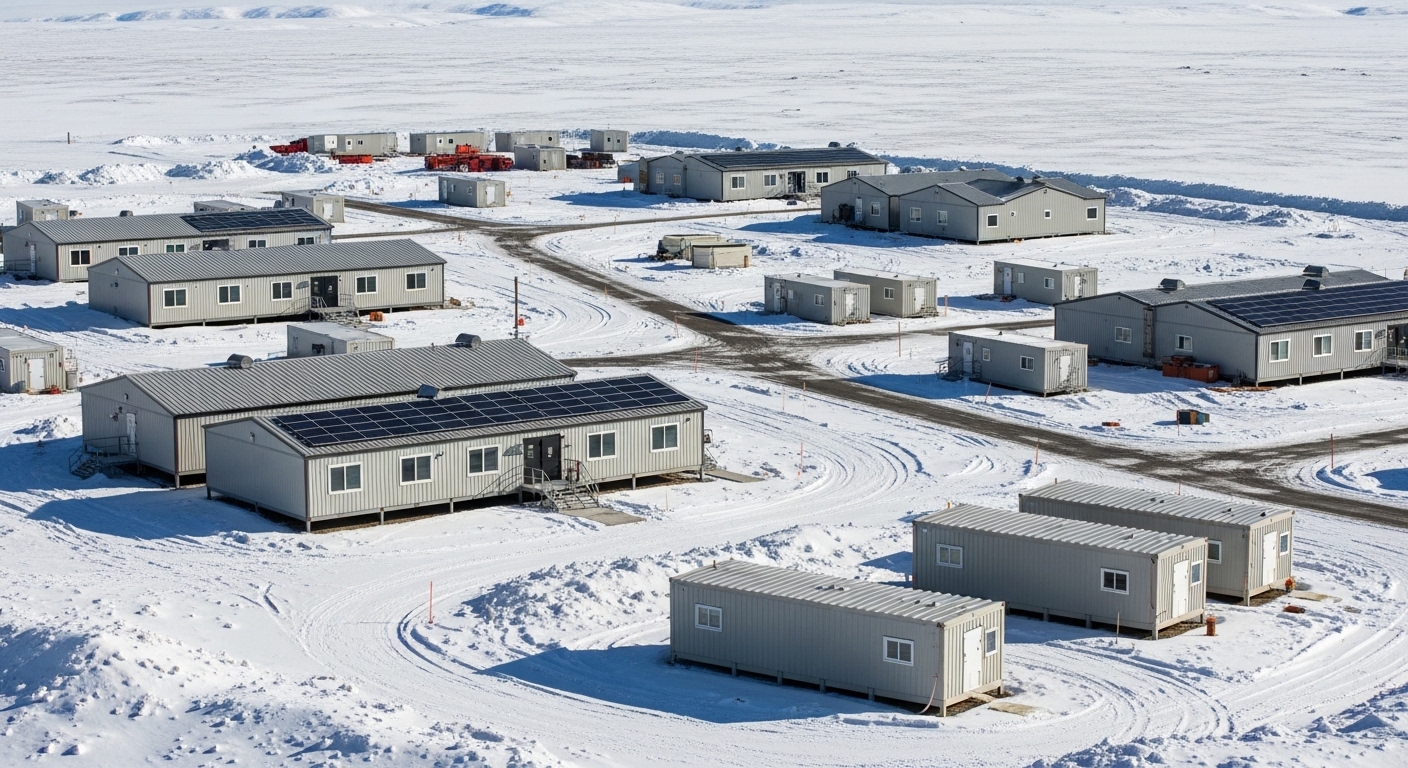
Oil and gas development in Arctic regions presents unique environmental challenges. Operations on Alaska’s North Slope and similar high-latitude environments require infrastructure capable of supporting large workforces and complex industrial activity while minimizing ecological impact. In recent years, environmental performance and carbon reduction have become increasingly important considerations for energy companies, investors, and regulators. As a result, project developers are seeking construction methods that reduce emissions, improve efficiency, and align with broader sustainability and ESG targets.
Modular construction has emerged as an effective strategy for reducing the carbon footprint of large Arctic oil projects. By shifting much of the building process from remote field locations to controlled manufacturing environments, modular systems reduce waste, optimize transportation logistics, and improve energy efficiency across the entire construction lifecycle.
What is Modular Construction in Arctic Energy Infrastructure
Modular construction is a building approach in which structural components or entire building modules are manufactured in factory environments and transported to the project site for assembly. Instead of performing all construction activities in remote locations, large portions of the building process are completed off-site.
In Arctic oil developments, modular construction is commonly used to deliver infrastructure such as:
• Workforce accommodation buildings
• Life Support Areas serving large project populations
• Operational offices and administrative facilities
• Medical clinics and welfare infrastructure
• Utility buildings supporting power and water systems
Because modules arrive at the project site largely complete, installation timelines are significantly shorter and on-site construction activity is minimized.
Advantages
Modular construction provides several environmental and operational benefits that contribute to reducing the carbon footprint of Arctic oil projects.
• Reduced construction waste
Factory production allows materials to be cut, measured, and assembled with much higher precision than traditional construction. This significantly reduces material waste generated during building production.
• Lower transportation emissions
Prefabricated modules consolidate building components into transportable units, reducing the number of deliveries required to remote sites. Fewer shipments translate directly into lower fuel consumption and reduced transportation emissions.
• Shorter construction timelines
Parallel workflows allow modules to be manufactured while site preparation takes place. Faster construction reduces the amount of time heavy equipment and generators must operate in remote locations.
• Improved energy efficiency
Factory-controlled production allows for tighter construction tolerances, better insulation installation, and more consistent building envelope performance. These improvements reduce heating energy demand in extremely cold climates.
• Reduced site disturbance
Less on-site construction activity means fewer heavy machines operating on fragile tundra landscapes, reducing environmental impact and helping preserve Arctic ecosystems.
• Reusable infrastructure
Many modular buildings can be relocated, reconfigured, or reused for future projects, reducing the need for new material production and lowering long-term carbon impact.
These advantages make modular construction a valuable tool for energy companies seeking to balance operational efficiency with environmental responsibility.
Usage Areas
Modular construction systems that reduce carbon footprints are used across a wide range of Arctic industrial applications.
Typical applications include:
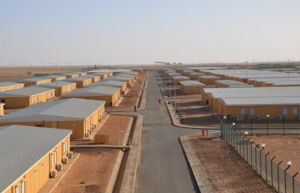
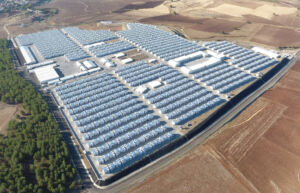
• Workforce accommodation settlements supporting oil field operations
• Modular Life Support Areas serving large construction teams
• Administrative and operational offices for remote drilling projects
• Technical support buildings and maintenance facilities
• Infrastructure supporting pipeline and energy corridor construction
Because these facilities often remain in operation for many years, improving their energy performance can significantly reduce long-term emissions associated with heating, electricity generation, and transportation.
Dorçe Prefabrik develops modular infrastructure solutions that support both operational performance and environmental responsibility in challenging project environments. Through advanced prefabricated steel construction technologies, integrated engineering capabilities, and turnkey EPC project delivery, Dorçe designs modular workforce accommodation and operational facilities optimized for efficiency, durability, and reduced environmental impact. By combining factory-based production, efficient logistics planning, and rapid installation methods, Dorçe helps energy projects deploy reliable infrastructure while minimizing construction-related emissions and disturbance to sensitive Arctic environments.
Tags
Tags