
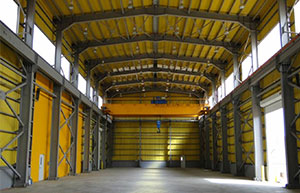
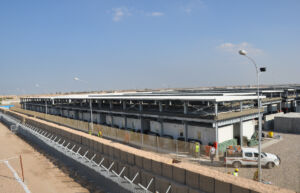
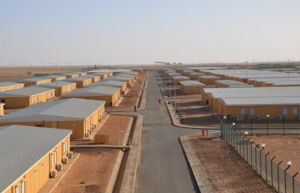
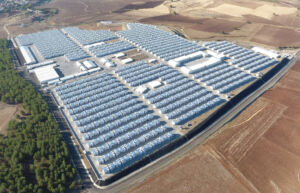
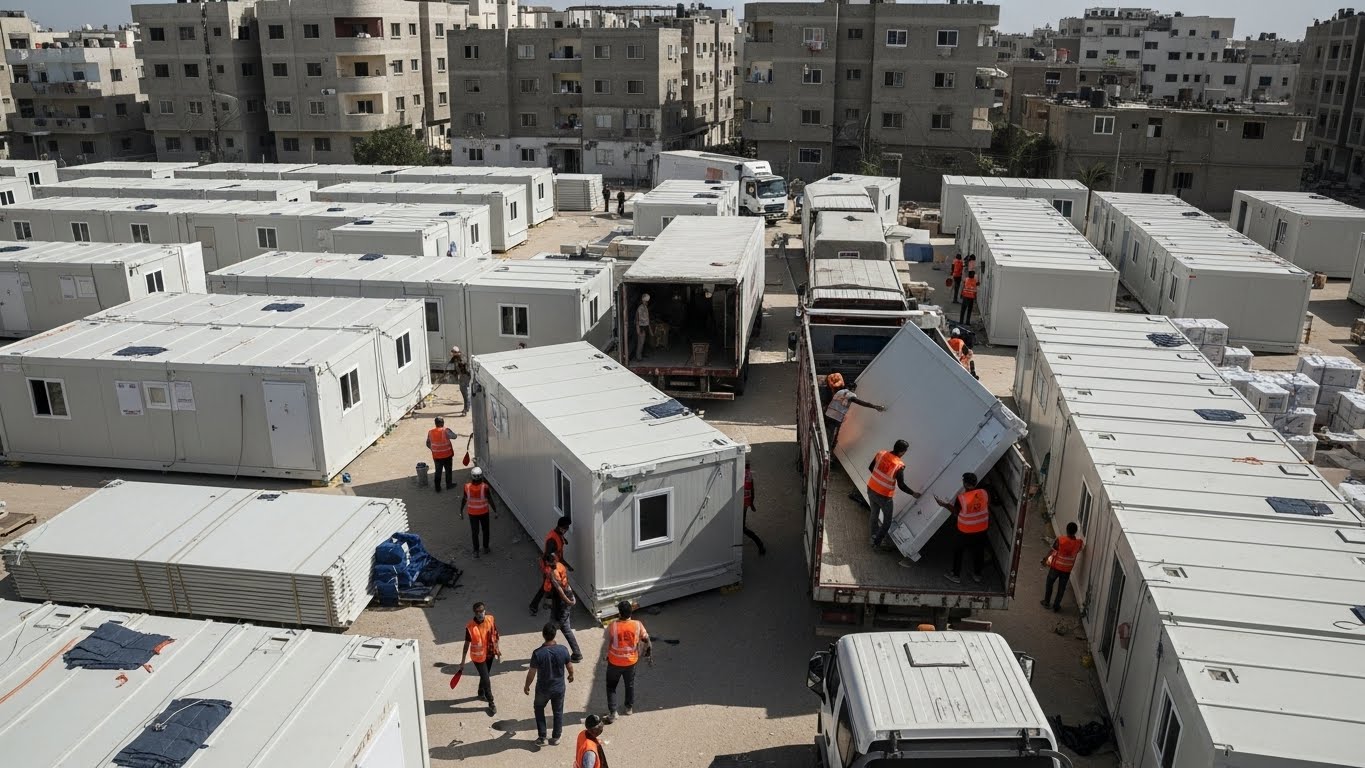
In Gaza, the shelter challenge is defined by urgency and constraints. High density, damaged infrastructure, limited entry points, and operational uncertainty make conventional construction impractical for immediate humanitarian response. Effective shelter solutions must arrive fast, deploy safely with minimal site complexity, and sustain continuous use under tough conditions. Modular and prefabricated shelter systems provide a proven pathway to deliver scale, consistency, and predictable performance when time and access are limited.
What is urgent humanitarian shelter in Gaza?
Urgent humanitarian shelter refers to rapidly deployable living units and support modules designed to protect displaced families from weather exposure while maintaining basic safety, privacy, and hygiene readiness. In Gaza, urgency is shaped by restricted logistics corridors, limited handling equipment availability, and the need to install shelters quickly without long on-site construction cycles.
Modern humanitarian shelter should not be treated as disposable. When displacement extends for months or longer, shelters must perform as transitional housing, meaning engineered structural stability, insulation appropriate to climate conditions, and compatibility with essential camp infrastructure such as water, sanitation, and power distribution.
Advantages
Speed of deployment is the first requirement. Off-site manufacturing enables parallel progress, where shelter units are produced while sites are cleared, graded, and prepared for utility connections. This reduces total time to occupancy.
Logistics efficiency is decisive. Flat pack systems and transport optimized modular formats maximize payload per truck or container, reducing the number of shipments needed and accelerating on-the-ground distribution once materials enter the area.
Safety and repeatability improve with standardized assemblies. Pre-engineered components and documented installation sequences reduce on-site improvisation, lowering safety risks and minimizing errors that can compromise structural performance.
Durability supports prolonged use. Steel-based frames, protected exterior skins, and engineered connections withstand intensive occupancy and environmental exposure better than short life solutions, reducing replacement cycles and operational disruption.
Quality consistency is easier to maintain. Factory controlled production delivers predictable insulation placement, airtightness, and component compatibility across large volumes, which is critical when thousands of units must perform similarly.
Scalability supports phased response. Shelter blocks can expand in planned increments, allowing humanitarian actors to grow settlements without breaking infrastructure logic or circulation patterns.
Usage areas
Urgent shelter solutions in Gaza are typically deployed across multiple humanitarian functions.
Family shelter and transitional housing clusters
Emergency reception and staging areas for displaced populations
Accommodation zones for medical and humanitarian staff
Integrated settlement blocks paired with sanitation, laundry, and kitchen modules
Temporary living areas supporting early recovery and stabilization programs
In all cases, the most effective deployments treat shelters and infrastructure as a single integrated system rather than separate deliveries.
Dorce’s Difference
Dorce delivers urgent humanitarian shelter through a logistics-led, standards-driven modular approach that prioritizes rapid deployment without sacrificing safety or long term usability. Shelter systems are engineered for transport efficiency and fast assembly, with formats selected to match access constraints and handling capacity. Off-site production enables consistent quality control, traceable materials, and predictable performance across large volumes. Dorce also plans shelters alongside essential support modules such as sanitation units, kitchens, clinics, and technical infrastructure, enabling settlements to become operational quickly and remain stable as needs evolve.