
Winterization Excellence: How Dorçe Modular Systems Stand Up to Alaska’s Harshest Winters
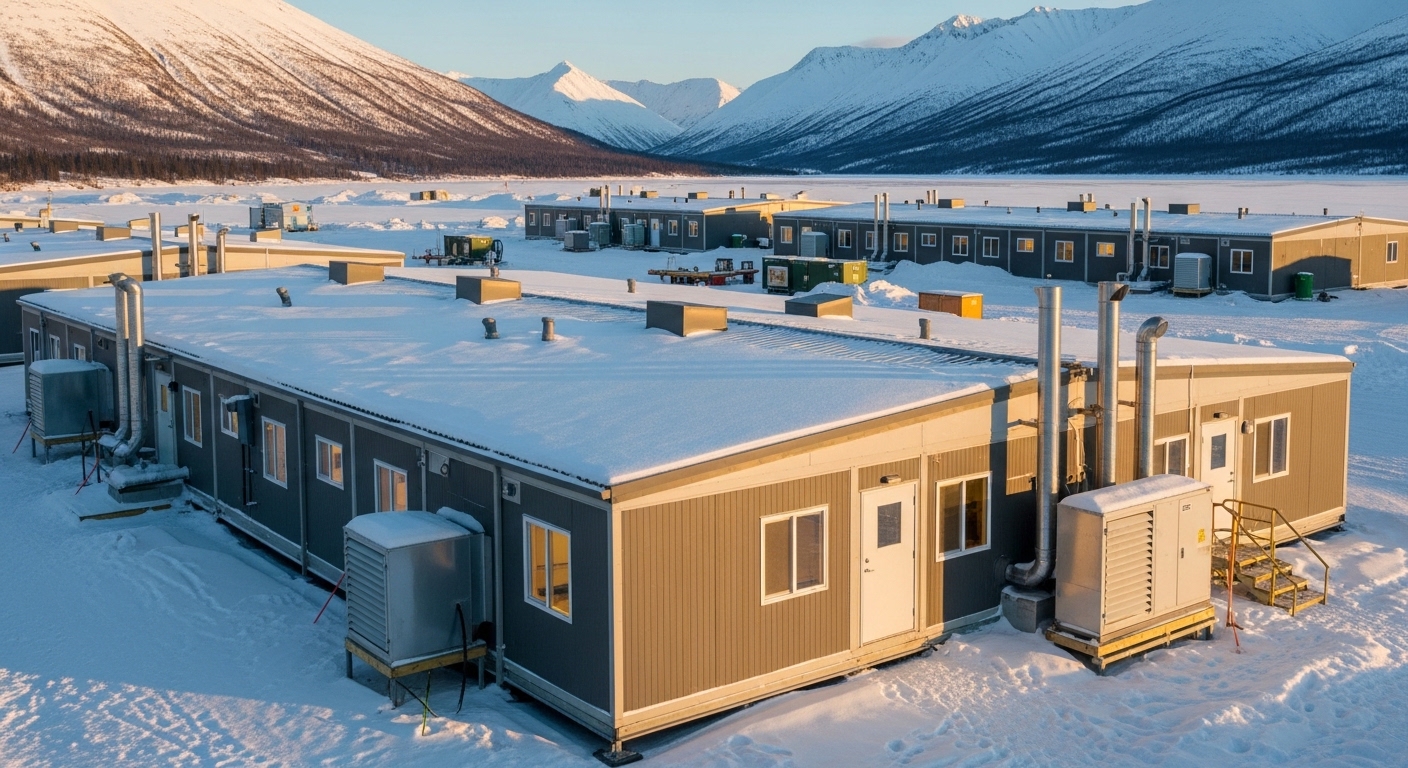
Alaska’s remote energy, mining, and infrastructure projects operate in one of the most demanding climates on earth. Winter temperatures in many regions regularly fall below –40°C, while strong winds, heavy snowfall, and extended periods of darkness place extreme stress on buildings and infrastructure. In these environments, workforce accommodation systems must be engineered not only for speed of deployment but also for long-term resilience. Modular construction, when designed specifically for Arctic conditions, provides a highly reliable solution for maintaining safe and comfortable living and working environments throughout Alaska’s harshest winters.
Dorçe modular systems are developed with winterization as a core engineering principle. By integrating high-performance insulation, robust structural systems, advanced HVAC technologies, and climate-adapted construction methods, these modular buildings ensure reliable operation in extreme cold climates.
The Environmental Challenges of Alaska’s Winter Climate
Alaska’s winter environment presents several technical challenges that directly affect building performance and workforce comfort. Construction systems deployed in these regions must account for:
• Extreme low temperatures reaching –40°C or lower
• High snow loads on roofs and structures
• Strong winds and blizzard conditions
• Permafrost-sensitive ground conditions
• Limited daylight and extended winter darkness
• High heating demand over long winter seasons
Without proper winterization design, buildings may experience heat loss, condensation problems, structural stress, and high energy consumption.
High-Performance Building Envelope Engineering
The most important element in winterized modular construction is the building envelope. A high-performance envelope minimizes heat loss and maintains stable indoor temperatures despite extreme outdoor conditions.
Dorçe modular systems incorporate advanced envelope technologies such as:
• Insulated sandwich panel wall systems with high thermal resistance
• Multi-layer roof insulation engineered for heavy snow loads
• Thermally broken door and window systems
• Airtight construction methods that prevent uncontrolled air infiltration
• Vapor barrier systems designed to prevent condensation inside wall assemblies
These design strategies significantly reduce heating demand while improving indoor comfort for workers living in remote camps.
Structural Design for Snow and Wind Loads
Buildings deployed in Arctic environments must withstand heavy snow accumulation and strong winter winds. Structural engineering therefore plays a critical role in modular building reliability.
Dorçe modular structures are designed with:
• Reinforced steel structural frames
• Roof systems engineered for heavy snow load capacity
• Wind-resistant structural bracing systems
• Durable exterior cladding materials suitable for cold climates
These features ensure that buildings remain structurally stable and safe even during severe winter storms.
Advanced HVAC Systems for Extreme Cold
Heating, ventilation, and air conditioning systems must be carefully engineered for Arctic environments. Standard building systems designed for moderate climates are not sufficient for Alaska’s winter conditions.
Effective winterized modular camps integrate:
• High-efficiency heating systems capable of operating at very low temperatures
• Heat recovery ventilation systems that conserve energy while maintaining fresh air circulation
• Zoned heating controls for efficient energy management
• Redundant heating systems to ensure operational continuity
By optimizing HVAC performance, modular camps can maintain comfortable indoor conditions while minimizing fuel consumption.
Thermal Bridging and Condensation Control
Cold climates create significant risks for thermal bridging and moisture accumulation inside building assemblies. Poorly designed buildings can suffer from condensation, ice formation, and long-term structural damage.
Dorçe modular systems address these challenges through:
• Continuous insulation strategies that minimize thermal bridges
• High-performance wall and roof assemblies
• Controlled ventilation and humidity management systems
• Carefully engineered vapor barrier placement
These measures protect building durability while ensuring a healthy indoor environment.
Foundation and Ground Interface Solutions
In many regions of Alaska, construction takes place on permafrost or sensitive soils that require specialized foundation strategies.
Winterized modular buildings often use:
• Elevated structural foundations that protect permafrost conditions
• Adjustable foundation systems suitable for uneven terrain
• Minimal ground disturbance installation methods
Because modular buildings require less on-site construction, they reduce environmental impact and allow for more efficient installation in difficult terrain.
Energy Efficiency and Operational Sustainability
Heating energy consumption represents one of the largest operational costs for remote camps in Alaska. Improving building efficiency can significantly reduce long-term operating expenses.
Energy-efficient modular camps typically include:
• High insulation values across building envelopes
• Energy-efficient windows and doors
• Smart energy monitoring and load management systems
• Efficient heating and ventilation systems
Reducing energy demand not only lowers operational costs but also supports environmental and ESG performance objectives.
Reliability in Remote Operations
Remote energy and mining projects cannot afford infrastructure failures during winter months. Camp buildings must remain operational regardless of weather conditions.
Modular winterized construction supports reliability through:
• Factory-controlled manufacturing that ensures consistent quality
• Reduced construction errors compared to site-built structures
• Faster installation timelines that limit exposure to harsh weather
• Integrated building systems designed for long-term durability
These advantages make modular construction particularly suitable for remote Arctic environments.
Worker Comfort and Well-Being
Beyond technical performance, workforce accommodation must support worker comfort and well-being. Personnel working in remote environments often spend extended periods living in camp facilities.
Winterized modular accommodation systems provide:
• Stable indoor temperatures
• Effective ventilation and indoor air quality
• Comfortable sleeping and living spaces
• Reduced noise and thermal discomfort
These factors contribute directly to worker productivity, morale, and safety.
Dorçe Prefabrik Capabilities for Arctic-Grade Modular Infrastructure
Dorçe Prefabrik combines engineering expertise, industrial manufacturing capacity, and international project experience to deliver modular construction solutions for extreme environments. The company’s approach focuses on integrating structural engineering, building envelope performance, and energy-efficient systems into fully deployable modular infrastructure.
Dorçe capabilities relevant to Arctic conditions include:
• Prefabricated modular workforce accommodation systems
• Integrated Life Support Areas supporting remote industrial projects
• Heavy and light steel modular construction technologies
• Factory-based production ensuring consistent quality
• Turnkey EPC delivery including design, manufacturing, logistics, and installation
These capabilities enable reliable modular infrastructure solutions for remote energy and mining projects operating in harsh winter climates.
Operating successfully in Alaska’s extreme winter conditions requires construction systems designed specifically for Arctic environments. Modular construction provides a practical solution by combining high-performance building envelopes, resilient structural systems, and energy-efficient technologies within rapidly deployable prefabricated structures. Through advanced winterization engineering and integrated project delivery, Dorçe Prefabrik delivers modular infrastructure capable of maintaining reliable operations and comfortable living environments even during the harshest Alaskan winters.
Tags
Tags